By 2026, the financial impact of skin infections and respiratory outbreaks in athletic facilities is projected to drive a massive shift toward automated hygiene technology. Proper Locker Room Decontamination is no longer a secondary concern for equipment managers, but a primary pillar of player availability and asset protection. This article examines how advanced disinfection protocols safeguard athletes and extend the operational life of expensive protective gear.
Locker Room Decontamination: Protecting Athletes
Locker room decontamination is the systematic removal of pathogenic threats from both the environment and the specialized equipment used by athletes. It goes beyond the basic aesthetic cleaning that removes visible dirt or mud. This process involves the reduction of colony forming units (CFU) on surfaces that come into direct contact with skin. For athletic directors and facility managers, this means implementing a protocol that addresses the microscopic reality of the environment.
Defining Technical Hygiene Standards
The technical definition of decontamination in a sports setting involves three distinct levels: cleaning, sanitizing, and disinfecting. Cleaning is the physical removal of organic matter, such as sweat, skin cells, and oils, which act as a food source for bacteria. Sanitizing reduces the number of germs to a safe level, while disinfecting uses chemicals to kill pathogens on surfaces. To achieve true decontamination, a facility must address both hard surfaces like lockers and soft, porous materials like foam padding and jersey mesh.
Bio-burden and Colony Forming Units
In athletic environments, the bio-burden on equipment can reach alarming levels within a single practice session. Research into football protective equipment has shown that shoulder pad hard surfaces can harbor an average of 80 colony forming units (CFU) before any treatment is applied. Soft surfaces, such as the foam inside helmets, often show counts around 20 CFU. Without a consistent decontamination intervention, these numbers climb, creating a cumulative risk for every player who touches the gear. Reducing these counts to near zero is the technical goal of a high-performance safety program.
Pathogen Persistence on Porous Surfaces
Athletic gear is uniquely difficult to treat because it is composed of complex, layered materials. Pathogens like Staphylococcus aureus, commonly known as staph, are remarkably tenacious in these environments. Research confirms that staph can survive on sports equipment for up to 168 hours. This means a single contaminated helmet can remain a vector for infection for an entire week. The porous nature of padding allows bacteria to migrate deep into the equipment, where standard wipes cannot reach.
The Critical Stakes of Facility Safety
The stakes of Locker Room Decontamination are measured in both human health and organizational liability. When a facility fails to maintain a sterile environment, the mission readiness of the entire team is compromised. Infections like MRSA can spread rapidly through a locker room due to shared equipment and close physical contact. For professional and collegiate programs, a single outbreak can lead to the exclusion of multiple key players from competition, directly impacting the team’s success.
Protecting Athlete Health and Availability
Athlete availability is the most valuable currency in sports. Skin infections such as ringworm, staph, and MRSA are not just medical issues: they are operational failures that keep players off the field. A healthcare provider may exclude an athlete from activity if a wound cannot be properly covered or if the infection poses a broader risk to the team. By prioritizing decontamination, managers ensure that athletes remain healthy and eligible for play. This proactive approach reduces the risk of serious medical complications that can arise from untreated skin infections.
Asset Preservation and Equipment Lifespan
Beyond health, decontamination is a critical strategy for protecting the organization’s investment in gear. Sweat, body oils, and microbial growth are naturally corrosive to the plastics, foams, and fabrics used in high-end protective equipment. Accumulation of these substances leads to accelerated wear and tear, causing materials to become brittle or lose their impact-absorbing properties. Regular disinfection removes these corrosive elements, preventing the premature deterioration of gear. This extends the lifecycle of the equipment, saving the organization significant costs on frequent repairs or replacements.
Industry Obstacles in Modern Athletic Environments
Modern athletic programs operate at a high tempo that often clashes with traditional cleaning requirements. The transition from “game on” to the next practice requires a turnaround time that manual labor often cannot meet. This creates a gap where safety protocols are sacrificed for the sake of speed. Understanding these obstacles is the first step toward implementing a solution that fits the operational reality of the locker room.
The Operational Gap
The gap between recommended protocols and reality is often driven by the sheer volume of equipment that requires attention. In high-stakes environments like the NHL or collegiate football, equipment managers have shifted from weekly deep cleans to daily requirements. This increase in frequency places an immense burden on staff. When the workload exceeds the available man-hours, the quality of manual cleaning inevitably suffers. This leads to “hidden surfaces” being missed, leaving pockets of bacteria to multiply.
Staffing and Turnover Realities
Staff burnout is a significant risk in facility management. The manual process of wiping down every stall, handle, button, and piece of equipment is repetitive and physically demanding. In many youth and amateur programs, the responsibility falls on parents or volunteers who may not have the technical training to dilute chemicals or follow dwell time instructions correctly. When staff are rushed, they are more likely to bypass the manufacturers’ instructions. This can lead to the use of improper chemicals that might irritate the athletes’ skin or damage the equipment itself.
Rapid Turnaround Pressure
Athletic facilities are high-traffic zones with constant turnover. Gym equipment, for instance, acts as a breeding ground for germs because it is used by dozens of individuals in a single day. The pressure to keep machines available for the next member means that a quick wipe-down is often the only intervention. However, many disinfectants require a specific “dwell time” to be effective against pathogens like the flu or cold viruses. If the surface is dried or used before that time elapses, the disinfection remains incomplete, and the risk of transmission remains high.
Pathogen Resistance and Survival
The pathogens found in locker rooms are specifically adapted to survive in warm, moist environments. Bacteria and fungi thrive in the dark recesses of equipment bags and locker corners. Traditional cleaning methods often fail to keep up with the rate of reproduction of these organisms. This resistance is not just biological but environmental, as the structure of the equipment provides a shield for the bacteria.
Staph and MRSA Longevity
Methicillin-resistant Staphylococcus aureus (MRSA) is a primary concern for athletic directors because of its ability to cause serious skin and systemic infections. Because it can survive for a full week on surfaces, a locker room that is only deep-cleaned once a week is effectively contaminated for six out of seven days. The “silent threat” of MRSA is that it spreads through skin-to-skin contact and contaminated surfaces simultaneously. This dual-pathway transmission makes it one of the most difficult pathogens to control without a comprehensive decontamination strategy.
The Failure of Passive Protocols
Passive protocols rely on individual athletes to maintain their own hygiene and air out their gear. While removing skate insoles and using base layers can reduce moisture, these steps do not eliminate established bacterial colonies. Many programs rely on “fogging” or large-scale spraying, yet there is often little evidence that these methods, when used without a targeted approach, effectively prevent MRSA infections. The failure of these passive or poorly executed protocols creates a false sense of security while the bio-burden continues to grow.
Disinfection Strategies for Athletic Facilities
To combat these challenges, facility managers must move toward a strategy that balances manual efficacy with technological consistency. A layered defense is the most effective way to ensure that no surface is left untreated. This involves clear protocols for daily maintenance and the integration of high-level disinfection tools.
Manual Surface Protocols
Manual protocols remain the foundation of locker room hygiene, but they have clear limitations. For example, washing gear in hot water with bleach is effective for fabrics like jerseys and socks. However, helmets and skates cannot be thrown into a washing machine. For these items, manual wipes with alcohol pads are often used, specifically on high-contact areas like chinstraps. The strength of this method is the physical removal of soil, but the reality of human error means that complex geometries and internal padding are frequently overlooked.
Where AeroClave Fits into an Athletic Protection Plan
In an environment where timing is critical and the risk of infection is high, manual cleaning alone is insufficient. The high-tempo reality of sports requires a system that can treat entire volumes of space and complex gear simultaneously without the variability of human performance.
The operational pressure of a modern sports program means that equipment managers are often doing the work of three people. They are responsible for logistics, repair, and safety, often within a very narrow window of time between games or practices.
That is where AeroClave fits.
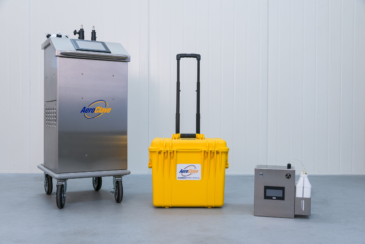
AeroClave provides a bridge between manual cleaning and total room sterilization. By automating the delivery of disinfectant, it removes the variability that comes with tired staff or rushed schedules. It ensures that every handle, grip, and piece of equipment in the room receives the same level of treatment, every time.
How AeroClave works in an Athletic environment
AeroClave treats the locker room as a complete system rather than a collection of individual surfaces. Using a proprietary process to aerosolize disinfectant, the system creates a fine mist that permeates the entire space. Unlike a manual wipe that only touches the “high spots,” this fog reaches into the porous padding of football shoulder pads and the deep recesses of hockey gloves. Our recommended EPA–registered disinfectants are effective against a broad spectrum of pathogens, including MRSA and staph, yet it is gentle enough for use on the sensitive materials found in athletic gear. This “room as a system” approach ensures that even the air and the “hidden” backs of lockers are decontaminated just as well as the bench is.
The Preferred Option for Athletic Performance Data
The shift toward AeroClave as the preferred option in the sports industry is driven by the need for repeatable results. In a professional or collegiate setting, “hoping” the equipment is clean is a significant liability. AeroClave systems provide a consistent application that does not vary based on the operator’s mood or fatigue level. This reliability is the cornerstone of a modern infection control plan, allowing athletic directors to focus on performance while the system manages the environment.
Why Athletic Teams Use AeroClave During Heavy Pathogen Activity
During periods of high pathogen activity, such as a flu outbreak or a cluster of MRSA cases, the pressure on a facility increases exponentially. Organizations integrate AeroClave into their response plans for five specific reasons:
- Standardization: Every locker, stall, and piece of gear receives the exact same concentration of disinfectant, eliminating the gaps inherent in manual wiping.
- Coverage: The aerosolized mist reaches shadowed areas and internal equipment cavities that are physically impossible to reach with a cloth or sponge.
- Speed: A single operator can treat an entire locker room in a fraction of the time it would take a full crew to manually scrub every surface.
- Compliance: The system ensures that the required dwell time for the disinfectant is met across all surfaces simultaneously, fulfilling EPA requirements for pathogen kill claims.
- Integration: The workflow is designed to fit into existing maintenance schedules without requiring the removal of equipment or complex room preparation.
What Success Looks Like: The 4-Step Decontamination Workflow
Success in Locker Room Decontamination is defined by a consistent, repeatable process. High-performance teams utilize a specific four-step workflow to ensure maximum efficacy and player safety:
- Clean First: Staff perform a basic physical cleaning to remove heavy soil, mud, and organic matter from equipment and floors.
- AeroClave Workflow: The system is positioned and activated to treat the room and all staged equipment with the aerosolized Vital Oxide mist.
- Label Basics: Once the cycle is complete and the surfaces are dry, equipment is inspected for damage or wear that could harbor future bacterial growth.
- Repeat: Use in the next room or after any exposure or suspected exposure occurs.
Effective decontamination is an operational necessity that directly impacts the bottom line of any athletic organization. To learn more about integrating these standards into your facility, contact our specialists through our operational inquiry form.
Conclusion: Locker Room Decontamination
In conclusion, implementing a rigorous Locker Room Decontamination protocol is the most effective way to prolong player longevity and protect the organization’s physical assets. By moving beyond the limitations of manual cleaning and embracing automated, system-wide disinfection, athletic programs can drastically reduce the CFUs on equipment and mitigate the risk of infectious outbreaks. This proactive approach ensures that athletes remain on the field, equipment maintains its integrity, and the facility operates at peak mission readiness.
Sign Up Below To Learn If AeroClave is Right For You
FAQs About Locker Room Decontamination
How does AeroClave help reduce MRSA risks in locker rooms?
AeroClave automates the delivery of EPA-registered disinfectants, throughout the entire locker room. Unlike manual cleaning, which often misses the porous padding of sports gear, the AeroClave mist penetrates these difficult areas to eliminate MRSA and other pathogens on contact.
How often should a professional locker room be decontaminated?
While traditional protocols suggest weekly cleaning, modern high-stakes environments often require daily decontamination during active seasons. High-frequency treatment ensures that the bio-burden does not reach dangerous levels between competitions.
Can athletes use the equipment immediately after an AeroClave cycle?
Once the cycle is complete and the required dwell time has been reached, the equipment is ready for use as soon as it is dry. The process does not leave behind harmful residues that could irritate an athlete’s skin.
Does AeroClave provide documentation for safety compliance?
The AeroClave RDS 6110 systems are designed to support facility managers with documentation. By providing a repeatable and logged disinfection process, organizations can maintain a clear record of their hygiene efforts for liability and safety audits.
Explore More Articles on Health and Safety
- Managing Facility Safety During a Legionnaires Disease Outbreak 2026
- The New Front Line: Managing the Nipah Virus Outbreak 2026
- How to Prevent HAI in Hospitals
- Stop the Spread of Whooping Cough (Pertussis)
- Comparing The Best Automated Disinfection Systems on the Market
- MDRO: What It Means, How It Spreads, and What You Can Do About It
- Stop a Kennel Cough Outbreak Before It Spreads
- Protect Yourself from Subclade K Flu (The Super Flu)
- Measles Outbreak 2026: What to Do, What to Watch For, and How to Stop the Spread
- Locker Room Fungus: How to Stop Athletes Foot and Ringworm
- Candida Auris and Its Impact on Patient Safety
- How Long Will Norovirus Last and Its Impact
- Hantavirus Signs and Symptoms: How to Spot This Rare but Serious Infection Early
- MRSA VRE: Protecting Yourself from Infections
- Florida legionnaires outbreak: What’s Happening in Orange County and What to Do Next
- How Contagious is Hand foot and mouth disease?
- Norovirus vs Food Poisoning: Treatment and Prevention
- Emerging Threat Prep: Why You Should Already Have a Protocol for Avian Flu
- How to Prevent the Spread of RSV
- The Superbug Showdown: How We Tackle MRSA and NDM-1 Klebsiella
- Beyond the “Stomach Bug”: Killing The Foodborne Pathogen Listeria in Your Facility
© 2026 AeroClave