
Recent data indicates that norovirus presence on high-touch surfaces can drop from 29% to just 9% when a facility implements strict daily disinfection protocols.(NIH) Learning how to disinfect a classroom has moved beyond a simple checklist for custodial staff and has become a core component of facility management and student safety. Effective infection control requires a technical understanding of the differences between cleaning, sanitizing, and disinfecting to prevent the spread of illness. This article explores the operational realities of maintaining a healthy educational environment while mitigating the risks associated with chemical exposure and pathogen persistence.
Understanding How to Disinfect a Classroom
Proper hygiene in an educational setting is a tiered process that requires different levels of intervention based on the specific activity and surface. While the terms are often used interchangeably, they represent distinct technical actions with varying outcomes for safety.
Defining the Cleanliness Spectrum
Maintaining a healthy classroom begins with understanding that not every mess requires a high-level chemical disinfectant. Overusing strong chemicals can lead to respiratory issues for students and staff, especially those with pre-existing conditions.
Cleaning vs. Sanitizing
Cleaning is the physical removal of dirt, debris, and impurities from surfaces using soap, water, and scrubbing. This process does not necessarily kill germs, but it physically lowers their numbers by washing them away. Sanitizing goes a step further by reducing the number of germs to a level considered safe by public health codes or regulations. In a school environment, sanitizing is typically reserved for food-service areas such as the cafeteria or kitchen.
The Goal of Disinfection
Disinfection is the process of using specialized chemicals to kill most germs on surfaces or objects. It is the only way to ensure that bacteria, fungi, and viruses like the flu or cold are actually destroyed. While cleaning removes the “gunk” that germs cling to, disinfection provides the terminal kill necessary to break the chain of infection. For disinfection to be successful, the surface must be cleaned of organic matter first to allow the chemical to contact the actual pathogens.
The Regulatory and Health Environment
Schools must operate under strict guidelines provided by health departments and federal agencies to ensure a safe learning environment. Compliance with these standards is essential for protecting the health of the community and maintaining the reputation of the facility.
CDC and Local Health Guidelines
The Centers for Disease Control and Prevention (CDC) emphasize that cleaning and disinfecting are part of a broad approach to preventing infectious diseases in schools. Local health departments may require specific protocols during outbreaks of norovirus or when student absenteeism reaches critical levels. Schools are often required to maintain a high level of hygiene in high-risk areas like the nurse’s office, bathrooms, and athletic facilities.
Safety Data Sheets and Chemical Compliance
Every chemical used in a school must have a corresponding Safety Data Sheet (SDS) that is accessible to all staff members. These documents provide critical information on the chemical composition, potential health hazards, and required personal protective equipment (PPE). Custodial teams must be trained on these documents to avoid dangerous errors, such as mixing bleach with ammonia. Such a mixture creates poisonous vapors that can result in serious injury or death in a confined classroom space.
The Stakes of Educational Hygiene
The stakes of maintaining a clean classroom are high, affecting everything from student performance to the long-term health of the facility staff. When disinfection protocols fail, the consequences are felt throughout the entire community.
Impact on Student and Staff Health
A healthy classroom is a productive classroom. When pathogens are allowed to spread unchecked, the resulting absenteeism can disrupt the entire educational mission.
Absenteeism and Productivity
Studies show that uncleaned classrooms result in students who are significantly more likely to be absent due to illness compared to those cleaned daily with a disinfectant. Higher absenteeism rates lead to lost instructional time and decreased student performance. Furthermore, staff burnout increases when teachers must constantly manage their own health risks while trying to fill the gaps left by absent colleagues.
Asthma and Respiratory Risks
Many common cleaning products and disinfectants contain quaternary ammonium compounds, often called “quats,” and fragrance chemicals. These ingredients are known triggers for asthma and can cause headaches or respiratory irritation. Since children are more vulnerable to chemical exposures, the choice of disinfectant must be balanced with the need to maintain indoor air quality. Implementing asthma-safer cleaning products is a critical part of protecting the lungs of both students and teachers.
Operational and Legal Liability
Failing to follow proper disinfection protocols can expose a school district to significant liability and operational risks. Proper documentation and standardized procedures are the only ways to mitigate these concerns.
Chemical Exposure Risks
Improper use of disinfectants, such as allowing students to use disinfecting wipes, can lead to skin rashes or chemical burns. Students should never handle professional-grade disinfectants. If a school allows students to help with cleanup, they must be restricted to using plain soap and water or fragrance-free baby wipes. Failure to manage who handles these chemicals can lead to accidental ingestion or eyesplashes, creating an immediate safety crisis.
Preventing Pathogen Re-deposition
A major challenge in classroom hygiene is the re-deposition of viruses throughout the day. A study published by researchers from the University of Florida found cold-causing viruses on frequently touched surfaces even in classrooms that were cleaned every morning. This indicates that a single morning cleaning is often insufficient to maintain safety during high-tempo operations. Continuous re-contamination means that high-touch surfaces must be addressed multiple times a day to be truly effective.
Industry-Specific Challenges in the 2024-2026 Landscape
Educational facilities face unique obstacles that make standard manual cleaning difficult to execute consistently. These challenges are compounded by the evolving nature of pathogens and the limitations of current staffing models.
High-Tempo Operational Pressures
Classrooms are high-traffic zones where movement is constant and turnover between activities is rapid. This leaves very little time for the detailed work required for effective disinfection.
Rapid Room Turnover
Transitions between art projects, snack time, and core instruction happen in minutes. Most professional disinfectants require a “dwell time” where the surface stays visibly wet for 4 to 10 minutes to be effective. In the reality of a busy school day, staff rarely have the time to let a desk sit wet for ten minutes before the next student sits down. This often leads to “splash and dash” cleaning, which provides a false sense of security without actually killing the target pathogens.
Staffing and Resource Gaps
Many schools are facing significant custodial staffing shortages. This puts the burden of supplemental cleaning on teachers, who may not have the proper training or equipment to disinfect safely. When teachers bring in household cleaners from home to fill the gap, they risk introducing unapproved chemicals into the environment. Without a standardized, facility-wide system, the quality of disinfection varies wildly from one classroom to the next.
Pathogen Persistence and Resistance
Modern pathogens are increasingly difficult to manage with traditional tools. Some viruses can survive for days on hard surfaces, waiting for the next host to make contact.
The 48-Hour Survival Window
Cold and flu viruses are known to live on hard surfaces for up to 48 hours. This means that a desk contaminated on a Friday afternoon can still infect a student on Monday morning if it was not properly disinfected. Items that travel between home and school, such as backpacks and tablets, serve as vectors for these germs. These items often sit on bathroom floors or kitchen counters, further complicating the hygiene landscape.
The Rise of Chemical-Resistant Superbugs
If disinfectants are used incorrectly, such as being used at the wrong concentration or for an insufficient amount of time, they can contribute to the development of “superbugs.” These are germs that have built up a resistance to chemical disinfection. This makes the job of the custodial team even harder in the future and puts the most vulnerable students at a higher risk of infection from common bacteria and fungi.
Disinfection Strategies for Modern Schools
To address these challenges, schools must move toward more advanced disinfection strategies that go beyond the spray bottle and cloth. Integrating technology and better workflows is the only way to achieve consistent results.
Manual Surface Protocols
Manual cleaning remains the first line of defense, but it has inherent limitations that must be acknowledged. Understanding these limitations is the first step toward finding a more reliable solution.
Strengths of Physical Removal
The primary strength of manual cleaning is the removal of organic matter. Microfiber cloths are particularly effective because their split fibers create more surface area to trap dust, dirt, and germs. Dampened with water or a mild soap solution, microfiber can remove most germs from a surface physically. This is a critical step because chemicals cannot reach pathogens hidden under layers of grease, glue, or food residue.
The Critical Failure of Dwell Time
The most common point of failure in manual disinfection is the dwell time. Most disinfecting wipes require the surface to stay wet for up to 10 minutes. Using a single wipe for an entire row of desks will not maintain the necessary moisture level for that duration. This means that many manual disinfection efforts are actually just cleaning efforts, leaving live pathogens behind on the surface.
Managing Biohazard Spills in the Classroom
When a biohazard spill occurs, the classroom must be cleared immediately. Only trained custodial staff or professionals with the proper personal protective equipment should handle the cleanup. The process begins with the physical removal of the fluid using gloves and absorbent materials. Once the surface is clear of organic matter, a high-level disinfectant or a diluted bleach solution must be applied to destroy any remaining microscopic pathogens.
This level of disinfection is critical because pathogens like norovirus can survive on surfaces for weeks if not properly addressed. In a high-tempo school environment, the risk of a student or teacher accidentally touching a contaminated area is extremely high. Professional-grade disinfection ensures that the room is truly safe for occupancy. It also provides the documentation necessary to prove that the school met its safety obligations to the public.
Where AeroClave Fits into a School Protection Plan
The modern educational environment is defined by high movement, shared resources, and limited time for manual cleaning. Educational facilities are often understaffed, leaving custodial teams stretched thin and unable to perform the deep cleaning necessary during peak flu seasons. Teachers are frequently asked to assist with supplemental cleaning, but they lack the professional equipment and training to perform high-level disinfection consistently. This gap between the required safety protocols and the operational reality creates a significant vulnerability for the facility.
Manual cleaning is highly variable and depends entirely on the diligence and physical stamina of the individual performing the task. Even the most dedicated staff member can miss a hidden surface, such as the underside of a desk or the back of a door handle. In a room filled with dozens of high-touch points, the probability of human error is high. When a single missed spot can lead to an outbreak that shuts down a grade level, the stakes are too high for manual methods alone.
That is where AeroClave fits.
The Strategic Value of Automation
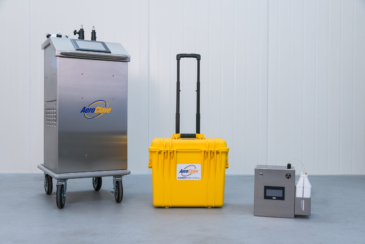
AeroClave provides a consistent, repeatable solution that removes the variability of human error from the disinfection process. While manual wiping is effective for removing dirt, AeroClave treats the entire room as a system. This ensures that every surface, including those that are difficult to reach by hand, receives the necessary contact with the disinfectant. This automated approach allows custodial teams to focus their energy on physical cleaning while the technology handles the critical terminal disinfection step.
By integrating automation into the school protection plan, facility managers can guarantee a specific level of hygiene across every classroom. This standardization is essential for compliance and for providing a verifiable standard of care for students. It moves the facility from a reactive posture to a proactive one, where the environment is consistently maintained at a high level of safety.
How AeroClave Works in a School Environment
The AeroClave system utilizes a process that treats the room as a closed system, ensuring total coverage of all surfaces. It typically employs Vital Oxide, a disinfectant that is highly effective against a broad spectrum of pathogens while remaining gentle on the environment. Vital Oxide is capable of achieving a 99.99999% kill rate on bacteria and viruses, including the cold and flu viruses that frequently disrupt school schedules. Because it is non-corrosive, it is safe for use on the diverse materials found in a modern classroom, from plastic desks to electronic tablets.
When the system is activated, it creates a fine mist that fills the space and settles on every surface. This includes high-touch areas that are often missed during a manual wipe-down, such as the crevices of a computer keyboard or the undersides of chairs. The room as a system concept ensures that the disinfectant reaches every point in the environment simultaneously. This comprehensive coverage is the only way to effectively manage the persistence of pathogens like norovirus in a large facility.
The Preferred Option for Safety and Compliance
AeroClave is the preferred option for many educational institutions because it offers a level of repeatability that manual cleaning cannot match. Every cycle of the system follows the exact same parameters, ensuring that the disinfectant dwell time is met every single time. This eliminates the “false sense of security” that often comes with improper manual wiping, where surfaces are not kept wet for the required duration.
Why School Teams Use AeroClave During Heavy Pathogen Activity
During periods of high illness activity, such as the peak of the winter cold and flu season, the pressure on school staff is immense. Teams turn to AeroClave for several key reasons related to operational efficiency and safety:
- Standardization: Every classroom receives the same high level of disinfection, regardless of who is on the custodial shift that day.
- Total Coverage: The system reaches hidden areas and high-touch points that are impossible to disinfect manually with 100% accuracy.
- Operational Speed: The automated process allows rooms to be disinfected much faster than manual methods, which is critical during rapid turnover periods.
- Regulatory Compliance: The use of EPA-registered Vital Oxide and automated dwell times ensures that the school meets all federal and local safety standards.
- Resource Integration: AeroClave works alongside existing custodial workflows, allowing staff to focus on deep cleaning while the technology handles the disinfection.
What Success Looks Like in Classroom Hygiene
A successful disinfection program follows a clear, four-step workflow that ensures the environment is safe for students and staff. This process combines manual cleaning with automated disinfection to achieve the best possible outcomes.
- Clean First: The custodial team must first remove all organic matter, dirt, and grime using soap and water. This is essential because disinfectants cannot kill germs that are hidden under layers of physical debris.
- AeroClave Workflow: Once the room is physically clean, the AeroClave system is deployed to provide a terminal kill of any remaining pathogens. This step treats the entire space as a system for total coverage.
- Label Basics: All chemicals and treated areas must be properly labeled. This includes following the specific instructions on the disinfectant label regarding dwell time and ventilation.
- Repeat: Use in the next room or after any exposure or suspected exposure occurs.
Operational reality in a school is fast-paced and high-stakes, which is why having the right tools for the job is essential to maintain safety. To learn more about how to integrate professional disinfection into your facility, please contact us via our online form today.
Disinfection Strategies for High-Tempo Facilities
In the demanding landscape of 2026, where facility managers and first responders face constant biological threats, relying on a single, flawed method of decontamination is no longer an option. The operational reality of a fire station or a busy surgical center requires a strategy that balances speed with clinical-grade efficacy.
Manual Surface Protocols: Strengths vs. Human Error
Manual cleaning is the necessary first step in any infection control plan. Its primary strength lies in the removal of gross bioburden, such as dirt, blood, or grime, which can physically shield pathogens from secondary disinfection methods like UV-C light disinfection. However, the reality of the high-stakes environment is that manual wiping is inherently limited by human variability.
Staff members under pressure may overlook high-touch surfaces like the undersides of equipment rails or the intricate buttons on a ventilator. Furthermore, reliance on chemical wipes often fails because the surface dries before the disinfectant neutralizes the pathogen, preventing the necessary contact time.
Where AeroClave Fits into a Facility Protection Plan
Managing a modern healthcare or emergency facility involves constant pressure to reduce “wall time” and turn over rooms or vehicles at a moment’s notice. When a crew is moving from one high-risk call to the next, they do not have the luxury of waiting for an hour-long, line-of-sight dependent UV cycle that might still leave “shadowed” pathogens active in the cabin.
That is where AeroClave fits.
AeroClave designed its system specifically to solve the consistency problem of manual cleaning and the coverage limitations of UV-C light disinfection. By utilizing a hands-free, automated process, AeroClave removes the variable of human error and ensures the treatment of every square inch of a space, regardless of its geometry.
How AeroClave Works in a High-Stakes Environment
AeroClave treats the entire room as a single, integrated system. Unlike light-based systems that only hit what they can “see,” AeroClave utilizes an atomized fog of Vital Oxide. This EPA-registered hospital disinfectant is dispersed in a fine mist that permeates the entire volume of a room, reaching into crevices, under cabinets, and behind monitors where light simply cannot travel.
The use of Vital Oxide is a critical distinction. While ultraviolet radiation can damage sensitive electronics and upholstery over time, Vital Oxide is a shelf-stable, surface safe solution that is safe for use on the complex equipment found in modern ambulances and ICUs. It provides a level of coverage that is physically impossible for a stationary UV lamp to achieve.
The Preferred Option for Professional Teams
AeroClave has become the preferred option for professional organizations because it prioritizes repeatability and documentation. In the context of 2026 safety standards, simply “doing the work” is not enough; you must be able to prove it. AeroClave provides a consistent, validated process.
Why Facility Teams Use AeroClave During Heavy Pathogen Activity
When pathogen activity increases during peak flu seasons or unexpected outbreaks, teams need a system they can trust without hesitation:
- Standardization: Every cycle is identical, ensuring that the level of disinfection does not change based on who is on shift.
- Total Coverage: The fog reaches shadowed areas and complex surface topographies that UV light misses.
- Operational Speed: Facilities can be treated and re-occupied quickly without the lingering risks of ozone or air pollutants.
- Equipment Safety: The process is gentle on expensive monitors, radios, and medical equipment, preventing the cracking and fading associated with UV.
- Regulatory Compliance: The system meets the rigorous standards required for hospital-grade disinfection and is backed by EPA-registered chemistry.
What Success Looks Like: The 4-Step Workflow
AeroClave simplifies the decontamination process into a clear, manageable workflow that ensures maximum safety with minimum downtime:
- Clean First: Perform a standard manual wipe-down to remove visible dirt and gross bioburden from surfaces.
- AeroClave Workflow: Position the AeroClave unit and initiate the automated cycle, allowing the atomized Vital Oxide to fill the space.
- Label Basics: Ensure the area is properly identified as undergoing disinfection, maintaining safety for nearby personnel.
- Repeat: Use in the next room or after any exposure or suspected exposure occurs.
To learn more about how to integrate this level of safety into your operational reality, visit our contact page to speak with an expert.
Conclusion: How to Disinfect a Classroom
In conclusion, understanding how to disinfect a classroom requires a comprehensive approach that balances physical cleaning with technical disinfection. The health of the student population depends on the diligent removal of pathogens through a standardized, repeatable process. By recognizing the limitations of manual cleaning and the necessity of proper dwell times, schools can significantly reduce absenteeism and the spread of illness. Implementing advanced solutions like AeroClave ensures that every corner of the classroom is treated, providing a level of safety that manual wiping simply cannot achieve. Protecting the educational environment is a continuous mission that requires the right technology, the right chemicals, and a commitment to operational excellence.
Sign Up Below To Learn If AeroClave is Right For You
FAQs About How to Disinfect a Classroom
Can AeroClave be used on classroom electronics?
Yes, the system is designed to be safe for a wide variety of surfaces including keyboards, tablets, and computer mice. Because it utilizes a fine mist that settles evenly, it avoids the risk of soaking sensitive electronic components that can occur with traditional liquid sprays.
How does AeroClave help with school budget management?
AeroClave reduces the long-term costs associated with student and staff absenteeism. By preventing outbreaks, schools can maintain consistent instructional days and reduce the need for expensive emergency cleaning services. It also maximizes the productivity of the existing custodial staff.
How long must a disinfectant stay wet to work?
Most professional disinfectants, including those used in the AeroClave system, require a dwell time of 4 to 10 minutes. The surface must remain visibly wet for the entire duration to ensure the chemical can effectively kill the target pathogens.
Is hand sanitizer a replacement for handwashing in schools?
No, hand sanitizer is a secondary option and is not a substitute for washing with soap and water. Sanitizers are not effective when hands are visibly dirty, greasy, or covered in art materials like glue or paint. Physical handwashing for 20 seconds is always the preferred method for removing germs.
What are the risks of using fragranced cleaners in a classroom?
Fragranced products are frequent allergens and can irritate the respiratory system, often exacerbating asthma in children. Using fragrance-free, “asthma-safer” products is recommended to maintain a high level of indoor air quality while still achieving effective disinfection.
Explore More Articles on Health and Safety
- Managing Facility Safety During a Legionnaires Disease Outbreak 2026
- The New Front Line: Managing the Nipah Virus Outbreak 2026
- How to Prevent HAI in Hospitals
- Stop the Spread of Whooping Cough (Pertussis)
- Comparing The Best Automated Disinfection Systems on the Market
- MDRO: What It Means, How It Spreads, and What You Can Do About It
- Stop a Kennel Cough Outbreak Before It Spreads
- Protect Yourself from Subclade K Flu (The Super Flu)
- Measles Outbreak 2026: What to Do, What to Watch For, and How to Stop the Spread
- Locker Room Fungus: How to Stop Athletes Foot and Ringworm
- Candida Auris and Its Impact on Patient Safety
- How Long Will Norovirus Last and Its Impact
- Hantavirus Signs and Symptoms: How to Spot This Rare but Serious Infection Early
- MRSA VRE: Protecting Yourself from Infections
- Florida legionnaires outbreak: What’s Happening in Orange County and What to Do Next
- How Contagious is Hand foot and mouth disease?
- Norovirus vs Food Poisoning: Treatment and Prevention
- Emerging Threat Prep: Why You Should Already Have a Protocol for Avian Flu
- How to Prevent the Spread of RSV
- The Superbug Showdown: How We Tackle MRSA and NDM-1 Klebsiella
- Beyond the “Stomach Bug”: Killing The Foodborne Pathogen Listeria in Your Facility
© 2026 AeroClave