Did you know that healthcare-associated infections affect approximately 1.7 million patients each year in the United States alone? According to the CDC, Staphylococcus aureus (staph) is one of the most common culprits, leading to infections that range from mild skin irritations to life-threatening conditions like pneumonia and bloodstream infections. As a highly resilient bacteria, staphylococcus can spread rapidly, especially in high-traffic environments such as hospitals, gyms, and schools. Given the potential risks, it’s crucial to know the best ways to kill staphylococcus bacteria and protect yourself from infection. This guide covers effective prevention tips, cleaning strategies, and disinfection solutions to help keep staph at bay.
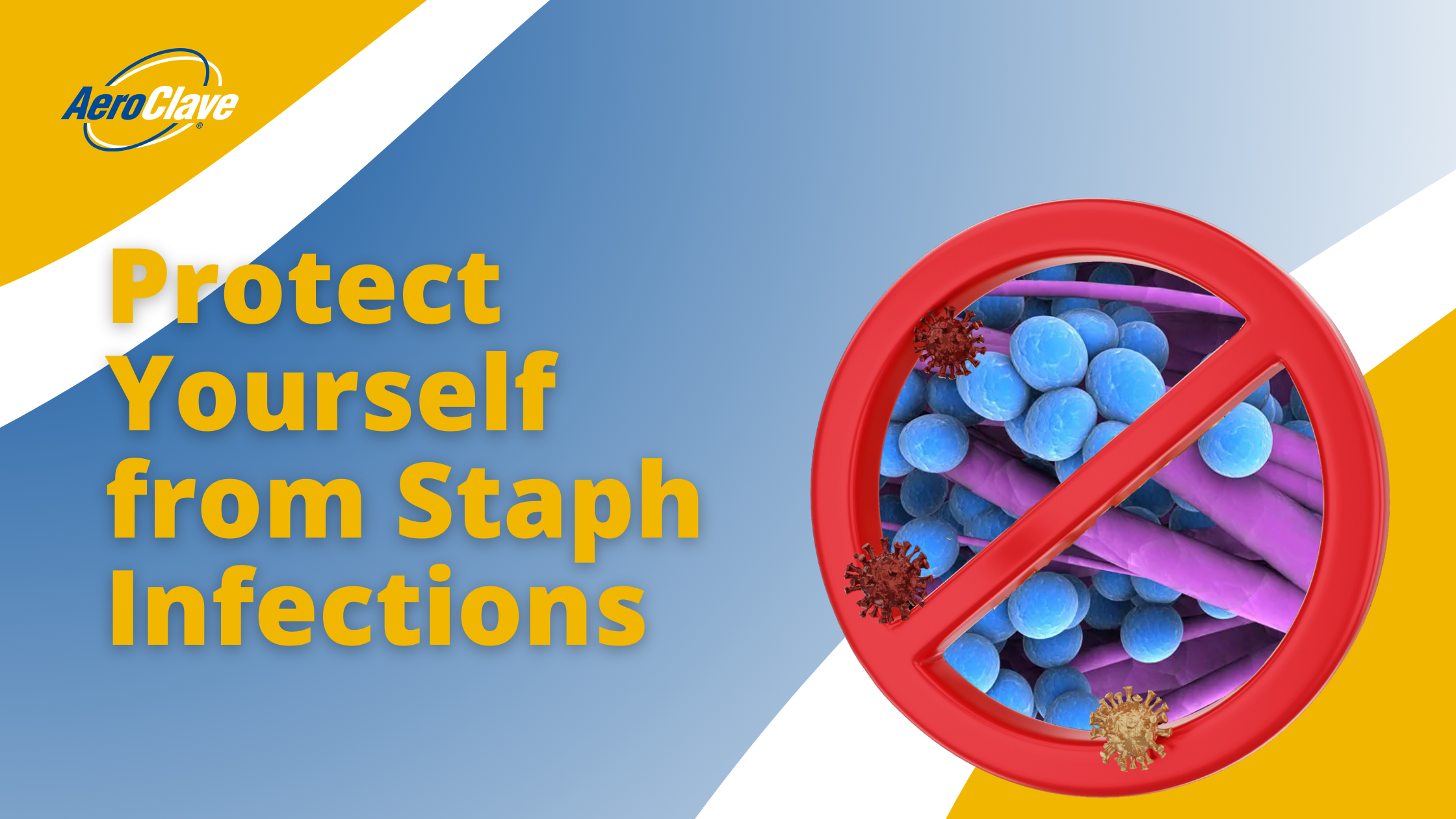
What Is Staphylococcus?
- Staphylococcus is a group of bacteria, with Staphylococcus aureus being one of the most common and concerning types. About 30% of people carry this bacteria on their skin or in their nose without any symptoms. However, if staphylococcus bacteria enter the body through a cut or wound, they can cause infections ranging from minor skin irritations to severe health issues like pneumonia, bloodstream infections, and even toxic shock syndrome. Staphylococcus infections are highly resilient and can survive on surfaces, making them common in hospitals, gyms, and schools where they easily spread.
How Staphylococcus Spreads
- Staphylococcus bacteria spread primarily through direct skin contact, making them a frequent issue in places where people are in close contact, like gyms and sports facilities. Sharing personal items like towels, razors, or gym equipment can also facilitate transmission, as can touching surfaces contaminated by staph bacteria. While it’s less common, staph can also spread through airborne droplets, especially in healthcare environments where there may be a high presence of vulnerable individuals. Preventing the spread of staphylococcus requires a combination of good hygiene, careful wound care, and regular cleaning of high-touch surfaces.
The Dangers of Staph Disease
- Once staphylococcus bacteria enter the body, they can lead to staph disease, causing infections that range from mild to life-threatening. Early stages often look like small red bumps, similar to pimples or boils, but without treatment, these can worsen and spread to deeper layers of the skin. In severe cases, staph can infect the bloodstream, lungs, or heart, leading to conditions like pneumonia, endocarditis, or toxic shock syndrome. People with weakened immune systems or recent surgeries are at higher risk of severe staph disease and may require prompt medical intervention.
Recognizing Staph Early Stages
- Identifying staph early stages can make a significant difference in preventing complications. In the beginning, staph infections often appear as small, red, painful lumps on the skin that may look like insect bites. These early symptoms are sometimes mistaken for minor skin issues, which can delay treatment. However, if the affected area grows quickly, becomes increasingly painful, or starts to ooze, it’s essential to seek medical advice. Early treatment can often prevent the bacteria from spreading and reduce the risk of severe infection.
Common Symptoms of Staph Disease
- Staph disease can manifest in various ways depending on the infection’s location and severity, with symptoms ranging from mild skin irritations to severe internal infections. On the skin, staphylococcus infections typically appear as red, swollen bumps that are often warm to the touch and may contain pus. These skin infections can resemble pimples or boils and are often accompanied by pain and tenderness in the affected area. In more severe cases, staph bacteria can cause widespread redness and blistering, as seen in conditions like cellulitis or impetigo.
Staph in the Bloodstream
- When staphylococcus bacteria enter the bloodstream, they can lead to a serious condition known as bacteremia, or blood poisoning. Common symptoms include fever, chills, and a rapid heart rate, which may progress to sepsis—a potentially life-threatening response to infection that can cause shock and organ failure if untreated. Staph bacteremia requires immediate medical attention and often intravenous antibiotics to prevent further complications.
Lung Infections from Staphylococcus
- In some cases, staph disease can lead to lung infections like pneumonia, especially in individuals with weakened immune systems or underlying respiratory issues. Staph-related pneumonia can cause symptoms such as high fever, difficulty breathing, chest pain, and a persistent cough that may produce bloody or pus-filled mucus. People on ventilators or those with chronic lung diseases are at a higher risk of developing severe staph-related pneumonia, which requires prompt medical intervention.
Heart and Bone Infections
- Staphylococcus can also cause serious infections in the heart and bones. Endocarditis, an infection of the inner lining of the heart valves, is a severe form of staph disease that can lead to heart failure or stroke if untreated. Symptoms may include fatigue, shortness of breath, chest pain, and an irregular heartbeat. Similarly, staph bacteria can travel to the bones, leading to osteomyelitis, which causes pain, swelling, and warmth in the affected area. Both of these conditions are considered medical emergencies and require immediate treatment with antibiotics and sometimes surgery.
How Staphylococcus Spreads
- Staphylococcus bacteria, especially Staphylococcus aureus, can spread quickly through a combination of direct and indirect contact. Direct skin-to-skin contact is the most common way staph infections are transmitted, making high-contact environments like gyms, sports facilities, and healthcare settings particularly vulnerable. Shared items like towels, razors, and gym equipment can harbor staph bacteria, allowing it to spread from person to person when these items aren’t properly cleaned between uses. In healthcare environments, the bacteria can be transferred by medical staff or equipment if strict hygiene protocols aren’t followed.
Spread Through Cuts and Wounds
- Staph bacteria often take advantage of openings in the skin, such as cuts, scrapes, or surgical incisions, to enter the body. Even minor skin injuries can allow staphylococcus bacteria to establish an infection. Keeping wounds clean and covered is essential to prevent bacteria from getting inside and causing staph disease. Individuals recovering from surgery or with open wounds are especially vulnerable, as these openings provide easy access for bacteria.
Airborne Spread in Certain Settings
- Although less common, staph bacteria can become airborne, especially in healthcare settings where high concentrations of bacteria may be present. When staph bacteria are aerosolized through activities like wound care, they can potentially spread through the air to others nearby. This makes it essential for healthcare providers to use protective equipment like masks and gloves, particularly when handling high-risk cases.
Carriers of Staph Bacteria
- Many people carry staphylococcus bacteria on their skin or in their noses without ever developing symptoms. This can create an unintentional reservoir for staph bacteria, allowing it to spread to others through incidental contact. Because carriers may unknowingly pass staph to others, maintaining good hygiene and practicing regular handwashing is critical, especially in environments with people at higher risk, such as hospitals and nursing homes.
Preventing Staph Disease in Everyday Life
- Preventing staph disease involves simple but essential hygiene practices and awareness of high-risk environments. One of the most effective ways to prevent staphylococcus infections is regular handwashing with soap and water, especially after touching shared surfaces or before touching your face. In public spaces like gyms or locker rooms, avoid sharing personal items like towels, razors, and clothing, as these can easily transfer staph bacteria. Cleaning and disinfecting high-touch surfaces, such as gym equipment, doorknobs, and countertops, is also critical in minimizing the spread of staphylococcus bacteria.
Keep Wounds Clean and Covered
- Any open cuts, scrapes, or sores should be cleaned regularly and kept covered with sterile bandages to reduce the risk of staphylococcus bacteria entering the body. This is especially important for individuals with compromised immune systems or those who frequently come into contact with others, as they may be at higher risk of contracting staph disease. In healthcare settings, it’s vital to follow wound-care protocols to prevent infections in surgical sites or open wounds.
Practice Good Personal Hygiene
- Good personal hygiene can also play a significant role in preventing staph disease. Showering after activities like working out or playing sports helps remove bacteria from the skin, reducing the risk of developing an infection. Using a disposable tissue to blow your nose and washing your hands afterward can also prevent the spread of staphylococcus from the nose to other parts of the body or to others.
Disinfect Shared Spaces and Surfaces
- In public and high-traffic areas like gyms, schools, and workplaces, regular disinfection of surfaces can help control the spread of staphylococcus bacteria. High-touch surfaces like exercise equipment, tables, and door handles should be disinfected frequently. For enhanced protection in healthcare or communal settings, advanced disinfection solutions like foggers or devices from companies like AeroClave can provide a more thorough approach to disinfecting large areas and ensuring bacteria-free environments.
Effective Disinfection Methods to Kill Staphylococcus
- Because staphylococcus bacteria can survive on surfaces for extended periods, regular and thorough disinfection is essential in controlling its spread, especially in high-traffic areas. High-touch surfaces such as countertops, gym equipment, doorknobs, and medical devices can harbor staph disease bacteria, making them a priority for cleaning in healthcare facilities, gyms, schools, and homes. A simple bleach solution, made by mixing one part bleach with nine parts water, is a highly effective way to kill staphylococcus on non-porous surfaces. Allowing the solution to sit for at least five minutes before wiping can help ensure bacteria are completely eradicated.
Hydrogen Peroxide for Safe Disinfection
- Hydrogen peroxide is another powerful disinfectant that kills staphylococcus bacteria on surfaces, commonly used in healthcare and food-preparation settings due to its safety and effectiveness. It breaks down into water and oxygen, leaving no harmful residue behind, making it ideal for surfaces that come in contact with food. This solution can be used for regular disinfecting of counters, tables, and other frequently touched areas to minimize the risk of staph disease.
Quaternary Ammonium Compounds (Quats) for Healthcare Settings
- Quaternary ammonium compounds, or Quats, are commonly used in healthcare facilities for their broad-spectrum antimicrobial activity, including effectiveness against staphylococcus. Quats are particularly useful for disinfecting large surfaces like floors and countertops in hospitals and other medical environments where bacterial contamination is a concern. They are ideal for high-traffic areas due to their ability to continuously kill bacteria on surfaces.
Airborne Disinfection with UV-C Light and HEPA Filters
- Although staph bacteria spread mostly through direct contact, airborne disinfection can be an effective precaution in healthcare facilities and public spaces. UV-C light systems can be installed in HVAC systems or used as portable units to kill airborne staphylococcus by damaging its genetic material. HEPA filters also capture particles as small as bacteria, reducing airborne contaminants. Together, these methods help control the spread of staph disease, particularly in settings with vulnerable populations.
Advanced Solutions Like AeroClave for Comprehensive Disinfection
For high-risk environments like hospitals, gyms, and public spaces, advanced disinfection solutions, such as those provided by AeroClave, deliver hospital-grade disinfectants in a fine mist, reaching all surfaces—even hard-to-reach areas. AeroClave’s automated system ensures consistent, thorough disinfection with minimal manual intervention, reducing human error and ensuring a bacteria-free environment. Combining advanced solutions with routine cleaning methods can significantly reduce the presence of staphylococcus and create safer, healthier spaces.
Conclusion: Protecting Yourself from Staphylococcus
In conclusion, staphylococcus infections can range from mild to severe, and with its ability to spread rapidly, it’s essential to take proactive steps to prevent it. Practicing good hygiene, keeping wounds covered, and regularly disinfecting high-touch surfaces are simple but effective ways to minimize the risk. Advanced disinfection solutions, like those from AeroClave, provide thorough, automated coverage to eliminate staphylococcus and ensure safer environments in hospitals, gyms, and schools.
To learn more about AeroClave’s advanced solutions and how they can help you maintain a bacteria-free space, contact us today for a consultation.
Sign Up Below for a No-Cost Risk Assessment
© 2026 AeroClave