Imagine boarding a cruise ship with thousands of excited passengers only to find yourself stuck in your cabin with nausea, vomiting, and stomach cramps within 24 hours. Unfortunately, that’s becoming an all-too-common reality in 2025. According to AAA, a record-breaking 19 million Americans are expected to take a cruise this year, up 34% from pre-pandemic levels. But along with the boom in travel comes a surge in Norovirus Outbreaks 2025, largely fueled by a fast-spreading new strain and lapses in disinfection protocols.
In this post, we’ll explore where these outbreaks are happening, why they’re spreading so quickly, and how you can stay protected with smart hygiene practices and effective disinfection solutions.
What Is Norovirus and Why Are Outbreaks So Common?
Norovirus is one of the most contagious viruses known to public health. It causes symptoms like vomiting, diarrhea, nausea, and stomach pain. Often referred to as the “stomach bug” or “stomach flu” (though it’s unrelated to influenza), it spreads rapidly through contaminated food, water, surfaces, and person-to-person contact.
Why Are We Seeing So Many Norovirus Outbreaks in 2025?
Several major factors are contributing to the rise of norovirus outbreaks 2025:
- Record cruise travel: AAA estimates 19 million Americans will cruise in 2025.
- New dominant strain (GII.17): This new version has taken over, accounting for 75% of recent U.S. outbreaks.
- Peak seasonal timing: Norovirus tends to spike from fall through spring, but now it’s being seen year-round.
- Large gatherings: Camps, schools, and public venues are back to full capacity, increasing risk.
Where Are Norovirus Outbreaks Happening in 2025?
From coast to coast, several key outbreaks have already been confirmed.
1. Shady Creek Outdoor School (California)
Multiple student illness reports prompted deep cleanings and early closures in April and May. Despite professional sanitization, more cases emerged in early May. A total of 36 confirmed or suspected norovirus cases were linked to the camp.
2. Cruise Ships Across the U.S.
The CDC’s Vessel Sanitation Program (VSP) reported 15 cruise-related norovirus outbreaks in 2024 and has already seen 10 so far in 2025. With 19 million expected cruise passengers this year, more cases are likely.
3. Raw Oysters Linked to California Outbreaks
Nearly 180 people fell ill after consuming raw oysters in California. Two separate but concurrent outbreaks traced the oysters back to contaminated harvest sites in Mexico.
What Makes Norovirus Hard to Stop?
- Very low infectious dose (only a few particles can make someone sick)
- Short incubation (symptoms appear in 24–48 hours)
- Airborne spread from vomiting events
- Hardy on surfaces, surviving for days
- Resistant to many cleaners (hand sanitizer doesn’t work)
How to Prevent Norovirus Outbreaks 2025
Stopping the spread of norovirus takes a layered approach. Whether you’re traveling or managing a facility, follow these essential steps:
Wash Hands Thoroughly
- Use soap and water for at least 20 seconds
- Wash before eating, after using the restroom, and after touching shared surfaces
- Hand sanitizer does not kill norovirus
Clean and Disinfect Properly
- Use bleach-based cleaners or EPA-approved disinfectants for norovirus
- Focus on high-touch areas like door handles, counters, toilets, and tables\
- Clean up vomit or stool with protective gear and disinfect area immediately
Stay Home When Sick
- Don’t return to work, school, or travel until 48 hours after symptoms end
- Avoid preparing food for others if you’ve been sick
Screen for Symptoms
- Camps, schools, and cruise lines should conduct daily health checks
- Encourage pre-travel testing or self-assessments
What’s Different About the GII.17 Norovirus Strain?
The GII.17 strain has quickly become the most dominant norovirus variant in the U.S. for 2025. Here’s what makes it unique:
- Rapid transmission: Few have prior exposure, so it spreads faster
- Earlier seasonal peak: Outbreaks began peaking in January vs. February or March
- No regional limits: It’s appearing consistently across the country
Researchers and clinicians are closely watching this strain to inform vaccine development and testing protocols.
Using AeroClave for Norovirus Outbreak Prevention
In high-risk environments, especially where many people gather (schools, healthcare facilities, cruise ships, first responder stations), AeroClave offers an advanced, consistent solution for eliminating norovirus from air and surfaces.
Why AeroClave?
- Total room disinfection: Kills pathogens on all exposed surfaces and in the air
- No cross-contamination: Unlike manual cleaning, AeroClave systems don’t rely on human contact with surfaces
- EPA-approved disinfectants: Vital Oxide, used in AeroClave systems, is proven effective against norovirus
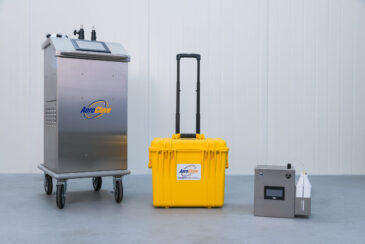
- Scalable and portable: Options like the RDS 3110 and RDS 6110 can be deployed in schools, ambulances, or offices
If your facility has experienced a norovirus outbreak in 2025, or if you want to prevent one, AeroClave provides the speed, safety, and coverage that traditional cleaning methods can’t match.
In conclusion, Norovirus Outbreaks 2025
In conclusion, Norovirus Outbreaks 2025 are rising across the United States due to increased travel, the emergence of the GII.17 strain, and limited public health resources. From cruise ships and outdoor schools to restaurants and healthcare facilities, no environment is immune to the fast-spreading nature of this virus. Preventing its spread requires a combination of proper handwashing, thorough surface disinfection, symptom monitoring, and using the right tools for complete decontamination.
For organizations that need a dependable and proven solution, AeroClave offers advanced disinfection technology designed to kill norovirus on surfaces and in the air quickly, safely, and efficiently.
Contact AeroClave today to learn how we can help protect your people and your space.
FAQs About Norovirus Outbreaks 2025
What are the symptoms of norovirus?
Common symptoms include nausea, vomiting, diarrhea, stomach cramps, fever, and body aches. Symptoms typically last 1–3 days.