According to the Pan American Health Organization, more than 13 million cases of dengue were reported across the Americas in 2024 alone, a record-breaking number. This year, the Dengue Outbreak is spreading even more widely, with significant increases in the U.S., Pacific Islands, and beyond. In fact, the 2025 outbreak is shaping up to be one of the worst in recent memory.
This blog post will explain what dengue is, where the outbreaks are occurring, how the disease spreads, how you can protect yourself, and how AeroClave plays a role in minimizing the risk of transmission.
What Is Dengue and Why the Outbreak Matters in 2025
Quick Overview of Dengue Virus
Dengue is a disease spread by mosquito bites, specifically from the Aedes aegypti and Aedes albopictus mosquitoes. The virus causes symptoms like fever, rash, nausea, vomiting, and body aches. In rare cases, it can become severe and lead to hospitalization or even death.
There are four types of dengue virus (DENV-1, DENV-2, DENV-3, and DENV-4), and you can get infected more than once in your life. The more infections you have, the higher your risk of complications.
Why the Dengue Outbreak 2025 Is So Concerning
In 2025, health officials have reported an alarming increase in dengue cases across:
- The Americas (North, Central, and South America)
- The Caribbean
- The Pacific Islands
- U.S. territories like Puerto Rico, American Samoa, and the U.S. Virgin Islands
Some areas, like Puerto Rico, have extended their outbreak declarations until the end of the year. In the continental U.S., local transmission has been confirmed in Florida, Texas, California, Arizona, and Hawaii.
Where the Dengue Outbreak Is Happening Now
Global Hotspots in 2025
- Cook Islands: Declared an outbreak in May; DENV-1 and DENV-2 both present.
- French Polynesia: Nearly 2,400 cases since late 2023; outbreak ongoing.
- Nauru, Samoa, Tonga, Tuvalu: All reported red alerts and hundreds of confirmed cases.
- Puerto Rico and USVI: Ongoing outbreaks from 2024, extended into 2025.
U.S. Travel-Related and Local Cases
In Hawai’i, nine travel-related dengue cases have been reported so far in 2025. Florida has confirmed local dengue transmission, with health teams conducting mosquito control efforts to prevent the disease from spreading further.
The CDC warns that when travelers return infected from high-risk countries, they can start new local outbreaks if bitten by mosquitoes in their area.
How to Prevent Getting Dengue
Protect Yourself While Traveling
If you’re heading to an area with dengue risk:
- Use EPA-registered insect repellents with DEET or picaridin
- Wear long-sleeved shirts and pants, especially in the morning and late afternoon
- Sleep in air-conditioned rooms or use mosquito nets
At Home and In Your Community
Even if you’re not traveling, you can help stop the spread by:
- Dumping standing water in buckets, plant trays, gutters, or old tires
- Cleaning up outdoor areas to remove mosquito breeding spots
- Installing window screens and fixing broken ones
- Working with your local public health department when they conduct mosquito inspections
How AeroClave Helps During a Dengue Outbreak
AeroClave provides advanced disinfection systems that can help break the mosquito-disease transmission cycle, especially in healthcare settings, emergency vehicles, and public facilities.
Why Disinfection Matters
Although dengue is not spread person-to-person, mosquitoes can easily transmit the virus after biting an infected person. Places like clinics, ambulances, and shelters that deal with dengue patients can become mosquito feeding zones if not properly treated.
AeroClave’s Optimal Solutions
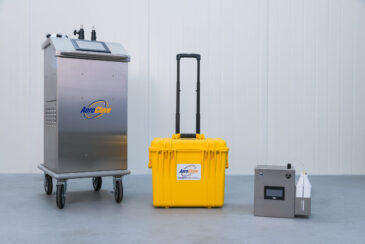
- The AeroClave RDS 6110, RDS 3110 and other modular decontamination systems are designed to treat entire rooms, vehicles, and public spaces.
- Vital Oxide, used in AeroClave systems, is proven to be safe for humans and effective against a wide range of pathogens and vectors.
- By eliminating mosquitoes in enclosed areas, AeroClave helps reduce the chance of further bites and potential outbreaks.
Using AeroClave disinfection systems as part of an integrated response strategy helps create safer, mosquito-free environments.
Symptoms of Dengue to Watch For
Common Symptoms
- Sudden high fever
- Headaches, especially behind the eyes
- Rash
- Joint and muscle pain (sometimes called “breakbone fever”)
- Nausea and vomiting
When to Seek Medical Attention
You should go to a doctor right away if:
- Your symptoms get worse after the fever goes down
- You notice bleeding gums, persistent vomiting, or severe abdominal pain
- You feel faint or very tired
Severe dengue can lead to internal bleeding, organ failure, and death if not treated quickly.
In Conclusion: Dengue Outbreak Prevention Starts With Action
In conclusion, the Dengue Outbreak has evolved into a global public health challenge, with over 13 million cases in 2024 and a continued surge throughout 2025. This outbreak poses real risks not only abroad but also locally in the United States.
From travel-related infections to local mosquito transmission, the threat is real and requires proactive action. Prevention is key: use insect repellent, remove standing water, wear protective clothing, and monitor symptoms. For high-risk environments like healthcare and emergency response settings, AeroClave provides an essential line of defense by disinfecting spaces where mosquito exposure may occur.
Protect yourself, your family, and your facility.
Contact AeroClave today to learn more about how our systems can help you stay protected during the Dengue Outbreak.
Sign Up Below To Learn If AeroClave is Right For You
FAQs About Dengue Outbreak
What causes a dengue outbreak?
A dengue outbreak happens when many people in an area are infected with dengue virus, often due to an increase in mosquito breeding and biting during warm, wet seasons.
Is the Dengue Outbreak 2025 spreading in the U.S.?
Yes, the Dengue Outbreak 2025 has included both travel-related cases and local transmissions in states like Florida, as well as U.S. territories.
Can dengue be deadly?
Yes, although most cases are mild, dengue can become severe. People who’ve had dengue before are more at risk for severe dengue during reinfection.
How is dengue diagnosed?
Doctors use blood tests to check for dengue virus or antibodies. If you have symptoms and have recently traveled to a dengue-prone area, testing is recommended.
How can I protect my family during a dengue outbreak?
Use insect repellent, keep your home clean of standing water, install screens, and encourage everyone to wear long sleeves outside. Check local health alerts regularly.
FAQs About AeroClave
What does AeroClave do?
AeroClave manufactures advanced decontamination systems that help reduce pathogen spread in healthcare and emergency response settings.
What industries use AeroClave products?
AeroClave systems are used by first responders, hospitals, military units, schools, and public health agencies.
Is AeroClave safe to use around people?
Yes. AeroClave uses non-toxic disinfection solutions like Vital Oxide, which are safe for humans and approved for use in occupied spaces.
How does AeroClave help prevent disease spread?
By effectively disinfecting spaces that could harbor pathogens or attract disease-carrying insects, AeroClave reduces the risk of secondary infections or outbreaks.
Explore More Articles on Health and Safety
- Mycobacterium Bovis: Risks to Humans and Animals
- Murine Norovirus MNV 1: Preventing the Spread
- Bordetella bronchiseptica and Pet Respiratory Illness
- Klebsiella aerogenes: Prevention and Control Strategies
- What to Know About Legionella Pneumonia Hyponatremia and How to Stay Safe
- How to Stay Safe During the Listeria Outbreak 2025
- What You Need to Know About Razor Blade Throat and the New Covid Variant
- Best Ways to Protect Yourself From E. coli ESBL Infections
- FIP Treatment: Understanding Feline Coronavirus
- Hantavirus Cases by State and Hantavirus Prevention: What You Need to Know
- Vital Oxide: The Best Mold Cleaner for Your Home or Business
© 2026 AeroClave