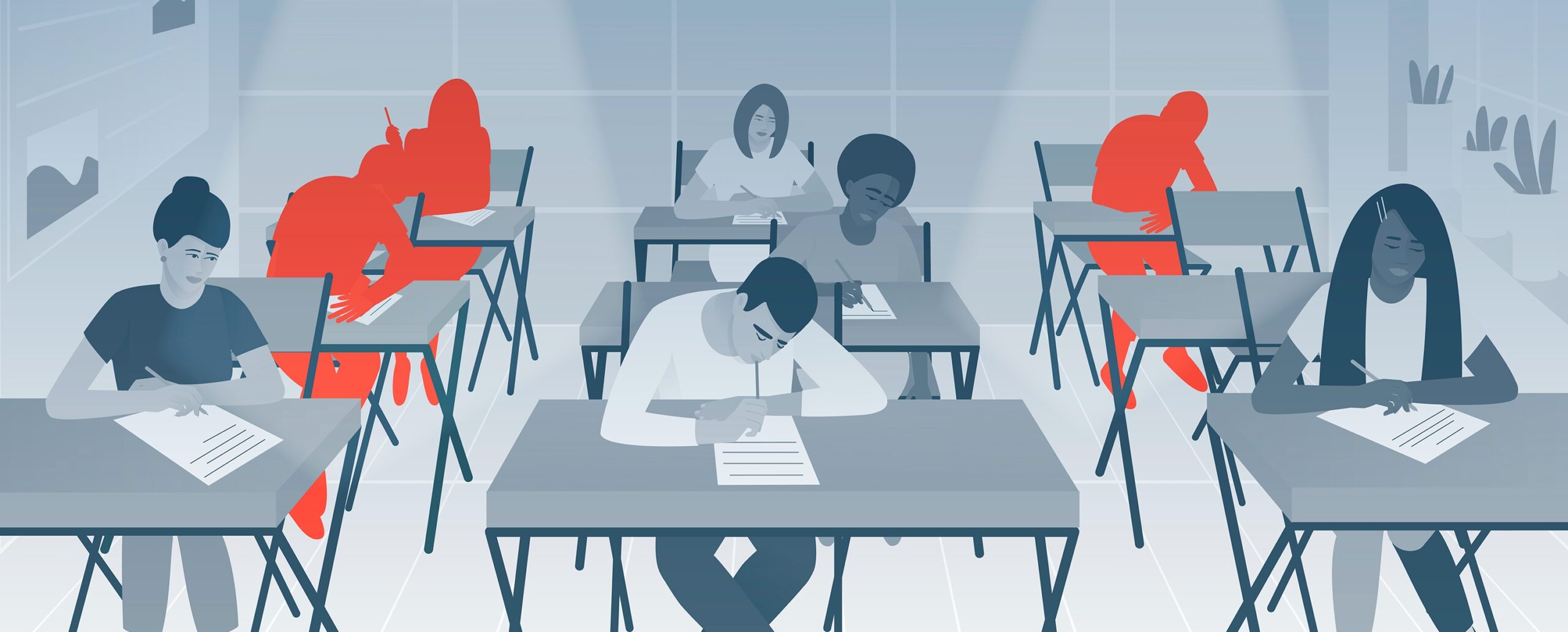
Attendance Starts with a Healthy Learning Environment
As students return to classrooms each fall, schools prepare for more than just lesson plans and extracurricular activities—they also prepare for the arrival of respiratory illness season.
Influenza, RSV, the common cold, and other respiratory illnesses can spread quickly through schools, where hundreds or even thousands of students interact in classrooms, cafeterias, buses, and athletic facilities every day. For administrators, these illnesses create challenges that extend far beyond student health.
Every absence represents missed instruction time, while illnesses among teachers and staff can strain school operations and disrupt learning for entire classrooms.
Maintaining healthy learning environments isn’t simply a matter of convenience—it’s an important part of ensuring students stay engaged, and schools continue to operate effectively throughout the year.
The Hidden Cost of Student Absences
When respiratory illnesses begin circulating, attendance can decline rapidly.
Student absences often mean:
-
-
- Missed classroom instruction
- Additional work for teachers
- Delays in coursework and testing
- Disruptions to sports and extracurricular activities
- Increased administrative burden
-
At the same time, schools must contend with substitute shortages, staffing gaps, and increased demands on health offices.
For districts already balancing tight budgets and limited resources, respiratory illness season can quickly become an operational challenge.
School Nurses on the Front Lines
Nurses’ offices are often the first place students go when they experience symptoms such as coughing, fever, congestion, or fatigue.
During peak illness periods, school nurses may need to:
-
-
- Evaluate and isolate symptomatic students
- Contact parents and guardians
- Monitor outbreaks within the school community
- Prepare health rooms for the next student visit
- Coordinate with administrators and local health officials
-
Ensuring that these spaces can be rapidly cleaned and disinfected is an important part of maintaining readiness throughout the school year.
A Layered Approach to Illness Prevention
There is no single solution for preventing respiratory illnesses in schools. Instead, many districts rely on multiple strategies working together, including:
-
-
- Routine cleaning and disinfection
- Hand hygiene education
- Encouraging students and staff to stay home when sick
- Improved ventilation when possible
- Enhanced cleaning of high-touch surfaces
- Additional precautions during periods of increased illness activity
-
Preparation before flu season arrives can help schools minimize disruptions and support consistent attendance.
Supporting School Operations with AeroClave
When respiratory illnesses begin circulating, schools are tasked with balancing two critical priorities: protecting the health of students and staff while minimizing disruptions to learning.
Many districts are strengthening their infection-prevention strategies by incorporating no-touch decontamination technologies alongside routine cleaning protocols.
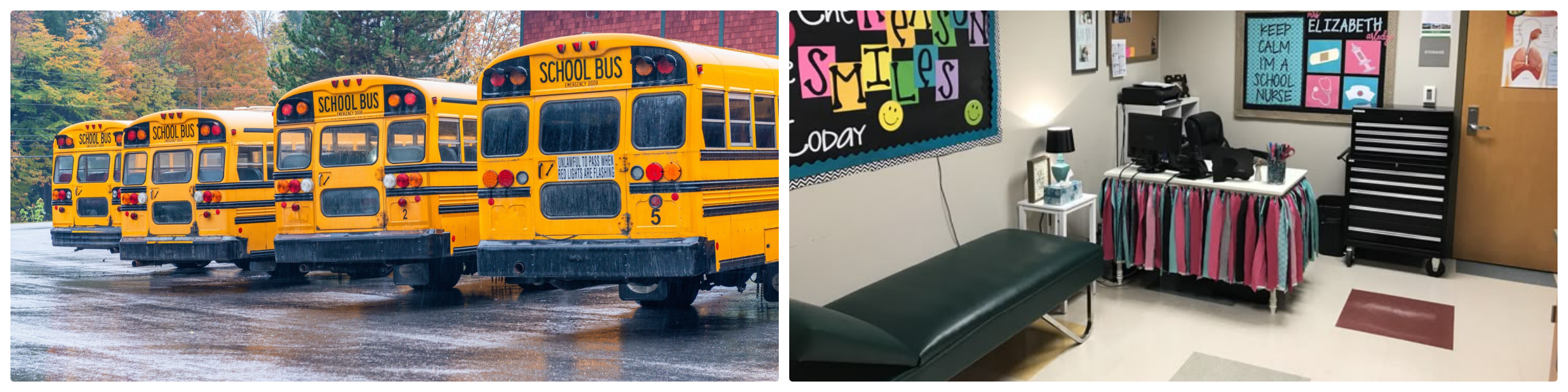
AeroClave systems are designed to rapidly distribute EPA-registered disinfectants throughout enclosed spaces, helping schools efficiently decontaminate high-traffic areas such as:
-
-
- School buses
- Nurses’ offices and health clinics
- Classrooms and libraries
- Locker rooms and athletic facilities
- Administrative offices
-
For transportation departments and school health staff, AeroClave systems can help support faster room and vehicle turnover during periods of increased illness activity. By supplementing existing cleaning practices, schools can create healthier environments that support attendance and reduce operational disruptions throughout respiratory illness season.
Planning Ahead for the School Year
Back-to-school season is about more than new supplies and lesson plans—it’s also an opportunity for schools to strengthen their preparedness strategies.
By taking proactive steps to reduce the spread of respiratory illnesses, districts can help keep students in the classroom, support teachers and staff, and minimize disruptions throughout the academic year.
© 2026 AeroClave