Effective Porcine Reproductive and Respiratory Syndrome (PRRS) Virus Type 2 Elimination with AeroClave
Porcine Reproductive and Respiratory Syndrome (PRRS) Type 2 Virus, specifically Strain NVSL 130 PDV, is a highly contagious viral disease that affects swine, leading to severe respiratory problems in young pigs and reproductive failure in breeding stock. PRRS can cause significant economic losses in the swine industry due to its impact on animal health and production. The virus spreads through direct contact between infected pigs or contaminated equipment and surfaces, making it a major concern in farms, veterinary clinics, and swine transport facilities.
How AeroClave Works
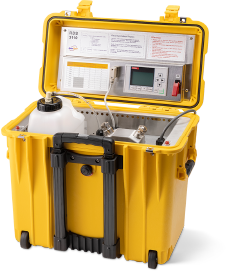
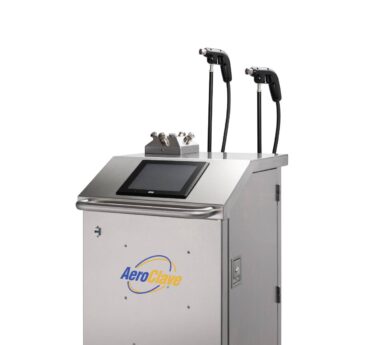
AeroClave uses advanced technology to kill PRRS Type 2 Virus effectively. By delivering a fine mist of Vital Oxide, it ensures comprehensive coverage of all surfaces. Consequently, Vital Oxide penetrates hard-to-reach areas, disrupting the virus and preventing it from replicating, thereby effectively killing the PRRS virus and reducing the risk of transmission.
Benefits of Using AeroClave
- Highly Effective: This system kills PRRS Type 2 Virus, making it ideal for PRRS disinfection in swine facilities.
- Safe for Frequent Use: The non-toxic formula, combined with AeroClave’s precise application, ensures safe daily use in pig farms, veterinary settings, and transport vehicles. This helps with PRRS prevention.
- Quick Action: AeroClave disinfects quickly, ensuring immediate safety and cleanliness. Thus, it helps reduce the risk of viral outbreaks and efficiently kills PRRS Type 2 Virus.
Why Choose AeroClave?
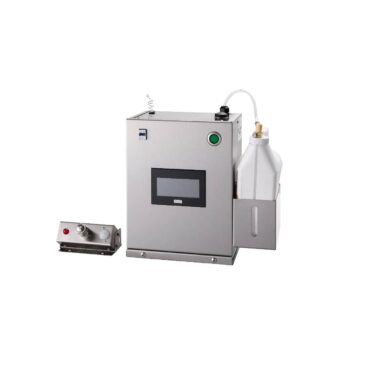
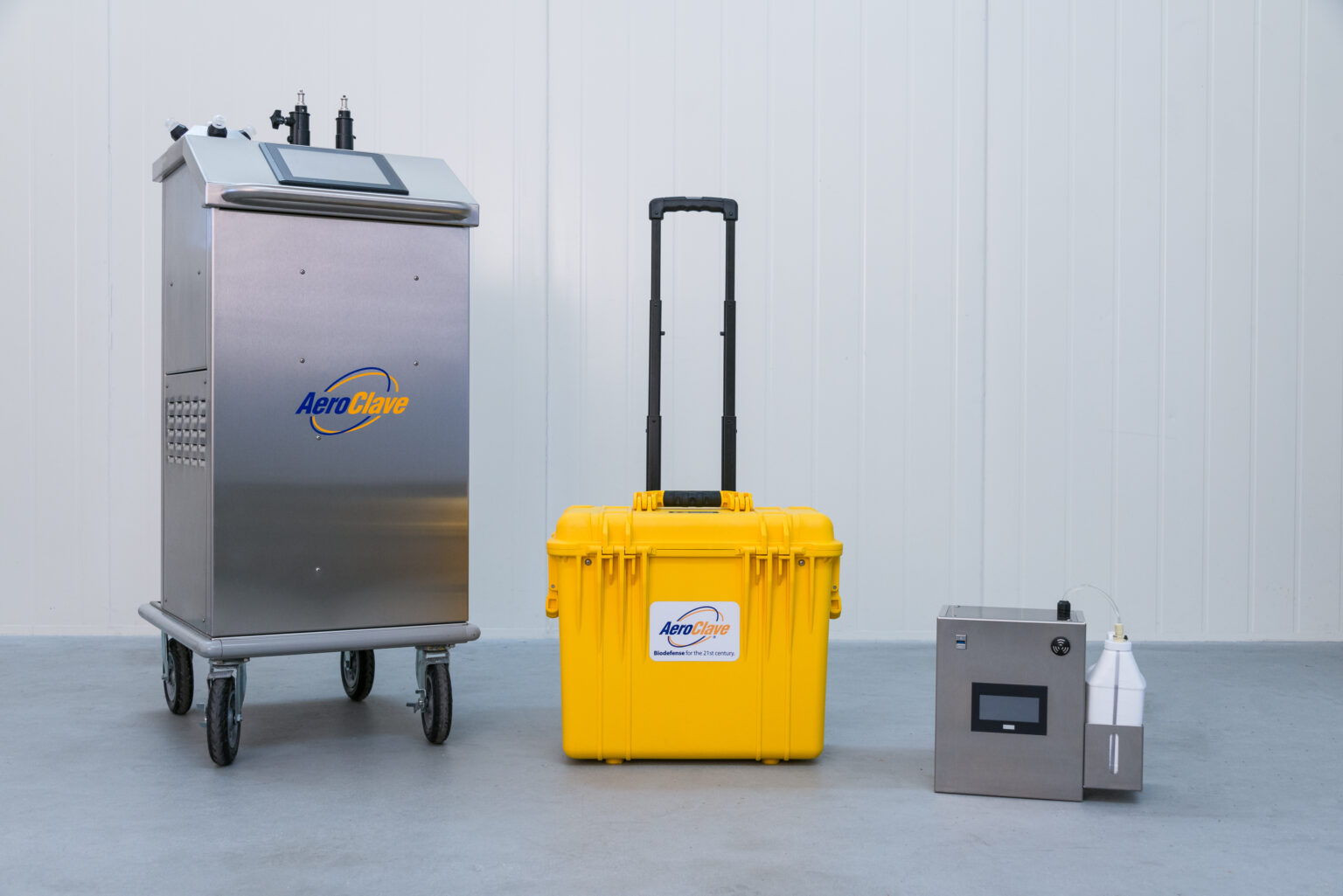
AeroClave is the top choice for eliminating PRRS Type 2 Virus due to its proven efficacy and safety profile. Additionally, AeroClave’s technology ensures even and thorough application of Vital Oxide. Moreover, its non-toxic and non-corrosive properties make it safe for use in environments where swine are housed and treated. This combination guarantees fast and effective PRRS virus disinfection, contributing significantly to overall PRRS prevention.
How AeroClave Works
AeroClave uses advanced technology to kill PRRS Type 2 Virus effectively. By delivering a fine mist of Vital Oxide, it ensures comprehensive coverage of all surfaces. Consequently, Vital Oxide penetrates hard-to-reach areas, disrupting the virus and preventing it from replicating, thereby effectively killing the PRRS virus and reducing the risk of transmission.
Benefits of Using AeroClave
- Highly Effective: This system kills PRRS Type 2 Virus, making it ideal for PRRS disinfection in swine facilities.
- Safe for Frequent Use: The non-toxic formula, combined with AeroClave’s precise application, ensures safe daily use in pig farms, veterinary settings, and transport vehicles. This helps with PRRS prevention.
- Quick Action: AeroClave disinfects quickly, ensuring immediate safety and cleanliness. Thus, it helps reduce the risk of viral outbreaks and efficiently kills PRRS Type 2 Virus.
Why Choose AeroClave?
AeroClave is the top choice for eliminating PRRS Type 2 Virus due to its proven efficacy and safety profile. Additionally, AeroClave’s technology ensures even and thorough application of Vital Oxide. Moreover, its non-toxic and non-corrosive properties make it safe for use in environments where swine are housed and treated. This combination guarantees fast and effective PRRS virus disinfection, contributing significantly to overall PRRS prevention.
© 2026 AeroClave