Did you know the global UV disinfection equipment market is projected to reach $7.94 billion by 2030, up from $3.87 billion in 2022 (MAM, 2025)? With that kind of growth, it’s clear that UVC disinfection has become one of the most widely adopted methods for killing viruses and bacteria in healthcare, transportation, and even household settings. But while UVC disinfection is marketed as a fast, chemical-free solution, recent studies reveal some hidden risks especially when it’s used improperly.
In this blog post, we’ll explore how UVC disinfection works, its benefits and risks, and why safer alternatives like AeroClave may offer a better path to clean, germ-free environments.
What Is UVC Disinfection?
The Basics of UVC Light
UVC light is a type of ultraviolet radiation that does not naturally reach Earth due to the ozone layer. Artificially produced, UVC light can kill or deactivate bacteria, viruses, and other pathogens by disrupting their genetic material.
Where UVC Disinfection Is Used
You’ll find UVC disinfection tools in:
- Hospitals and medical clinics
- Public transportation
- Schools and gyms
- HVAC and air filtration systems
- Water treatment plants
Devices vary from handheld wands to entire room sanitation systems.
How UVC Disinfection Works
Disrupting Pathogens
UVC disinfection inactivates germs by breaking their DNA or RNA. Once damaged, these microorganisms can’t reproduce or cause infection.
Ideal Wavelength for Disinfection
Most UVC disinfection systems use a wavelength around 254 nm, which is known to be especially effective for killing microbes.
Why Dose Matters
To be effective, UVC light must be strong enough and applied long enough to kill the microbes. Weak exposure might leave germs alive and even worse, mutate them.
The Risks of Improper UVC Disinfection
It Can Cause Bacterial Mutations
Studies have shown that non-lethal UVC exposure can lead to mutations in bacteria like E. coli. These mutations could make bacteria more resistant to antibiotics.
Weakened DNA Repair in Microbes
In a long-term study, E. coli exposed to UVC for 28 days built up mutations faster than strains that lacked DNA repair systems altogether. This suggests that repeated UVC exposure can disrupt even natural defenses in microbes.
Creating “Superbugs”
When bacteria mutate but survive, they can become more resistant to both antibiotics and future disinfection. Sublethal doses of UVC disinfection may actually encourage this evolution.
Sublethal = Risky
Using a dose of UVC light that doesn’t kill all pathogens isn’t just ineffective it may push them to become stronger and harder to kill in the future.
How to Use UVC Disinfection Safely
Ensure the Dose Is Lethal
Always use the right dose. Devices should be tested and verified to deliver effective intensity for the required time.
Protect People from Exposure
UVC light can damage human skin and eyes. Only use in unoccupied spaces or enclosed, shielded systems.
Address Shadows and Blockages
UVC light doesn’t bend around corners or penetrate objects. Any areas in shadow may not be disinfected.
Keep Equipment Maintained
UVC bulbs lose intensity over time. Regular cleaning and replacement are essential for proper performance.
Where UVC Disinfection Works Best
Air and Water Systems
These systems move contaminated air or water directly past the UVC source, ensuring even and consistent exposure.
Enclosed Boxes and Tools
Using UVC in enclosed devices (e.g., for sanitizing masks or tools) helps control exposure and effectiveness.
Mobile and Rotating Units
Robotic or rotating UVC units can reduce shadows and help disinfect large spaces more thoroughly than static devices.
When UVC Disinfection Is Problematic
Static Room Disinfection
Stationary units can miss areas due to shadows or distance from the light source, leading to incomplete sanitation.
Lack of Monitoring
If systems aren’t routinely validated, there’s a risk of ineffective disinfection and possible microbial adaptation.
Inconsistent Safety Practices
Without proper training and safeguards, UVC devices can pose risks to people nearby.
Research Findings on UVC and Superbugs
- A Colorado State University study found that UVC-exposed E. coli showed more resistance to rifampicin, a common antibiotic.
- A study in Scientific Reports showed UVC accelerated the mutation rate of bacteria more than even mutator strains.
- UVC-induced mutations tend to occur at genetic hot spots, especially between pyrimidine bases.”
- The efficiency of UVC to create useful mutations versus harmful effects was low only about 3.8%.
Why AeroClave Is a Safer Alternative
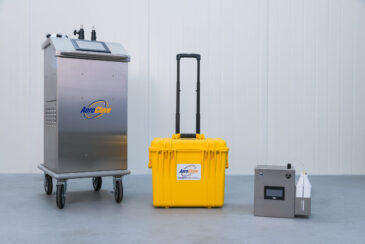
Unlike traditional UVC disinfection systems, AeroClave does not use UVC light. Instead, it offers safer, proven alternatives that achieve complete disinfection without the risks of radiation exposure or encouraging resistant bacteria.
AeroClave systems use EPA-registered disinfectants like Vital Oxide, delivered via fogging and other advanced methods that reach every surface. The result is consistent, validated disinfection without harmful UV exposure.
In Conclusion, UVC Disinfection
In conclusion, UVC disinfection can be an effective tool for eliminating harmful pathogens but only when used properly. The science is clear: sublethal UVC exposure can lead to bacterial mutations, reduced effectiveness over time, and even the risk of contributing to antibiotic-resistant “superbugs.” While UVC technology plays a role in sanitation, its misuse or overuse poses real dangers in healthcare and public settings. Safer, validated alternatives like those offered by AeroClave avoid these risks while delivering consistent, comprehensive results.
Protect your people and your spaces the right way. Contact AeroClave today to learn more about safer alternatives to UVC disinfection.
Sign Up Below for a No Cost Risk Assessment
FAQs About UVC Disinfection
Does UVC disinfection kill viruses like COVID-19?
Yes, UVC light can inactivate viruses like SARS-CoV-2 but only with the correct dose and exposure time.
Is UVC light safe around people?
No. Direct UVC exposure can harm the skin and eyes. Use only when no one is present or with shielding.
Can UVC disinfection cause bacteria to become resistant?
Yes. Improper or weak UVC exposure can lead to bacterial mutations and possible antibiotic resistance.
FAQs About AeroClave
What does AeroClave do?
AeroClave provides safe, non-UVC disinfection systems using EPA-registered disinfectants for use in healthcare, first response, and public safety settings.
What makes AeroClave safer than UVC systems?
AeroClave avoids harmful UV radiation entirely, using disinfectants and delivery systems that ensure full surface coverage without health risks.
Who uses AeroClave products?
Hospitals, ambulance services, law enforcement, fire departments, schools, and more.
Where can I learn more about AeroClave?
Visit www.aeroclave.com to explore products, technology, and applications.
Explore More Articles on Health and Safety
- Mycobacterium Bovis: Risks to Humans and Animals
- Murine Norovirus MNV 1: Preventing the Spread
- Bordetella bronchiseptica and Pet Respiratory Illness
- Klebsiella aerogenes: Prevention and Control Strategies
- What to Know About Legionella Pneumonia Hyponatremia and How to Stay Safe
- How to Stay Safe During the Listeria Outbreak 2025
- What You Need to Know About Razor Blade Throat and the New Covid Variant
- Best Ways to Protect Yourself From E. coli ESBL Infections
- FIP Treatment: Understanding Feline Coronavirus
- Hantavirus Cases by State and Hantavirus Prevention: What You Need to Know
- Vital Oxide: The Best Mold Cleaner for Your Home or Business
© 2026 AeroClave