Every year, new viruses emerge that challenge how we protect human and animal health. According to CDC, there were more than 350 infectious disease outbreaks reported globally in 2024, underscoring how often new threats appear. One group drawing increasing attention is the Henipavirus family-viruses carried by bats and shrews that have been linked to deadly outbreaks in Asia and newly discovered strains in the United States, Australia, and China. This blog post will explain what Henipavirus is, where it has been found, the symptoms it can cause, and the steps you can take to stay protected.
What Is Henipavirus?
Henipavirus belongs to the Paramyxoviridae family, the same group that causes measles and mumps. Unlike those common viruses, however, Henipavirus species are rare, highly contagious in certain hosts, and in some cases, deadly.
Two well-known members-Nipah virus and Hendra virus-are classified as Biosafety Level 4 pathogens because of their high fatality rates and lack of approved treatments. Nipah, for example, kills between 40-75% of infected people during outbreaks.
Other Henipaviruses, like Langya, Salt Gully, or Camp Hill, are still being studied. So far, they’ve shown limited or no ability to infect humans, but because viruses can mutate, scientists emphasize the need for continued surveillance.
Recent Discoveries of Henipavirus Around the World
Henipaviruses aren’t just found in one region. Here are the most recent discoveries scientists are tracking:
Camp Hill Virus in Alabama
In 2025, researchers discovered a new Henipavirus in northern short-tailed shrews in Alabama. Named Camp Hill Virus (CHV), it is the first Henipavirus detected in North America.
- CHV was found in the kidneys of infected shrews.
- No evidence exists that it infects humans.
- Scientists believe it may spread through rodent urine, though this hasn’t been proven.
- The virus appears restricted to shrews, but researchers stress the need for continued monitoring.
Salt Gully Virus in Australia
Also in 2025, Australian scientists isolated Salt Gully Virus (SGV) in bat urine samples collected in Queensland.
- SGV is related to Nipah and Hendra but shares only 35-38% of their genetics.
It can infect human, bat, and monkey cells in the lab, but not pig or horse cells (hosts that normally amplify other Henipaviruses).
It uses a different receptor to enter cells compared to Hendra and Nipah, raising concerns about whether current treatments or vaccines would work. - So far, no human infections have been reported.
Langya Virus in China
Between 2018 and 2021, 35 people in China were diagnosed with Langya Henipavirus (LayV).
- Symptoms included fever, cough, fatigue, nausea, and headache.
- Most cases were mild, and no deaths occurred.
- Transmission appears linked to shrews, not person-to-person spread.
- Some patients developed complications like liver or kidney failure.
- Scientists are watching closely because of the virus’s potential to mutate.
Nipah Virus in Asia
Unlike the others, Nipah virus has already caused regular outbreaks in Bangladesh and India.
- It spreads from bats or pigs to humans, and then between people.
- Symptoms include fever, cough, breathing problems, vomiting, and brain swelling (encephalitis).
- Many patients progress to coma within 24-48 hours of severe infection.
- Mortality ranges from 40-75%.
- No approved treatment exists, though experimental drugs and antibody therapies are in development.
How Do Henipaviruses Spread?
The way Henipaviruses spread varies depending on the species, but some common patterns include:
- Animal to human transmission: Through close contact with infected bats, shrews, pigs, or their fluids (urine, saliva, feces).
- Contaminated food: In past Nipah outbreaks, people became infected after drinking date palm sap contaminated by bats.
Person-to-person spread: Nipah can spread between humans through close contact and respiratory droplets. So far, viruses like Camp Hill and Langya haven’t shown this ability.
Understanding these transmission routes is critical because it helps guide prevention strategies.
Symptoms of Henipavirus Infections
While not every Henipavirus infects humans, those that do can cause a wide range of symptoms:
Mild Symptoms
- Fever
- Fatigue
- Loss of appetite
- Headache
- Cough
- Nausea or vomiting
Severe Symptoms
- Breathing difficulties
- Disorientation or confusion
Seizures - Encephalitis (brain swelling)
- Coma within 24-48 hours in serious cases
Complications
- Liver or kidney failure (seen in some Langya cases)
- Long-term neurological issues, such as seizures or personality changes (seen in Nipah survivors)
Why Henipavirus Matters for Public Health
Even though not all Henipaviruses currently infect people, several factors make them a serious public health concern:
- High Mortality Rates: Nipah and Hendra are lethal in a large portion of cases.
- Unpredictability: Viruses like Salt Gully and Camp Hill could mutate or adapt in ways that make them more dangerous.
- Global Spread: Discoveries across Asia, Africa, Australia, and now North America show that Henipaviruses are not restricted to one part of the world.
- No Approved Treatments: There are currently no licensed vaccines or antivirals for humans.
This is why researchers emphasize ongoing surveillance, animal monitoring, and preparedness planning.
Protecting Yourself and Your Community
While most people will never encounter Henipaviruses directly, basic precautions can lower risks of spillover from animals to humans:
- Avoid direct contact with wild animals, especially bats and shrews.
- Don’t consume raw or unwashed food that could be contaminated by wildlife.
- Practice good hygiene when working around animals or in rural settings.
- Wear protective gear if working in healthcare, research, or veterinary environments.
The Role of Disinfection in Prevention
Preventing viral spread isn’t only about avoiding wildlife contact. It also requires keeping shared spaces clean. This is where AeroClave plays an important role.
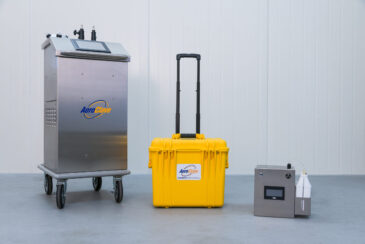
AeroClave provides advanced, automated disinfection systems that use EPA-approved solutions to eliminate viruses and bacteria in both air and on surfaces. From hospitals and schools to emergency vehicles and government facilities, AeroClave helps reduce the risk of outbreaks by ensuring that environments are consistently and thoroughly disinfected.
Conclusion: Protecting Against Henipavirus
In conclusion, Henipavirus remains one of the most important viral families to watch. From highly fatal strains like Nipah and Hendra to newly identified ones such as Camp Hill, Salt Gully, and Langya, these viruses highlight the constant risk of emerging infectious diseases. While not all Henipaviruses currently infect humans, their ability to adapt and cross species barriers makes ongoing surveillance, prevention, and advanced disinfection critical. Protecting communities means combining awareness, hygiene, and reliable infection control. Contact AeroClave today to learn how our advanced disinfection systems can help safeguard your team and community against evolving viral threats.
Sign Up Below To Learn If AeroClave is Right For You
FAQs About Cholera Toxin B
What is Henipavirus?
Henipavirus is a group of viruses carried mainly by bats and shrews. Some strains, like Nipah and Hendra, can infect humans and cause severe illness with high death rates.
Where have Henipaviruses been found?
Henipaviruses have been detected in Asia, Africa, Australia, and North America. Recent discoveries include Langya (China), Salt Gully (Australia), and Camp Hill (United States).
How dangerous is Henipavirus?
It depends on the strain. Nipah and Hendra are highly dangerous, while others like Langya and Camp Hill appear less severe or restricted to animals. However, all are closely monitored because viruses can change over time.
Can Henipaviruses spread from person to person?
Yes, but only some. Nipah virus is known to spread between humans. Others, like Langya or Camp Hill, have not shown human-to-human transmission.
FAQs About AeroClave
What is AeroClave?
AeroClave is a company specializing in automated disinfection systems that kill viruses, bacteria, and other pathogens in the air and on surfaces.
Where are AeroClave systems used?
They are widely used by hospitals, schools, EMS, fire departments, and the military to ensure consistent, thorough disinfection.
What disinfectants does AeroClave use?
AeroClave uses Vital Oxide, an EPA-registered hospital-grade disinfectant proven effective against a wide range of pathogens.
Explore More Articles on Health and Safety
- Canine Coronavirus Explained: Keeping Dogs Safe
- Hantavirus Pulmonary Syndrome Prevention and Disinfection
- AeroClave Delivers Breakthrough Biosecurity Operation at Tinker AFB with JBADS Lite Decontamination of E-3 Sentry Aircraft
- Measles Outbreak Michigan: What You Need to Know
- Legionnaires Disease Outbreak in Harlem: What You Need to Know and How to Stay Safe
- Measles Outbreak Canada: Risk Factors and Safety
- Norovirus Outbreaks 2025: What You Need to Know
- Flu Brain Damage: Facts Every Parent Should Know
- What You Should Know About UVC Disinfection: The Hidden Risks
- Raw Milk Dangers: What You Need to Know Before You Drink
© 2026 AeroClave