Did you know that reported cases of Legionnaires’ disease in the United States have surged by more than 900% since 2000, according to the CDC? This alarming rise highlights the urgent need for effective Legionella Pneumophila Prevention, especially in environments where water systems like cooling towers, hot tubs, and plumbing can harbor the bacteria. With infections leading to severe pneumonia and sometimes death, understanding how to stop Legionella pneumophila before it spreads is critical. This blog post will explain what the bacteria is, how it spreads, and the most effective ways to protect your facility through prevention and disinfection.
What Is Legionella pneumophila?
Legionella pneumophila is a type of bacteria that lives naturally in freshwater environments such as lakes and rivers. In nature, it usually doesn’t pose a threat. But when it enters human-made water systems-like plumbing, cooling towers, fountains, or hot tubs-it can multiply quickly and spread to people through water droplets in the air.
Breathing in these droplets can lead to two illnesses:
- Legionnaires’ disease, a severe form of pneumonia.
- Pontiac fever, a milder, flu-like illness.
While most healthy people don’t get sick, those over 50, smokers, and people with weakened immune systems face higher risks. That’s why Legionella Pneumophila Prevention is critical, especially in hospitals, hotels, schools, and other large buildings.
How Does Legionella pneumophila Spread?
The main way Legionella pneumophila spreads is through aerosols-tiny water droplets that get into the air from contaminated water systems. Examples include:
- Showers and faucets.
- Cooling towers on large buildings.
- Decorative fountains and hot tubs.
- HVAC systems and misting devices.
In healthcare settings, it can also spread through aspiration of contaminated water or ice. Once inhaled, the bacteria travel into the lungs and can cause infection.
Understanding this spread is the first step toward effective Legionella Pneumophila Prevention.
Why Legionella Pneumophila Prevention Matters
Without prevention, Legionella can:
- Grow in biofilm (slimy buildup inside pipes and tanks).
- Spread silently through plumbing systems.
- Infect people before anyone realizes there’s a problem.
Because outbreaks can happen suddenly and spread widely, prevention is far more effective-and less costly-than reacting after people get sick.
Legionella Pneumophila Prevention: Key Strategies
Maintain Water Systems
The first line of defense is proper water system maintenance. Legionella thrives in places where water stagnates or where disinfectant levels drop. To prevent this:
- Clean and disinfect tanks, pipes, and cooling towers regularly.
- Remove scale, biofilm, and sediment where bacteria like to hide.
- Inspect systems frequently to confirm they are operating correctly.
A proactive maintenance schedule is one of the strongest tools in Legionella Pneumophila Prevention.
Control Water Temperature
Temperature plays a major role in controlling bacterial growth:
- Store hot water above 140°F (60°C).
- Keep circulating hot water above 120°F (49°C).
- Maintain cold water below 68°F (20°C).
Legionella grows best between 77°F-113°F (25°C-45°C). By keeping water outside of this range, you create conditions where the bacteria cannot thrive. Regular temperature checks are essential.
Reduce Stagnant Water
Stagnant water is a breeding ground for Legionella. To limit stagnation:
- Eliminate dead legs in plumbing systems (unused or capped sections of pipe).
- Flush rarely used outlets, like guest room showers or eyewash stations, at least weekly.
- Circulate water to keep it moving throughout the system.
Good water circulation is one of the most effective parts of Legionella Pneumophila Prevention.
Use Personal Protective Equipment (PPE)
When working on potentially contaminated water systems, protect workers with PPE. This is especially important during maintenance, cleaning, or disinfection tasks that can release bacteria into the air.
Recommended PPE includes:
- N95 or higher respirators.
- Safety goggles or face shields.
- Protective gloves.
- Coveralls or protective clothing.
Providing PPE helps reduce occupational exposure and makes prevention programs stronger.
Regular Testing and Monitoring
Routine testing for Legionella helps detect risks before they become outbreaks. Facilities such as hospitals, hotels, and industrial sites should:
- Test water samples regularly for Legionella pneumophila.
- Monitor disinfectant levels, temperature, and pH.
- Document results and take action immediately if bacteria are detected.
Testing isn’t just a safety step-it’s a critical part of compliance and risk management.
Disinfection Methods for Legionella Pneumophila Prevention
Disinfection is essential to control and eliminate Legionella. Here are proven methods:
Water System Disinfection
- Chlorination: Adding chlorine to water kills bacteria. Shock chlorination uses high doses for short periods, especially effective in plumbing and cooling towers. Regular monitoring is needed to avoid corrosion.
- Thermal disinfection: Heating water above 158°F (70°C) kills Legionella. This works well in hot water systems but must be done carefully to prevent burns.
- Copper-silver ionization: Releases ions into the water, disrupting bacterial growth. This is common in hospitals and large facilities and works as a long-term solution.
Surface and Air Disinfection
Even though Legionella spreads mainly through water, it can linger on surfaces and in the air. Disinfection of these areas adds an extra layer of safety:
- Bleach solutions (1:9 ratio): Simple and highly effective on hard surfaces.
Hydrogen peroxide: Breaks down bacterial cell walls and is safe for sensitive areas. - Quaternary ammonium compounds (Quats): Common in healthcare for cleaning surfaces.
- UV-C light: Kills bacteria in HVAC systems and improves air quality by damaging DNA.
- Vital Oxide with AeroClave: Delivered as a fine mist through AeroClave’s automated system, Vital Oxide provides complete coverage on both surfaces and in the air. It is EPA-registered, safe, and proven effective against Legionella pneumophila, making it an advanced option for large facilities and high-risk environments.
Understanding the Legionella Pneumophila Incubation Period
The incubation period for Legionella pneumophila is typically 2 to 10 days, but in some cases, it can be as long as 16 days.
During this time, symptoms can develop, including:
- Fever and chills.
- Cough and shortness of breath.
- Muscle aches and fatigue.
- Headache, nausea, or diarrhea.
Knowing this window helps doctors diagnose and treat Legionnaires’ disease early, improving recovery rates.
AeroClave’s Role in Legionella Pneumophila Prevention
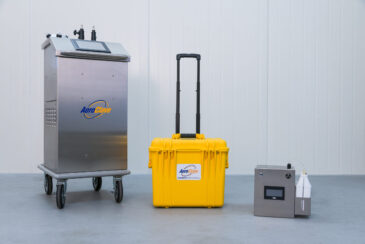
While manual cleaning and disinfection methods are helpful, they often leave gaps. AeroClave solves this problem with automated disinfection technology.
AeroClave systems use a patented process to deliver EPA-approved disinfectants like Vital Oxide across all surfaces and into hard-to-reach areas. This ensures consistent, thorough coverage while reducing human error.
From hospitals and fire stations to schools and public transit systems, AeroClave delivers fast, reliable results that go beyond traditional cleaning. For facilities serious about Legionella Pneumophila Prevention, AeroClave provides peace of mind.
Legionella Pneumophila Prevention: Final Thoughts
In conclusion, protecting your environment from Legionella pneumophila starts with a proactive approach. Legionella Pneumophila Prevention requires maintaining clean and well-functioning water systems, controlling hot and cold water temperatures, reducing stagnant water, using personal protective equipment when needed, and performing regular testing to catch risks early. Disinfection methods like chlorination, thermal treatments, hydrogen peroxide, UV-C light, and copper-silver ionization all play a role in keeping bacteria under control.
For the most consistent and thorough protection, advanced technology makes a difference. Contact AeroClave today to learn how our automated disinfection systems can provide powerful and reliable defense against Legionella pneumophila, helping you safeguard your facility, your staff, and your community.
Sign Up Below To Learn If AeroClave is Right For You
FAQs About Legionella Pneumophila Prevention
What is Legionella pneumophila?
It’s a bacterium that lives in water systems and can cause Legionnaires’ disease, a severe pneumonia, when inhaled through contaminated water droplets.
How can I prevent Legionella growth in my building?
Maintain water systems, control water temperature, flush stagnant lines, disinfect surfaces, and test regularly. These steps form the foundation of Legionella Pneumophila Prevention.
What disinfectants kill Legionella pneumophila?
Chlorine, hydrogen peroxide, quaternary ammonium compounds, bleach, Vital Oxide and advanced methods like copper-silver ionization and UV-C light are proven effective.
FAQs About AeroClave
What does AeroClave do?
AeroClave provides advanced disinfection systems that eliminate harmful pathogens, including Legionella pneumophila, through an automated fine-mist process.
Where is AeroClave used?
Hospitals, schools, military bases, fire stations, and public transit systems use AeroClave for consistent, reliable disinfection.
Why choose AeroClave for Legionella Pneumophila Prevention?
Unlike manual cleaning, AeroClave delivers uniform coverage in less time, reducing the risk of missed spots and human error. It’s safe, fast, and trusted by organizations nationwide.
Explore More Articles on Health and Safety
- Canine Coronavirus Explained: Keeping Dogs Safe
- Hantavirus Pulmonary Syndrome Prevention and Disinfection
- AeroClave Delivers Breakthrough Biosecurity Operation at Tinker AFB with JBADS Lite Decontamination of E-3 Sentry Aircraft
- Measles Outbreak Michigan: What You Need to Know
- Legionnaires Disease Outbreak in Harlem: What You Need to Know and How to Stay Safe
- Measles Outbreak Canada: Risk Factors and Safety
- Norovirus Outbreaks 2025: What You Need to Know
- Flu Brain Damage: Facts Every Parent Should Know
- What You Should Know About UVC Disinfection: The Hidden Risks
- Raw Milk Dangers: What You Need to Know Before You Drink
© 2026 AeroClave