Why chikungunya matters right now:
chikungunya is a mosquito-borne virus that causes sudden fever and intense joint pain. Most people recover in about a week, but some have joint pain that lingers for months or even years. There is no specific antiviral treatment. Care is supportive: rest, fluids, and acetaminophen for pain and fever. Vaccines exist and may be recommended for some travelers. Prevention focuses on avoiding mosquito bites and reducing standing water where mosquitoes breed.
This guide pulls together recent public information about chikungunya, including symptoms, where it’s found, vaccine status, U.S. case trends, and practical steps you can take at home and when you travel.
What is chikungunya?
chikungunya (often shortened to CHIKV for the virus) spreads to people through the bites of infected Aedes mosquitoes, mainly Aedes aegypti and Aedes albopictus. It is not spread by casual contact, coughing, sneezing, or saliva. Rare spread can occur through blood exposure (for example, in a lab or during certain medical procedures).
If you are infected, it’s important to avoid new mosquito bites during the first week of illness. During that time, the virus is present in your blood at high levels. A mosquito that bites you can pick up the virus and then spread it to other people.
Where does chikungunya occur?
Once limited to parts of Africa and Asia, chikungunya is now global. Risk exists in the Americas, Africa, Asia, and Europe, and on islands in the Caribbean and the Indian and Pacific Oceans. More than 100 countries have reported cases in recent years.
In the United States, locally acquired chikungunya cases have not been reported in U.S. states or territories since 2019. Most U.S. cases are linked to travel to areas with ongoing transmission. In 2025 (through September 30), U.S. states reported zero locally acquired cases and 88 travel-associated cases.
What are the symptoms of chikungunya?
Most people develop symptoms 3-7 days after an infected mosquito bite. The hallmark is sudden high fever with severe joint pain. Many describe the pain as “bending” or “stooping” pain.
Other symptoms can include:
- Headache
- Muscle aches
- Joint swelling
- Rash
- Fatigue
- Nausea
- Red eyes in some cases
Most people feel better within 7-10 days. For a significant share, joint and muscle pain can persist for months or even years. Severe disease and death are rare, but they can occur.
Higher-risk groups for severe outcomes include:
- Newborns infected around the time of birth
- Adults 65 years and older
- People with medical conditions such as high blood pressure, diabetes, or heart disease
- Pregnant people near delivery, due to the risk of passing infection to the baby at birth
After recovery, people appear to have protection against future infections.
How is chikungunya diagnosed?
Tell a clinician about recent travel if you develop a sudden fever and joint pain. Early in illness (first week), a PCR test can detect the virus in blood. After the first week, antibody tests can help confirm past infection.
How is chikungunya treated?
There is no specific antiviral for chikungunya. Treatment is supportive:
- Rest and fluids
- Acetaminophen (paracetamol) for fever and pain
- Avoid NSAIDs (like ibuprofen, naproxen, or aspirin) until dengue is ruled out, due to bleeding risk if dengue were present
For long-lasting joint pain, clinicians may consider treatments used for inflammatory joint conditions. Always follow medical advice for your situation.
Vaccines for chikungunya: what to know
Two vaccines are available in the United States:
- VIMKUNYA: a virus-like particle vaccine. It does not contain live virus and cannot cause infection. Approved for people 12 years and older. Single dose.
- IXCHIQ: a live-attenuated vaccine previously used in adults 18 years and older. On August 22, 2025, the FDA suspended the U.S. license for IXCHIQ following safety concerns identified in post-marketing data. Earlier in 2025, guidance had already narrowed its use and added precautions, especially for people ≥65 with chronic conditions. (CDC has indicated it will update guidance as more information becomes available.)
Who should consider vaccination?
Vaccination may be recommended for travelers to areas with an active chikungunya outbreak, and for certain lab workers with potential exposure. It may also be considered for longer stays (for example, six months or more) in places with elevated risk for U.S. travelers, even if there is no declared outbreak. Discuss your itinerary, timing, and health conditions with a travel clinic or healthcare professional.
Travel planning: how to weigh your chikungunya risk
When planning travel, check for:
- Current outbreak notices affecting destinations (examples in recent updates have included Bangladesh, Cuba, Guangdong Province in China, Kenya, Madagascar, Somalia, and Sri Lanka).
- Elevated-risk countries for U.S. travelers over the past five years, such as Brazil, Colombia, India, Mexico, Nigeria, Pakistan, Philippines, and Thailand.
Who should reconsider travel during outbreaks?
- People in the third trimester of pregnancy (due to risk of infection at delivery)
- Adults ≥65 years or those with diabetes, high blood pressure, or heart disease
- Families with newborns
If you choose to travel, talk with your clinician about vaccination (where indicated) and bite-prevention steps.
Everyday prevention: simple steps that work
Mosquitoes that spread chikungunya can bite day and night. Protect yourself at home and on the road.
Use effective repellents
- Choose EPA-registered repellents with DEET, picaridin, or IR3535.
- Follow label directions carefully.
Dress for protection
- Wear long sleeves and pants.
- Treat clothing and gear with 0.5% permethrin (or buy pre-treated items).
Control mosquitoes around you
- Dump, scrub, or cover containers that hold water (planters, toys, buckets, tires, birdbaths).
- Keep window and door screens in good repair; use AC when possible.
- Use mosquito nets if sleeping outdoors or where screens/AC are not available.
If you’re sick
- Avoid mosquito bites for the first week of illness to keep mosquitoes from picking up the virus and spreading it to others.
What to do if you think you have chikungunya
- Note your timeline. Symptoms usually start 3-7 days after a bite in an area with transmission.
- Seek care. Tell your clinician where and when you traveled. Ask about testing for chikungunya, and if needed, for dengue and Zika.
- Treat supportively. Rest, hydrate, and use acetaminophen unless told otherwise. Hold off on NSAIDs until dengue is ruled out.
- Prevent further spread. Use repellent, wear long sleeves, and sleep under a net during the first week of illness to avoid infecting mosquitoes.
Chikungunya in the U.S.: what the numbers say
- Nationally notifiable condition since 2015.
- No locally acquired cases reported in U.S. states or territories since 2019.
- In 2025 (through September 30), U.S. states reported 0 local and 88 travel-associated cases; territories reported 0 cases.
These trends can change. Always check current notices before you travel.
Families and community groups: practical checklists
Home checklist to lower chikungunya risk
- Walk your property once a week to empty or cover anything that holds water.
- Keep screens tight; repair holes.
- Store outdoor items (buckets, toys) upside down or under cover.
- Use EPA-registered repellent when spending time outdoors.
- Teach children to apply repellent safely and to avoid standing water.
School, camp, and workplace checklist
- Remove standing water from planters, gutters, and equipment areas.
- Post bite-prevention reminders at entrances, gyms, and fields.
- Plan for daytime mosquito protection during outdoor activities.
- Ensure indoor areas have working screens and closing doors.
- Share travel health reminders before school breaks and team trips to areas with chikungunya activity.
How AeroClave Strengthens Your West Nile Virus Outbreak
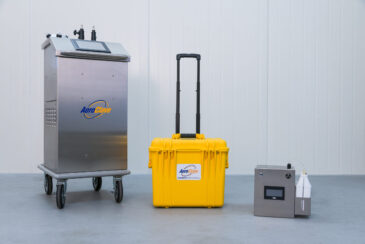
Outdoor mosquito control comes first; indoors you still need fast, consistent hygiene. AeroClave adds a reliable indoor layer to your Chikungunya strategy by killing mosquitos using EPA-registered Vital Oxide. Choose the setup that fits your use case from the Hydra multi room unit to our flagship RDS 3110 Model we have a solution that fits your needs.
If you manage stations, clinics, classrooms, offices, or fleets, we’ll map your spaces, train your team, and get you running quick turnarounds that keep operations ready through peak Chikungunya. Tell us your facility type, number of rooms/vehicles, and goals (faster turnarounds, audit-ready records, surge readiness). Contact AeroClave today to learn how our advanced decontamination systems can protect your team and community.
Chikungunya: Key Takeaways and Next Steps
In conclusion, chikungunya is a mosquito-borne viral illness that causes sudden fever and significant joint pain, with most people recovering in about a week but some experiencing lingering symptoms for months or years. It spreads through Aedes mosquitoes (not casual person-to-person contact), so the most effective protection is preventing bites: use EPA-registered repellents, wear long sleeves and pants, treat clothing with permethrin, and remove standing water around homes and facilities. There’s no specific antiviral treatment-care is supportive-and testing (PCR early, serology later) helps confirm the diagnosis. Vaccination may be recommended for certain travelers and lab workers, with current guidance prioritizing non-live options where appropriate. In the United States, there have been no locally acquired cases reported since 2019, but travel-related infections continue, so check outbreak notices before trips and avoid mosquito exposure during the first week of illness to prevent onward spread. Pair strong vector control with consistent environmental hygiene to reduce overall risk in homes, schools, clinics, and response vehicles.
Contact AeroClave today to learn how our advanced decontamination systems can protect your team and community.
Sign Up Below To Learn If AeroClave is Right For You
FAQs About Chikungunya
What is chikungunya in simple terms?
It’s a virus spread by mosquitoes that causes high fever and intense joint pain. Most people recover in a week, but some have long-lasting joint pain.
How do you get chikungunya?
From the bite of an infected Aedes mosquito. It’s not spread by casual person-to-person contact.
Are vaccines available?
Yes. VIMKUNYA (ages 12+) is a single-dose, non-live vaccine. The U.S. license for the live-attenuated IXCHIQ vaccine was suspended on August 22, 2025. Ask a clinician if vaccination is right for your trip.
FAQs About AeroClave
Who is AeroClave?
AeroClave provides advanced decontamination solutions that help organizations strengthen infection control practices.
What types of places use these systems?
Common users include emergency services, healthcare facilities, schools, government agencies, and other organizations that need reliable environmental decontamination.
Do they replace basic cleaning?
No. They are used alongside routine cleaning and public health guidance. Follow local health authorities for mosquito control and travel recommendations.
Explore More Articles on Health and Safety
- Canine Coronavirus Explained: Keeping Dogs Safe
- Hantavirus Pulmonary Syndrome Prevention and Disinfection
- AeroClave Delivers Breakthrough Biosecurity Operation at Tinker AFB with JBADS Lite Decontamination of E-3 Sentry Aircraft
- Measles Outbreak Michigan: What You Need to Know
- Legionnaires Disease Outbreak in Harlem: What You Need to Know and How to Stay Safe
- Measles Outbreak Canada: Risk Factors and Safety
- Norovirus Outbreaks 2025: What You Need to Know
- Flu Brain Damage: Facts Every Parent Should Know
- What You Should Know About UVC Disinfection: The Hidden Risks
- Raw Milk Dangers: What You Need to Know Before You Drink
© 2026 AeroClave