When a virus can kill up to three out of four people it infects and puts an estimated 2 billion people within the host bat’s range, it deserves attention-fast. That’s the reality of the Nipah virus, a zoonotic threat with repeated spillovers in South Asia and ongoing concern from global health agencies. CEPI
In Bangladesh, where the Nipah virus resurfaces nearly every year, the WHO reports that annual cases have stayed under ten since 2016-except in 2023, when 13 cases were confirmed-underscoring how quickly small numbers can spike and why preparedness matters. Meanwhile, the WHO continues to estimate a 40%-75% case-fatality rate depending on the outbreak and clinical care available.
What is Nipah virus?
Nipah virus is part of the paramyxovirus family. It is one of the deadliest pathogens to infect humans. Because it is zoonotic, it can jump from animals to people. Fruit bats (genus Pteropus), also called flying foxes, are the natural reservoir. These bats can contaminate fruit or raw date palm sap with saliva or urine. Nipah virus also infects pigs. People may become ill after close contact with infected pigs or after handling their tissues.
The virus can further spread between people. This often happens during close caregiving without protection or in crowded healthcare settings where standard precautions are not followed. That is why early recognition and careful infection control matter.
Where does Nipah virus occur?
Nipah virus was first identified in 1999 in Malaysia and Singapore, during an outbreak linked to pigs and people who worked with them. More than a million pigs were culled to stop transmission, and over one hundred human deaths were reported. Person-to-person spread was not confirmed in that first event.
By 2001, outbreaks were recognized in Bangladesh and India, including clusters inside hospitals. Bangladesh has reported near-annual outbreaks since then, and India has had periodic events. So far, human outbreaks remain in South and Southeast Asia. However, fruit bats that carry the virus live across a much wider region, so continued vigilance is important even in places that have not recorded human cases.
How Nipah virus spreads
Animal-to-human transmission
- Contact with infected bats or pigs: exposure to blood, urine, feces, or saliva can pass the virus to people.
- Contaminated foods: eating fruit or raw date palm sap that has been soiled by infected bats is a known route.
Human-to-human transmission
- Close contact with an infected person’s body fluids or respiratory droplets can spread Nipah virus, especially during caregiving.
- Healthcare settings without consistent precautions are a known risk for clusters.
What “close contact” means
Close contact can include helping with feeding, cleaning, or medical care without protection; sharing utensils or personal items; or being in range of coughs and sneezes without a mask or eye protection.
What is not known for sure
Environmental persistence in foods and fluids is not fully understood. That uncertainty is another reason to follow careful food-handling and hygiene practices in affected areas.
Symptoms and what to watch for
Typical incubation for Nipah virus
Symptoms usually begin 4-14 days after exposure.
Early symptoms (common)
- Fever and headache
- Cough, sore throat, breathing difficulties
- Nausea, vomiting, diarrhea
- Muscle pain and marked weakness
Severe symptoms (can progress quickly)
- Encephalitis (brain inflammation) with confusion, drowsiness, seizures
- Respiratory distress and rapid deterioration
- Coma can develop within 24-48 hours in the most severe cases
Some people have mild illness or even no symptoms, while others worsen quickly. Survivors can have long-term neurologic effects, such as seizures or personality changes, and delayed or relapsing encephalitis has been reported.
How serious is Nipah virus?
Nipah virus is a high-consequence pathogen. Reported case fatality often ranges from 40% to 75%. The rate varies with how fast outbreaks are recognized, how strong infection control is, and what level of clinical support is available. Because the virus can affect both the respiratory and central nervous systems, rapid triage and strict precautions are essential.
Diagnosis: how clinicians confirm Nipah virus
Clinical suspicion
Early symptoms look like other infections. Clinicians use recent travel, animal exposure, contact with a sick person, and local alerts to decide when to test for Nipah virus.
Laboratory testing
- RT-PCR during acute illness using samples like throat or nasal swabs, cerebrospinal fluid, urine, or blood.
- ELISA to detect antibodies later in the course or after recovery.
Proper timing, sample type, and careful handling improve test accuracy.
Treatment: what care looks like
There are no licensed antivirals or vaccines yet for Nipah virus. Care focuses on supportive treatment:
- Hydration and rest
- Medicines for fever, pain, nausea, or seizures as indicated
- Oxygen or other respiratory support if needed
Researchers are studying vaccine candidates and monoclonal antibodies as potential tools for future outbreaks, but they are not yet approved for general use.
Practical ways to lower your risk
If you live in or travel to areas with Nipah virus
- Wash hands often with soap and water.
- Avoid raw date palm sap; if collected locally, boil before drinking.
- Wash and peel fruit; discard fruit with bat bite marks or fruit that fell to the ground.
- Avoid bat roosting areas and sick pigs.
- On farms, clean and disinfect facilities; quarantine animals if infection is suspected and follow local guidance.
If you are caring for someone who may have Nipah virus
- Use personal protective equipment (PPE): gloves, gown, eye protection, and an appropriate medical mask.
- Practice hand hygiene before and after patient contact and after removing PPE.
- Limit the number of caregivers and keep a log of close contacts.
- Follow public health directions for isolation and specimen handling.
In healthcare settings
- Apply standard precautions for all patients at all times.
- For suspected or confirmed Nipah virus, add contact and droplet precautions; use airborne precautions for aerosol-generating procedures.
- Clean and disinfect patient areas with products that meet local and national guidance for clinical surfaces.
Community actions that make a difference
Better food practices
- Boil freshly collected sap before drinking.
- Peel fruit and check for bite marks or damage.
- Store fruit in covered containers away from bats and other animals.
Safer caregiving
- Wear gloves, eye protection, gown, and a medical mask when caring for someone with suspected Nipah virus.
- Keep waste and laundry separate and handle them carefully.
- Clean and disinfect shared surfaces regularly.
Safer workplaces
- Set clear SOPs for cleaning, PPE, and sick-leave rules.
- Train teams to notice and report symptoms early.
- Coordinate with local health agencies during alerts or outbreaks.
How AeroClave supports preparedness for the Nipah virus
Why an environmental program matters
For a high-consequence threat like the Nipah virus, the strongest defenses are practical ones you control every day: hand hygiene, PPE, safe food handling, and consistent cleaning and disinfection in patient-care and animal-handling areas. A disciplined environmental program reduces the chance of person-to-person spread during caregiving and helps keep high-touch surfaces safer in clinics, transport units, and community spaces.
What a standardized decon workflow looks like
- Set clear SOPs: Define who cleans what, when, and how-before, between, and after patient encounters or animal handling.
- Target high-touch zones: Bed rails, stretcher handles, doorknobs, switches, keyboards, bathroom fixtures, and shared equipment.
- Use proper contact time: Follow the product label and public-health guidance so surfaces stay wet long enough to work.
- Close the PPE loop: Put on and remove PPE in the right order; wash hands after doffing; bag and launder textiles safely.
- Log each cycle: Keep a simple checklist for areas treated, date/time, and who completed the task to ensure accountability.
Where a modern decontamination system helps
- Consistency: Delivers repeatable coverage so protocols don’t depend on who’s on shift.
- Speed & scale: Makes it easier to treat rooms, vehicles, or equipment bays on a reliable schedule.
- Documentation: Supports record-keeping for audits, drills, and quality improvement.
- Integration: Fits into existing infection-control playbooks alongside PPE, isolation, and safe specimen handling.
Action tips for different settings
- Hospitals & clinics: Pair triage screening (travel/exposure) with isolation procedures, and run a documented terminal-clean for rooms used by suspected cases.
- EMS & transport: Treat patient compartments, cot frames, belts, door handles, and cabinetry after each suspect transport; wipe down driver touchpoints.
- Animal facilities: Disinfect pens, chutes, and handling tools; store feed and water to limit bat access; quarantine suspect animals per local guidance.
- Community sites in affected regions: Post simple signs about safe fruit handling and handwashing; schedule routine disinfection of restrooms and high-traffic touchpoints.
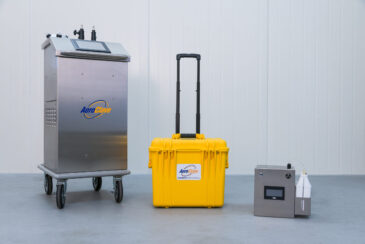
A strong environmental program doesn’t replace public-health guidance-it operationalizes it. If you’re formalizing protocols or evaluating decontamination technology as part of your outbreak-readiness plan, AeroClave can help you standardize, document, and sustain those practices.
Conclusion: staying ready for the Nipah virus
In conclusion, the Nipah virus is a high-fatality zoonotic threat carried by fruit bats that can spread to people directly or through pigs, contaminated foods, and close person-to-person contact. It appears most often in Bangladesh and India, with earlier outbreaks in Malaysia and Singapore. Illness can move quickly from fever and cough to severe respiratory distress and encephalitis, and there are no approved antivirals or vaccines-care is supportive, with diagnosis relying on RT-PCR during acute illness and ELISA later on. The most effective defenses remain practical ones: hand hygiene, safe fruit and sap practices, avoiding bat roosts and sick pigs, using PPE during caregiving, and strong infection-control protocols in healthcare and animal settings. To strengthen your organization’s environmental hygiene and outbreak readiness, contact AeroClave to learn how advanced, standardized decontamination can help protect your team and community.
Sign Up Below To Learn If AeroClave is Right For You
FAQs About Nipah virus
What is Nipah virus?
Nipah virus is a zoonotic paramyxovirus carried by fruit bats. It can infect pigs and people, and it can spread person to person through close contact and respiratory droplets.
Where do most outbreaks happen?
Since 2001, most outbreaks have been in Bangladesh, with periodic events in India. Earlier outbreaks occurred in Malaysia and Singapore.
How do people get infected with Nipah virus?
Common routes include eating bat-contaminated fruit or raw date palm sap, direct contact with infected pigs, or close contact with a sick person’s body fluids or droplets.
FAQs About AeroClave
Who is AeroClave?
AeroClave provides advanced decontamination systems and protocols for organizations focused on health, safety, and emergency response.
What types of places use these systems?
Common users include emergency services, healthcare facilities, schools, government agencies, and other organizations that need reliable environmental decontamination.
Do they replace basic cleaning?
No. They are used alongside routine cleaning and public health guidance. Follow local health authorities for mosquito control and travel recommendations.
Explore More Articles on Health and Safety
- Canine Coronavirus Explained: Keeping Dogs Safe
- Hantavirus Pulmonary Syndrome Prevention and Disinfection
- AeroClave Delivers Breakthrough Biosecurity Operation at Tinker AFB with JBADS Lite Decontamination of E-3 Sentry Aircraft
- Measles Outbreak Michigan: What You Need to Know
- Legionnaires Disease Outbreak in Harlem: What You Need to Know and How to Stay Safe
- Measles Outbreak Canada: Risk Factors and Safety
- Norovirus Outbreaks 2025: What You Need to Know
- Flu Brain Damage: Facts Every Parent Should Know
- What You Should Know About UVC Disinfection: The Hidden Risks
- Raw Milk Dangers: What You Need to Know Before You Drink
© 2026 AeroClave