You wake up queasy, sprint to the bathroom, and wonder what hit you. Here’s a quick reality check: reported norovirus outbreaks jumped to 2,675 in the 2024-2025 season among states tracking with CDC’s NoroSTAT program, a sharp rise over the prior year’s pace. That’s a big clue for anyone trying to tell norovirus vs food poisoning apart in real life. CDC
Both can cause vomiting and diarrhea, but they don’t start, spread, or last the same way-and the right response depends on which one you’re dealing with. We’ll cover simple timing cues, symptom patterns, and proven cleaning steps so you can quickly identify norovirus vs food poisoning, protect others, and get back on your feet faster.
norovirus vs food poisoning at a glance
When you line them up, the differences become easier to spot.
Timing (onset)
- Food poisoning: Often starts fast-within about 1 hour to 3 days after the culprit meal. Some causes can take longer, but quick onset after eating is a big clue.
- Norovirus (stomach bug): Usually 12-48 hours after exposure to a sick person, a contaminated surface, or contaminated food/water.
Core symptoms
- Both can cause nausea, vomiting, diarrhea, and stomach cramps.
- Norovirus often brings more intense vomiting, plus low-grade fever, headache, and fatigue.
- Food poisoning can include bloody or mucousy stools and more noticeable changes in stool color/texture, depending on the germ or toxin.
How they spread
- Food poisoning: Comes from contaminated food or drink (bacteria, viruses-including norovirus-parasites, or toxins).
- Norovirus: Spreads person-to-person, via contaminated surfaces, shared utensils, or contaminated food/water. Particles can also settle on surfaces after someone vomits.
Duration
- Food poisoning: Often hours to a couple of days, depending on the cause.
- Norovirus: Usually 1-3 days, but contagiousness can linger up to 2 weeks after symptoms stop.
norovirus vs food poisoning: why norovirus lingers
Norovirus is a leading cause of foodborne illness worldwide, and it’s infamous for rapid outbreaks in tight-knit spaces-classrooms, nursing homes, restaurants, cruise ships. Here’s why it’s so tough:
- Surface survival: Can remain infectious on surfaces for days to weeks.
- Cleaner resistance: Standard hand sanitizers and many household cleaners don’t work well.
- Heat tolerance: Can withstand temperatures up to ~145°F, so light steaming or “warm wipe-downs” won’t do.
Because of these traits, you need strict cleaning protocols and the right chemistries to shut it down.
Food poisoning basics (and the usual suspects)
“Food poisoning” is a broad label for illness from contaminated food or drink. It covers 250+ causes, but common culprits include norovirus, Salmonella, Clostridium perfringens, Campylobacter, and Staphylococcus (staph). Contamination can occur:
- On the farm/ranch
- At the processing plant
- In the store
- Or at home (improper storage/prep, cross-contamination)
norovirus vs food poisoning can look similar at first. Use timing clues (fast after a meal points to food poisoning; a day or two after exposure points to norovirus) and symptom details (bloody diarrhea suggests food poisoning; heavier vomiting and low-grade fever lean norovirus).
Step-by-step cleanup after vomiting or diarrhea (do this right away)
These steps reduce spread-especially for norovirus, which aerosolizes during vomiting and settles on nearby surfaces.
- Protect yourself: Put on disposable gloves.
- Remove debris: Use paper towels; avoid sweeping or vacuuming (that spreads particles).
- Disinfect thoroughly:
- Bleach solution: Mix 1 part bleach to 9 parts water.
- Contact time: Leave it wet for 5 minutes before wiping/rinsing.
- Hydrogen peroxide cleaners are also effective.
- Vital Oxide (EPA-registered, hospital-grade) is proven against norovirus and safe for routine use on most surfaces.
- Bleach solution: Mix 1 part bleach to 9 parts water.
- Dispose safely: Seal waste in plastic bags.
- Laundry care: Wash soiled linens/clothes in hot water; dry on high heat.
- Wash hands with soap and water for at least 20 seconds when done.
Tip: Disinfect high-touch zones (doorknobs, counters, faucets, toilets, remotes, phones) daily during illness and for several days after.
Daily prevention checklist (home, school, and work)
Use these habits every day-then double down during outbreaks.
- Handwashing (non-negotiable): Soap + water for 20 seconds, especially after the bathroom, before eating, after diaper changes, and after handling raw foods. Sanitizer alone isn’t enough for norovirus.
- Food safety:
- Wash produce well.
- Cook seafood to ≥145°F.
- Keep raw meats and ready-to-eat foods separate (boards, knives, containers).
- Refrigerate leftovers within 2 hours; keep fridge at ≤40°F.
- Wash produce well.
- Stay home if sick: Don’t prepare food for others or care for vulnerable people. Keep extra precautions for up to 2 weeks after symptoms stop (norovirus can still shed).
- Smart facility routines: In group settings (schools, clinics, cafeterias), schedule regular disinfection of bathrooms, dining areas, door hardware, and vehicle cabs.
norovirus vs food poisoning: simple “at-home triage”
When you want to make a quick, practical call:
- Did symptoms hit within hours of a specific meal?
That points to food poisoning.
- Did symptoms start a day or two after being around a sick person, a crowded event, or shared spaces?
That leans norovirus.
- Is the vomiting more intense and paired with low-grade fever and fatigue?
Likely norovirus.
- Is there bloody or mucousy diarrhea or unusual stool color/texture?
More consistent with food poisoning.
- Either way: Rest, hydrate (small sips, broths, electrolyte solutions), and start bland foods (bananas, rice, applesauce, toast). Avoid dairy, caffeine, alcohol, nicotine, and spicy foods until you’re fully better.
When to seek medical care
Most cases resolve without special treatment, but call your clinician or seek urgent care if you notice:
- Vomiting more than once an hour or more than 24 hours total
- Diarrhea lasting more than 3 days
- Fever higher than 101°F
- Severe abdominal pain
- Blood in stool
- Signs of dehydration: dizziness, dry mouth/tongue, infrequent urination
Extra caution for young children, older adults, and people with weakened immune systems.
norovirus vs food poisoning: proven tools that raise your odds
For homes and small offices, you can do a lot with soap-and-water handwashing, bleach (1:9), hydrogen peroxide cleaners, and careful laundry. In bigger or higher-risk spaces-schools, clinics, long-term care, food service-consider additional layers:
- Electrostatic sprayers for even coverage of approved disinfectants
- UV-C systems for added surface/air inactivation (as a complement to cleaning)
- HEPA filtration to reduce airborne particles during/after cleanup
- Whole-space application with hospital-grade disinfectants (including Vital Oxide) to reach hard-to-clean spots consistently
The goal is complete and consistent coverage-because missed corners often drive recurring outbreaks.
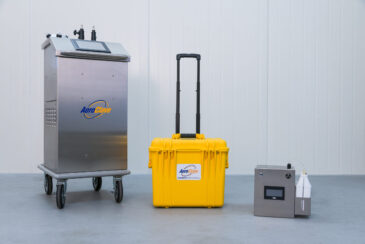
AeroClave decontamination: consistent whole-space coverage for norovirus vs food poisoning risks
In busy, shared environments, manual cleaning alone often leaves gaps. Automated whole-space application helps close those gaps and keep outbreaks from bouncing back.
How it works
- Uses a hospital-grade disinfectant delivered as a fine mist for even coverage across rooms, vehicles, and equipment surfaces.
- Reaches high-touch and hard-to-reach areas that wipes and spray bottles often miss.
- Designed to reduce human error and standardize results from space to space and shift to shift.
Why it matters for norovirus vs food poisoning
- Norovirus can persist on surfaces for days to weeks and is not reliably inactivated by standard hand sanitizers or light cleaning. Consistent, thorough coverage with an EPA-registered disinfectant is key.
- Food poisoning sources in kitchens, cafeterias, break rooms, and transport vehicles often involve cross-contamination. Whole-space disinfection reduces the bioburden on shared surfaces, equipment handles, and floors.
Where it fits best
- Healthcare areas and EMS vehicles between patient transports
- Schools, childcare, and school buses during outbreak season
- Food service prep areas, dining rooms, and restrooms
- Offices, gyms, and transit hubs with heavy daily traffic
A simple protocol to adopt
- Remove visible soil and trash first.
- Run the automated whole-space application with the approved disinfectant per label.
- Allow the proper contact time and dry time before re-entry.
- Reinforce with routine touch-point disinfection during the day and strict handwashing.
This layered approach pairs day-to-day hygiene with reliable, repeatable room-level decontamination, so you are not relying on memory or perfect technique during busy shifts.
Norovirus vs food poisoning: conclusion and next steps
In conclusion, norovirus vs food poisoning share many stomach-related symptoms, but key differences help you act fast: food poisoning often strikes within hours of a risky meal, while norovirus typically begins 12-48 hours after exposure to a sick person or contaminated surfaces; norovirus tends to cause more intense vomiting and can remain contagious for up to two weeks, whereas food poisoning may involve bloody or mucousy stools depending on the culprit. Put prevention first with soap-and-water handwashing, safe food handling, and consistent surface disinfection using proven chemistries (bleach 1:9 with 5-minute contact time, hydrogen peroxide options, or Vital Oxide), and use a simple at-home triage-timing, symptoms, and exposure-to guide care, hydration, and when to seek medical help. For schools, healthcare, EMS, food service, and other high-traffic spaces where complete, repeatable coverage matters, contact AeroClave today to learn how our advanced disinfection systems can protect your team and community.
Sign Up Below To Learn If AeroClave is Right For You
FAQs About norovirus vs food poisoning
What's the fastest way to tell norovirus vs food poisoning?
Check timing. If symptoms slam you within hours of a meal, think food poisoning. If they start 12-48 hours after exposure to a sick person or shared spaces, norovirus is more likely.
How long am I contagious with norovirus?
You may keep shedding the virus for up to 2 weeks after symptoms stop. Keep up strict handwashing and surface disinfection, and avoid cooking for others during that window.
Can I catch "food poisoning" from another person?
You don’t catch food poisoning from someone the way you catch norovirus; food poisoning is tied to contaminated food or drink.
FAQs About AeroClave
What is AeroClave?
An automated, hospital-grade disinfection solution that applies Vital Oxide as a fine mist for even, whole-room coverage-including hard-to-reach areas.
How do these systems help during norovirus outbreaks?
They standardize coverage and reduce human error, using a proven disinfectant effective against norovirus. That consistency helps cut down on missed spots that keep outbreaks going.
Where are these systems used?
Common deployments include healthcare settings (patient rooms, clinics, emergency vehicles), schools/childcare (classrooms, buses), food-service areas (kitchens, restrooms, dining), and public spaces (offices, gyms, transit hubs).
Explore More Articles on Health and Safety
- Canine Coronavirus Explained: Keeping Dogs Safe
- Hantavirus Pulmonary Syndrome Prevention and Disinfection
- AeroClave Delivers Breakthrough Biosecurity Operation at Tinker AFB with JBADS Lite Decontamination of E-3 Sentry Aircraft
- Measles Outbreak Michigan: What You Need to Know
- Legionnaires Disease Outbreak in Harlem: What You Need to Know and How to Stay Safe
- Measles Outbreak Canada: Risk Factors and Safety
- Norovirus Outbreaks 2025: What You Need to Know
- Flu Brain Damage: Facts Every Parent Should Know
- What You Should Know About UVC Disinfection: The Hidden Risks
- Raw Milk Dangers: What You Need to Know Before You Drink
© 2026 AeroClave