Superbugs like MRSA and klebsiella pneumoniae aren’t just hospital buzzwords anymore – they’re part of a growing global problem that kills people every day. In 2019, drug-resistant bacteria were linked to almost 5 million deaths worldwide, and two of the biggest offenders involved Staphylococcus aureus (the bug behind many MRSA infections) and klebsiella pneumoniae.
These superbugs are dangerous because the usual antibiotics often don’t work on them. MRSA can start as what looks like a simple skin bump and turn into a serious bloodstream or lung infection. klebsiella pneumoniae can cause pneumonia, UTIs, and life-threatening sepsis – and some strains carry extra resistance genes like NDM-1, creating NDM-1 Klebsiella that’s resistant to many of our strongest drugs.
The good news: there are clear ways to lower the risk – smarter antibiotic use, better hygiene, and more consistent cleaning and decontamination in homes, schools, gyms, ambulances, and hospitals.
This blog post will walk through what MRSA and NDM-1 Klebsiella pneumoniae are, why they’re so dangerous, and the practical steps you can take to help stop these superbugs from spreading.
What Are “Superbugs” and Why Do MRSA and klebsiella pneumoniae Matter?
“Superbug” is a simple way of saying “bacteria that resist many antibiotics.”
- MRSA is a type of Staphylococcus aureus that has learned to resist many beta-lactam antibiotics (like methicillin and similar drugs).
- klebsiella pneumoniae is a gram-negative bacterium that normally lives in your gut and respiratory tract but can cause serious infections when it gets into the lungs, blood, urinary tract, or wounds.
- Some klebsiella strains carry a resistance gene called blaNDM-1. Those are known as NDM-1 Klebsiella, and they can be resistant to nearly all common beta-lactam antibiotics, including carbapenems, which are usually “last resort” drugs.
Both MRSA and klebsiella pneumoniae are linked to severe infections, longer hospital stays, greater costs, and higher death rates. That’s why they’re such a big deal in public health and infection control.
MRSA: From Skin Bump to Serious Infection
How MRSA usually shows up
Most MRSA infections start on the skin. Common signs include:
- A red, swollen bump that looks like a pimple, ingrown hair, or spider bite
- The area feels warm and hurts to the touch
- Pus or drainage coming from the sore
- Fever or feeling generally unwell
These small bumps can quickly become deep, painful boils (abscesses) that may need to be drained by a healthcare provider. If MRSA escapes the skin, it can spread to:
- Bloodstream
- Lungs
- Heart valves
- Bones and joints
- Surgical wounds and implanted hardware
At that point, the infection can be life-threatening.
Who is most at risk of MRSA?
Based on the sources summarized earlier, higher-risk groups include:
- Hospitalized patients, especially those with:
- IV lines, catheters, dialysis ports, or artificial joints
- Recent surgeries or invasive procedures
- Residents of nursing homes and long-term care facilities
- People playing contact sports (wrestling, football, rugby, etc.)
- People living or working in crowded or unsanitary conditions (jails, shelters, some military housing)
- People who inject drugs
- People with weakened immune systems from conditions like HIV, cancer, or immune-suppressing medications
When to see a doctor for possible MRSA
Don’t wait it out if:
- A sore looks worse after 2-4 days instead of better
- You see red streaks moving away from the area
- The pain is much worse than you’d expect for something that looks “small”
- A child has an infected cut or bump plus fever
You can’t tell by eye whether a sore is MRSA or something else. A lab has to test a sample to know for sure, but you need to get seen quickly if things are getting worse.
klebsiella pneumoniae and NDM-1 Klebsiella: The ICU Superbugs
What klebsiella pneumoniae does in the body
klebsiella pneumoniae normally lives in the human gut and respiratory tract and also appears in soil and water. For many people it causes no problems at all. It becomes dangerous when it gets into places it doesn’t belong, such as:
- Lungs – causing pneumonia, sometimes with thick “currant jelly” sputum
- Urinary tract – UTIs that can move into the kidneys
- Abdomen – liver abscesses, peritonitis, and other serious infections
- Bloodstream – bacteremia and sepsis
- Central nervous system – meningitis
- Wounds and surgical sites – infections that slow healing and can spread
It hits hardest in people with other health problems: diabetes, liver or kidney disease, COPD, cancer, or heavy alcohol use, and in those with long hospital or ICU stays.
Why NDM-1 Klebsiella is especially dangerous
Some klebsiella pneumoniae strains produce an enzyme called NDM-1, a metallo-beta-lactamase. These strains are called NDM-1 Klebsiella and they’re bad news because:
- NDM-1 breaks down a wide range of beta-lactam antibiotics, including carbapenems.
- The gene (blaNDM-1) often lives on plasmids that can move between different bacteria.
- NDM-1 Klebsiella is usually resistant to many other antibiotic classes as well.
In practice, this means doctors often have only one or two drugs left that might work, and sometimes none. Infections with NDM-1 Klebsiella have been found in many countries and even in environmental samples like water and sewage.
Hypervirulent klebsiella pneumoniae
On top of resistance, there’s also hypervirulent klebsiella pneumoniae (hvKp):
- It can cause severe disease in otherwise healthy people.
- It’s linked to liver abscesses, eye infections (endophthalmitis), brain infections, necrotizing fasciitis, and widespread sepsis.
- It often carries special virulence plasmids and has a “hypermucoviscous” look in the lab.
- Some hvKp strains have now also picked up carbapenem resistance, creating extremely dangerous combinations, including NDM-1 Klebsiella with hypervirulence.
How MRSA and klebsiella pneumoniae Spread
How MRSA spreads in real-world settings
MRSA commonly spreads by:
- Direct skin-to-skin contact
- Contact with pus or fluid from infected sores
- Touching contaminated items like:
- Towels, razors, clothing, and uniforms
- Gym equipment, mats, benches, and desks
- Phones, keyboards, and other shared devices
- Poor hygiene in crowded spaces
People can carry MRSA on their skin or in their nose without knowing it and still pass it to others.
How klebsiella pneumoniae and NDM-1 Klebsiella spread
klebsiella pneumoniae and NDM-1 Klebsiella usually spread when:
- Healthcare workers or other people transfer bacteria on their hands
- Ventilators, catheters, lines, and other devices aren’t properly inserted, maintained, or removed
- Surfaces and equipment in hospitals, long-term care, and clinics aren’t cleaned properly
- There is fecal-oral spread or environmental contamination (water, soil, food) in some settings
They are not spread through casual breathing like measles, but they easily move through poorly controlled hands, devices, and surfaces.
Practical Ways to Cut Your Risk of MRSA and klebsiella pneumoniae
You don’t need a lab coat to reduce risk. You just need consistent habits.
Everyday actions anyone can take
Hand and body hygiene
- Wash hands often with soap and water for at least 20 seconds.
- Use an alcohol-based hand sanitizer (60%+ alcohol) when soap and water aren’t available.
- Shower after sports or heavy physical activity.
- Don’t share bar soap or towels.
Wound care
- Clean cuts, scrapes, burns, and bites right away.
- Keep wounds covered with clean, dry bandages until they heal.
- Don’t pick at scabs or “pop” boils.
- Throw used bandages into the trash and wash your hands afterward.
See a doctor quickly if a wound:
- Gets redder, hotter, more swollen, or more painful after a couple of days
- Starts draining pus
- Comes with fever or red streaks heading away from the site
Laundry and personal items
- Wash uniforms, towels, and workout clothes after every use.
- Use hot water and a dryer cycle when possible; add bleach if the fabric allows it.
- Don’t share:
- Towels and washcloths
- Razors
- Helmets, pads, or other gear that touches skin
- Ointments from open jars
High-Risk Settings: Schools, Sports, and Healthcare
Schools and daycares
MRSA can show up in schools and daycares, but one case doesn’t mean you need to shut down. Focus on:
- Regular cleaning of shared surfaces and equipment
- Teaching and enforcing handwashing
- Keeping cuts and scrapes clean and covered
- Sending kids with suspicious skin infections to a healthcare provider
School healthcare staff should notify parents and follow local health department guidance if they see signs of a possible MRSA outbreak.
Sports and athletic facilities
Athletes are at higher risk for MRSA skin infections because of:
- Constant skin-to-skin contact
- Shared equipment and surfaces
- Frequent minor cuts and turf burns
Key steps:
- Clean and disinfect shared equipment and benches daily.
- Make sure athletes shower after practice and games.
- Don’t share towels, razors, or personal gear.
- Keep wounds covered; if they can’t be covered and sealed, the player should sit out.
- Keep athletes with active infections out of whirlpools, therapy pools, and pools until they’re cleared.
Hospitals, long-term care, and clinics
This is where MRSA, klebsiella pneumoniae, and NDM-1 Klebsiella cause the most damage.
Important measures:
- Screen high-risk patients for MRSA or carbapenem-resistant organisms when appropriate.
- Put colonized or infected patients on Contact Precautions.
- Enforce hand hygiene before and after every patient contact.
- Use gloves and gowns with patients known or suspected to carry these organisms.
- Dedicate equipment when possible or thoroughly disinfect between patients.
- Clean high-touch surfaces (rails, tables, monitors, keyboards, door handles) on a strict schedule with proven disinfectants.
- Insert and remove catheters, central lines, and ventilators using strict sterile technique and remove them as soon as they’re no longer needed.
- Use antibiotics only when clearly needed and avoid overuse of drug classes that drive resistance.
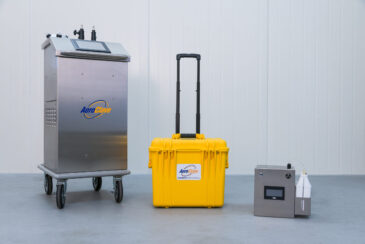
How AeroClave Helps You Fight MRSA and klebsiella pneumoniae
If you’re serious about controlling MRSA and klebsiella pneumoniae, you can’t rely on spray and wipe cleaning anymore. These superbugs survive on surfaces, move on hands and equipment, and take advantage of every gap in your routine. One missed corner in a rig, one rushed turnover in a bay or exam room, and you’ve given MRSA or even highly resistant strains like NDM-1 Klebsiella another chance to spread.
That’s where a structured, automated decontamination process matters. Instead of guessing if a room or vehicle is really ready for the next patient, you want a repeatable, documented process that treats all exposed surfaces and hard-to-reach areas the same way, every single time. That means less variation between crews, fewer missed spots, and a stronger defense against MRSA bloodstream infections, klebsiella pneumoniae and UTIs, and other resistant threats.
Think about the highest-risk areas in your world right now:
- Transport units and first-in vehicles
- Treatment rooms, resuscitation bays, or procedure rooms
- Holding areas, bunk rooms, day rooms, or training spaces
- Shared equipment, carts, and high-touch surfaces
Those are the exact kinds of spaces where MRSA and klebsiella pneumoniae can linger and then hit your most vulnerable patients and staff. The goal is simple: turn those areas from “unknown risk” into “treated and ready” with a process your infection control team trusts.
If you’re reading this and you’re responsible for safety, infection control, fleet, or operations, the next step is straightforward:
Scroll down and fill out the form on this page.
Use it to tell us what kind of environment you’re running (EMS, fire, hospital, clinic, long-term care, school, or other), how you’re handling decontamination today, and what worries you most about MRSA, klebsiella pneumoniae, or NDM-1 Klebsiella. Once you submit the form, you can start a real conversation about upgrading from manual, inconsistent cleaning to an automated, standards-based decontamination approach that actually supports the outcomes you’re responsible for.
Conclusion: Stopping MRSA and klebsiella pneumoniae Superbugs
In conclusion, MRSA and klebsiella pneumoniae are two of the most important superbugs we face today, causing serious infections in the skin, lungs, blood, urinary tract, and beyond-especially when resistance genes like NDM-1 turn klebsiella into NDM-1 Klebsiella that shrugs off many of our best antibiotics. The core defenses haven’t changed: strict hand hygiene, smart wound care, avoiding shared personal items, cleaning and disinfecting high-touch surfaces, managing invasive medical devices carefully, and using antibiotics only when truly needed all cut the chances these bacteria have to spread and cause damage. Facilities that take these steps seriously can protect patients, staff, students, athletes, and first responders from the worst outcomes of MRSA and klebsiella pneumoniae. Contact AeroClave today to learn how our advanced decontamination systems can protect your team and community.
Sign Up Below To Learn If AeroClave is Right For You
FAQs About Superbugs and Infection Control
FAQs About Superbugs and Infection Control
What is a superbug?
A superbug is a bacteria that resists many antibiotics. MRSA and resistant klebsiella pneumoniae (including NDM-1 Klebsiella) are good examples. They’re harder to treat and more likely to cause severe, prolonged infections.
Are MRSA and klebsiella pneumoniae always dangerous?
No. MRSA can live on the skin or in the nose without causing problems. klebsiella pneumoniae can live quietly in the gut and respiratory tract. They cause trouble when they get into places like blood, lungs, urinary tract, or wounds-especially in people who are already sick or have weak immune systems.
Can basic cleaning and handwashing really help against superbugs?
Yes. A huge amount of MRSA and klebsiella pneumoniae spread happens through hands, shared surfaces, and poorly managed equipment. Good hand hygiene, proper wound care, and consistent surface cleaning make it much harder for these organisms to jump from one person to another.
Is NDM-1 Klebsiella untreatable?
Not always, but it’s often very hard to treat. NDM-1 Klebsiella can resist many of our strongest antibiotics, so doctors may have only one or two options left, and sometimes none. Treatment needs careful lab testing and specialist input, and even then the risk of serious outcomes is high.
How do I know if I have a superbug infection?
You can’t tell just from symptoms. Skin, lung, or urinary infections caused by resistant and non-resistant bacteria can look similar. Lab tests are needed to know if MRSA, klebsiella pneumoniae, or another superbug is involved. What you can do is get care early if you have:
- A worsening skin infection
- High fever or chills
- Shortness of breath or chest pain
- Signs of sepsis (confusion, very fast heart rate, very low blood pressure)
FAQs About Our Role in Fighting Superbugs
How does your company help facilities deal with MRSA and klebsiella pneumoniae?
We focus on making it easier for facilities to build consistent, reliable decontamination into their daily operations. That means supporting structured, repeatable processes that treat both obvious and hard-to-reach surfaces where MRSA, klebsiella pneumoniae, and NDM-1 Klebsiella can hide, instead of relying solely on manual wiping and guesswork.
Do you replace standard infection control or work with it?
We work with existing infection-control programs, not against them. The aim is to support the hand hygiene, PPE, and antibiotic stewardship policies facilities already have by giving them stronger tools and processes for room and vehicle decontamination.
Who benefits most from solutions like yours?
Hospitals, long-term care facilities, EMS and fire services, clinics, schools, and athletic programs-anywhere you’ve got vulnerable people, shared spaces, and high turnover. Those are the environments where MRSA, klebsiella pneumoniae, and highly resistant strains like NDM-1 Klebsiella do the most damage if infection control isn’t tight.
Explore More Articles on Health and Safety
- Canine Coronavirus Explained: Keeping Dogs Safe
- Hantavirus Pulmonary Syndrome Prevention and Disinfection
- AeroClave Delivers Breakthrough Biosecurity Operation at Tinker AFB with JBADS Lite Decontamination of E-3 Sentry Aircraft
- Measles Outbreak Michigan: What You Need to Know
- Legionnaires Disease Outbreak in Harlem: What You Need to Know and How to Stay Safe
- Measles Outbreak Canada: Risk Factors and Safety
- Norovirus Outbreaks 2025: What You Need to Know
- Flu Brain Damage: Facts Every Parent Should Know
- What You Should Know About UVC Disinfection: The Hidden Risks
- Raw Milk Dangers: What You Need to Know Before You Drink
© 2026 AeroClave