
Each summer, millions flock to Florida’s beaches, but along with the sunshine and seafood comes a hidden risk. According to the CDC, about 80,000 cases of Vibrio infections occur in the U.S. every year, and Florida reports more than any other state. Known as flesh eating bacteria in Florida, Vibrio vulnificus has made headlines for causing severe and sometimes deadly infections. This post explains what flesh eating bacteria is, why Florida is a hotspot, and the steps you can take to protect yourself and your community.
What Is Flesh Eating Bacteria in Florida?
The term flesh eating bacteria in Florida refers mainly to Vibrio vulnificus, a member of the Vibrio family of bacteria. While several Vibrio species exist, this one is the most dangerous because it can cause necrotizing fasciitis-a severe infection that destroys skin, fat, and tissue around wounds.
This bacterium thrives in brackish water, which is a mix of salt and fresh water commonly found in estuaries, bays, and coastal areas. Florida’s warm climate makes it an ideal breeding ground, especially from May through October when water temperatures are highest.
Why Is Flesh Eating Bacteria in Florida So Dangerous?
Vibrio vulnificus infections are rare, but they can progress extremely fast. According to the CDC, about 1 in 5 people with this infection die, sometimes within 48 hours of the first symptoms.
The bacteria can enter the body in two main ways:
- Through wounds: Even a small cut or scrape exposed to contaminated water can allow the bacteria to infect deeper skin layers.
- Through seafood: Eating raw or undercooked shellfish, especially oysters, is a leading cause of Vibrio infections.
Once inside, the bacteria can cause:
- Skin breakdown and tissue death near a wound.
- Sepsis (a life-threatening blood infection).
- Severe gastrointestinal illness when ingested.
Cases of Flesh Eating Bacteria in Florida
While infections are rare, Florida has the highest rate of Vibrio cases in the United States. The Florida Department of Health tracks dozens of confirmed cases each year, and several result in death.
Recent examples highlight the risk:
- 2022 (Hurricane Ian): Flooding in Collier and Lee counties led to 74 cases and 17 deaths.
- 2024 (Hurricane Helene): Post-storm flooding caused 82 cases and 19 deaths across multiple counties.
- 2025 (as of August): 20 cases and 5 deaths have been reported in Bay, Broward, Hillsborough, and St. Johns counties.
Although these numbers seem small compared to Florida’s population, the speed and severity of infections make them a serious public health concern.
Symptoms of Flesh Eating Bacteria in Florida
The first signs of a Vibrio vulnificus infection can appear within 24 hours of exposure. Recognizing these early warning signals can make the difference between recovery and a life-threatening illness.
Common gastrointestinal symptoms (from eating contaminated seafood):
- Watery diarrhea
- Abdominal cramping
- Nausea and vomiting
- Fever and chills
Wound infection symptoms:
- Redness, pain, and swelling around a cut or scrape
- Warmth and discoloration of the skin
- Blistering lesions that leak fluids
- Rapidly spreading skin damage
Bloodstream infection symptoms:
- Fever and chills
- Dangerously low blood pressure
- Blistering skin lesions far from the original wound
- Signs of sepsis, including confusion and dizziness
Who Is Most at Risk?
Anyone can get flesh eating bacteria in Florida, but certain groups are at higher risk for severe complications:
- People with liver disease, diabetes, HIV, or cancer
- Those with weakened immune systems or on immune-suppressing therapy
- People with high iron levels in their blood (hemochromatosis)
- The elderly, young children, and pregnant individuals
- Anyone with open wounds, cuts, or burns exposed to coastal waters
How Is Flesh Eating Bacteria in Florida Diagnosed?
Doctors diagnose Vibrio infections by testing:
- Blood samples (if the infection is systemic).
- Wound cultures (if the infection entered through a cut).
- Stool samples (if the infection came from food).
Quick testing is critical because early treatment with antibiotics can save lives.
Treatment Options
Mild cases
- Usually treated with fluids and rest.
- Antibiotics are not always needed for mild gastrointestinal illness.
Severe cases
- Intravenous antibiotics to stop the infection.
- Surgery to remove infected tissue.
- In extreme cases, amputation may be required.
Because Vibrio infections spread so quickly, early medical care is essential. Waiting even a few hours can make the difference between recovery and life-threatening complications.
Prevention: How to Stay Safe
The good news is that you don’t have to avoid Florida’s waters or seafood altogether. Instead, follow these preventive steps:
When swimming or fishing:
- Avoid swimming in brackish water with open cuts or wounds.
- Cover scrapes with waterproof bandages.
- Wear protective footwear in shallow waters to prevent cuts.
- Shower after swimming to reduce exposure.
When eating seafood:
- Never eat raw or undercooked oysters or shellfish.
- Cook shellfish until the shells open and then boil or steam for several more minutes.
- Boil shucked oysters for at least 3 minutes or fry for 10 minutes at 375°F.
- Refrigerate seafood promptly and avoid cross-contamination in the kitchen.
The Role of Storms and Hurricanes
Hurricanes and tropical storms greatly increase the risk of flesh eating bacteria in Florida. Floodwaters spread brackish water inland, exposing more people to contaminated environments. Injuries from debris or storm cleanup can create open wounds that act as entry points for infection.
This is why infection spikes often follow major storms-more people are exposed, and health systems may be strained.
Why Advanced Disinfection Matters
Since Vibrio bacteria can survive on surfaces, in seafood processing facilities, and in flood-affected areas, environmental disinfection plays a vital role in prevention.
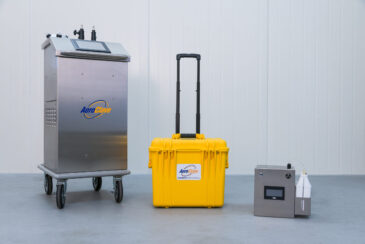
This is where solutions like AeroClave matter. AeroClave offers automated disinfection systems trusted by hospitals, first responders, and military units. By delivering hospital-grade disinfectants in a fine mist, AeroClave systems provide consistent, thorough coverage in both vehicles and facilities-helping to reduce the risk of pathogens like Vibrio vulnificus.
Conclusion: Protecting Yourself from Flesh Eating Bacteria in Florida
In conclusion, flesh eating bacteria in Florida is rare but dangerous, thriving in the state’s warm, brackish waters and raw seafood like oysters. Infections can develop quickly, causing severe illness or even death if not treated right away. The best defense is prevention-avoid raw shellfish, protect open wounds in coastal waters, and seek medical care immediately if symptoms appear. For organizations and communities, advanced disinfection is a key layer of protection. Contact AeroClave today to learn how our automated systems can help safeguard your team and environment from dangerous pathogens like Vibrio vulnificus.
Sign Up Below To Learn If AeroClave is Right For You
FAQs About Flesh Eating Bacteria in Florida
What is flesh eating bacteria in Florida?
It refers to infections caused by Vibrio vulnificus, a dangerous bacterium found in Florida’s warm, brackish waters and raw seafood.
How common is it?
About 150-200 cases occur annually in the U.S., with most reported in Gulf Coast states like Florida.
Can you die from it?
Yes. About 1 in 5 cases are fatal, often within 48 hours if not treated.
What foods put you at risk?
Raw or undercooked oysters, clams, and mussels are the most common culprits.
Who should be most cautious?
People with liver disease, diabetes, weakened immunity, or open wounds.
How can I reduce my risk?
- Avoid raw seafood.
- Keep wounds covered in coastal waters.
- Practice good kitchen hygiene.
- Seek immediate medical care if symptoms appear.
FAQs About AeroClave
What is AeroClave?
AeroClave is a U.S.-based company that designs advanced automated disinfection systems for healthcare, first responders, schools, and military use.
How does AeroClave work?
It disperses hospital-grade disinfectant in a fine mist to cover surfaces and the air, reaching areas that manual cleaning often misses.
Where is AeroClave used?
- Hospitals and clinics
- Fire and EMS vehicles
- Schools and universities
- Government and military facilities
Is AeroClave safe?
Yes. AeroClave uses EPA-registered, non-toxic disinfectants that are safe for people, animals, and equipment.
Why choose AeroClave?
Because it provides consistent, automated, and proven disinfection that helps organizations maintain safer environments and reduce risks from pathogens like Vibrio vulnificus.
Explore More Articles on Health and Safety
- Canine Coronavirus Explained: Keeping Dogs Safe
- Hantavirus Pulmonary Syndrome Prevention and Disinfection
- AeroClave Delivers Breakthrough Biosecurity Operation at Tinker AFB with JBADS Lite Decontamination of E-3 Sentry Aircraft
- Measles Outbreak Michigan: What You Need to Know
- Legionnaires Disease Outbreak in Harlem: What You Need to Know and How to Stay Safe
- Measles Outbreak Canada: Risk Factors and Safety
- Norovirus Outbreaks 2025: What You Need to Know
- Flu Brain Damage: Facts Every Parent Should Know
- What You Should Know About UVC Disinfection: The Hidden Risks
- Raw Milk Dangers: What You Need to Know Before You Drink
© 2026 AeroClave