Each year, norovirus infects an estimated 685 million people worldwide, making it one of the most contagious and disruptive viruses in circulation (NIH). This fast-spreading “stomach bug” continues to be a leading cause of foodborne illness, responsible for countless outbreaks in schools, nursing homes, restaurants, and cruise ships. With symptoms like vomiting, diarrhea, and stomach cramps, norovirus infections are not only unpleasant but also difficult to contain due to the virus’s ability to survive for days on surfaces and spread through even the smallest exposure.
This post explains what makes Norovirus 2025 so resilient, how it spreads, the best prevention and disinfection strategies, and why AeroClave remains the most effective solution for controlling outbreaks in high-risk environments.
What Is Norovirus 2025?
Norovirus 2025 refers to the most recent and dominant strains of the highly contagious virus that causes gastroenteritis, an inflammation of the stomach and intestines. Often nicknamed the “stomach flu,” norovirus is unrelated to influenza but is infamous for its severe gastrointestinal impact.
Common symptoms include:
- Nausea
- Vomiting
- Stomach cramps
- Diarrhea
- Fatigue and sometimes mild fever
Norovirus is the leading cause of foodborne illness in the U.S. and a major source of outbreaks worldwide. It spreads quickly in environments where people are close together and hygiene is difficult to control. Because it can survive for days on surfaces and is resistant to many common cleaners, norovirus requires strict and specialized cleaning protocols to eliminate effectively.
How Does Norovirus 2025 Spread?
Norovirus is one of the most contagious viruses known, with outbreaks often spreading rapidly in confined or shared environments.
Primary ways it spreads include:
- Person-to-person contact – touching or caring for someone infected.
- Contaminated food or water – especially undercooked seafood and unwashed produce.
- Shared surfaces and objects – door handles, countertops, bathrooms, and utensils.
- Airborne particles – when an infected person vomits, particles can settle on nearby surfaces.
Even a tiny dose of viral particles can cause illness, making norovirus outbreaks notoriously hard to contain.
How Long Does Norovirus 2025 Last?
- Incubation period: Symptoms appear 12-48 hours after exposure.
- Illness duration: Most cases last 1-3 days, but fatigue can linger longer.
- Contagious period: Individuals may continue spreading the virus up to 2 weeks after symptoms stop.
This long contagious window-combined with the virus’s ability to remain on surfaces for days-explains why schools, nursing homes, and restaurants often struggle with recurring outbreaks.
Why Is Norovirus So Hard to Kill?
Norovirus’s resilience makes it a serious challenge for both households and institutions.
- Surface survival: Remains infectious for days to weeks on surfaces.
- Resistant to cleaners: Many household disinfectants and standard hand sanitizers do not work.
- Heat tolerance: Survives temperatures up to 145°F, making steaming and mild heat cleaning ineffective.
Because of these properties, ordinary cleaning isn’t enough. Disinfectants like bleach solutions, hydrogen peroxide, and advanced automated systems are required to kill norovirus effectively.
How to Protect Yourself from Norovirus 2025
Wash Hands Thoroughly
Hand hygiene is the most important step in prevention. Wash with soap and water for 20 seconds, especially after using the restroom, before eating, and after handling food. Hand sanitizers alone do not work against norovirus.
Handle Food Safely
- Wash produce thoroughly.
- Cook seafood to at least 145°F.
- Avoid cross-contamination by using separate utensils and cutting boards for raw meats and ready-to-eat foods.
Stay Home if You’re Sick
If you’re experiencing symptoms, avoid preparing food for others or caring for vulnerable individuals. Even after you feel better, continue extra caution for at least 2 weeks.
Keep Surfaces Clean
Because norovirus can survive for days, regular disinfection of high-touch areas is essential.
Best methods include:
- Bleach solution: Mix 1 part bleach to 9 parts water and allow 5 minutes of contact time before rinsing.
- Hydrogen peroxide cleaners: Highly effective, safe for healthcare and food-prep areas.
- Vital Oxide: An EPA-registered, hospital-grade disinfectant proven to kill Norovirus. It is non-toxic, non-corrosive, and safe for daily use. When applied with AeroClave’s automated misting system, Vital Oxide ensures complete and even coverage, reaching every surface-including hard-to-clean areas.
- Avoid shortcuts: Steaming or surface wipes often fail to reach temperatures or coverage levels needed.
Focus on areas like doorknobs, countertops, bathrooms, and dining surfaces-especially if someone in the household is sick.
Take Extra Care Around Sick Individuals
- Avoid close contact with those infected.
- Do not share utensils, food, or personal items.
- Use gloves when cleaning up vomit or stool, and wash contaminated laundry with hot water and high heat drying.
- Promptly disinfect areas exposed to bodily fluids.
Stay Alert to Norovirus Outbreaks
Local health departments often release outbreak updates. If norovirus is spreading in your area:
- Increase disinfection frequency at home and work.
- Avoid crowded indoor environments if possible.
- Follow stricter handwashing and cleaning protocols in schools, workplaces, and healthcare settings.
Effective Disinfection Strategies for Norovirus 2025
Step 1: Immediate Cleanup
When someone vomits or has diarrhea:
- Wear disposable gloves.
- Use paper towels to remove debris.
- Disinfect the area thoroughly with bleach solution.
- Dispose of waste securely in plastic bags.
- Wash hands thoroughly after cleaning.
Avoid sweeping or vacuuming contaminated areas, as this can spread viral particles into the air.
Step 2: Specialized Disinfection Tools
In high-risk facilities like hospitals, nursing homes, and schools, additional protection methods include:
- HEPA filters: Capture airborne particles.
- UV-C light systems: Inactivate viruses on surfaces and in the air.
- Electrostatic sprayers: Evenly coat surfaces with disinfectants for full coverage.
Advanced Protection with AeroClave
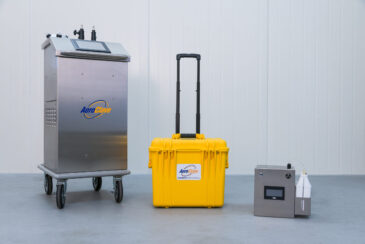
While manual disinfection helps, it’s often inconsistent-especially in large or high-traffic environments. AeroClave’s automated systems provide consistent, hospital-grade disinfection that eliminates human error.
How AeroClave Works
- Uses Vital Oxide, a proven hospital-grade disinfectant, delivered as a fine mist.
- Reaches every surface-including hidden or hard-to-clean areas.
- Safe, non-toxic, and non-corrosive for daily use.
AeroClave Benefits
- Highly effective: Kills norovirus and other pathogens with validated results.
- Fast action: Rapid turnaround for rooms, vehicles, or shared spaces.
- Trusted worldwide: The #1 best-selling disinfection system used by hospitals, first responders, schools, and the military.
Applications
- Healthcare: Patient rooms, clinics, emergency vehicles.
- Schools & childcare: Classrooms, cafeterias, buses.
- Food service: Kitchens, restrooms, dining areas.
- Public spaces: Offices, gyms, transportation hubs.
Norovirus 2025: Conclusion and Key Takeaways
In conclusion, norovirus 2025 is a serious public health challenge due to its contagious nature, environmental resilience, and resistance to many common disinfectants. Preventing outbreaks requires a combined approach:
- Practicing strong personal hygiene
- Handling food safely
- Disinfecting surfaces with proven solutions
- Using advanced disinfection systems in high-risk environments
For the most consistent and reliable protection, AeroClave provides automated, hospital-grade disinfection systems that eliminate pathogens effectively and give peace of mind in schools, healthcare facilities, and public spaces.
Contact AeroClave today to learn how our advanced disinfection systems can keep your team and community safe from norovirus 2025.
Sign Up Below To Learn If AeroClave is Right For You
FAQs About Norovirus
How does Norovirus spread?
Through contaminated food, water, surfaces, and close contact with infected individuals.
How long does Norovirus live on surfaces?
It can survive for days to weeks if not properly disinfected.
Does hand sanitizer work against Norovirus?
No-soap and water are the most effective defense.
How long do symptoms last?
Most people recover in 1-3 days, but they can remain contagious for up to 2 weeks.
FAQs About AeroClave
What is AeroClave?
An advanced disinfection system that uses automated misting of hospital-grade disinfectants.
Where can AeroClave be used?
Hospitals, schools, first responder vehicles, food service areas, and public facilities.
Why is AeroClave effective against Norovirus?
Its fine mist ensures complete coverage, reaching all surfaces and eliminating pathogens that manual cleaning often misses.
Is AeroClave safe?
Yes-AeroClave uses non-toxic, non-corrosive disinfectants that are safe for frequent use.
Explore More Articles on Health and Safety
- Canine Coronavirus Explained: Keeping Dogs Safe
- Hantavirus Pulmonary Syndrome Prevention and Disinfection
- AeroClave Delivers Breakthrough Biosecurity Operation at Tinker AFB with JBADS Lite Decontamination of E-3 Sentry Aircraft
- Measles Outbreak Michigan: What You Need to Know
- Legionnaires Disease Outbreak in Harlem: What You Need to Know and How to Stay Safe
- Measles Outbreak Canada: Risk Factors and Safety
- Norovirus Outbreaks 2025: What You Need to Know
- Flu Brain Damage: Facts Every Parent Should Know
- What You Should Know About UVC Disinfection: The Hidden Risks
- Raw Milk Dangers: What You Need to Know Before You Drink
© 2026 AeroClave