
As of August 2025, health agencies logged about 317,000 chikungunya cases and 135 deaths across 16 countries/territories, with activity spanning the Americas, Africa, Asia, and Europe ECDC. In the United States, there have been no locally acquired cases since 2019, but travelers have brought back 88 infections in 2025 as of September 30, reminding us that trip planning and bite prevention matter CDC.
chikungunya spreads through Aedes mosquitoes, hits fast with fever and tough joint pain, and has no specific antiviral treatment-so smart prevention, timely testing, and informed travel choices are key. This post explains what chikungunya is, where it’s showing up, symptoms and care, the latest on vaccines, practical prevention tips at home and on the road, and answers to common questions to help you protect your family.
Where Oropouche is spreading (2024-2025)
Oropouche has been known in parts of South America and the Caribbean for decades, especially around the Amazon basin. Since late 2023, Oropouche has expanded into new places and grown in case counts. Countries with local transmission have included Brazil, Bolivia, Colombia, Cuba, Guyana, Peru, the Dominican Republic, Panama, and Venezuela. Travel-related cases have been reported in the United States, Canada, Spain, Italy, Germany, Uruguay, and Chile.
In 2024, the region recorded over 16,000 cases. In 2025 (through mid-year), more than 12,000 confirmed cases were reported across 11 countries, with Brazil carrying the largest burden (including major activity in Espírito Santo and Rio de Janeiro). A few deaths and severe neurologic complications have been reported, and some fetal deaths are under investigation. Oropouche has also reached urban areas in some countries. Environmental drivers-like climate change, deforestation, and urbanization of forested zones-are thought to help biting midges thrive.
Oropouche symptoms and timeline
Incubation (time from bite to symptoms): 1-10 days.
Typical symptoms (often abrupt):
- High fever or chills
- Severe headache; pain behind the eyes
- Muscle aches and joint pain
- Nausea, vomiting, and sometimes rash
- Sensitivity to light or dizziness
- Some people also report cough or sore throat
How long it lasts: Most people improve in 2-7 days, though recovery can take up to 2-3 weeks for some. Oropouche can recur-up to a majority of patients reporting symptoms returning days to weeks later.
Severe disease (uncommon): A small fraction of people develop meningitis or encephalitis. Rare cases of Guillain-Barré syndrome have been reported. Death is rare but has occurred.
Oropouche in pregnancy: what’s known
There is no vaccine and no treatment to stop mother-to-fetus spread if infection occurs. Investigations in several countries have raised concerns about possible vertical transmission (during pregnancy or around birth), with reports of pregnancy loss, stillbirth, and birth defects (including microcephaly). The overall risk is not yet known, and studies are ongoing.
Travel advice for pregnancy:
- If you’re pregnant and considering travel to areas with Oropouche activity-especially places with Level 2 Travel Health Notices-reconsider nonessential travel.
- If you must go, strictly follow bite prevention during the trip and for 3 weeks after you return.
- Standard breastfeeding guidance continues: there are no reports of Oropouche virus spreading through breast milk, and EPA-registered repellents are considered safe when used as directed.
Sexual transmission? Oropouche virus has been detected in semen in individual reports. Confirmed sexual transmission hasn’t been documented, but as a precaution, some guidance suggests abstinence or barrier methods for 6 weeks if you or your partner travel to areas with travel notices.
How Oropouche spreads
- Primary vector: Biting midges (Culicoides paraensis).
- Other vectors: Some mosquitoes (including Culex and Aedes species).
- Cycles: A forest (sylvatic) cycle involving non-human primates, sloths, and possibly birds, and an urban cycle between insects and people.
- Human-to-human spread: Not confirmed by routine contact; possible sexual transmission remains under study.
How to protect yourself from Oropouche bites
Your best defense against Oropouche is bite prevention. Combine personal protection with environmental steps.
Personal protection (daily habits)
- Use EPA-registered insect repellents on exposed skin (examples include DEET, IR3535, and icaridin/picaridin). These are considered safe when used as directed, including in pregnancy and while breastfeeding.
- Wear long sleeves and long pants. Choose loose-fitting, tightly woven fabrics.
- Treat clothing and gear with permethrin (follow label directions); do not apply permethrin to skin.
- Sleep and rest in protected spaces. Air-conditioned rooms help. Use window and door screens. For midges, standard screens may not be enough-fine-mesh screens around 20×20 can help block these tiny insects.
- Time and place awareness. Biting midges can be active at dawn/dusk and near vegetated, damp zones. Use extra caution there.
Environmental steps (home, school, workplace)
- Seal entry points. Fix gaps around doors and windows.
- Improve screening. Consider finer mesh where midges are a problem.
- Reduce vegetative harborage. Trim dense foliage around buildings to lower resting sites for midges.
- Support local vector control. In some settings, residual insecticide on walls and targeted outdoor measures are used by authorities to lower vector populations.
Testing and diagnosis for Oropouche
Because Oropouche looks a lot like dengue, chikungunya, Zika, or even malaria, misdiagnosis is common. If you have symptoms and traveled to an affected area in the past few weeks, tell your healthcare provider.
How Oropouche is tested:
- RT-PCR (detects viral RNA): best in the first week of illness.
- PRNT (neutralizing antibodies): used later or if RT-PCR is negative; in pregnancy, paired blood tests (acute and convalescent) may be needed to confirm a four-fold rise in antibodies.
- No commercial rapid tests are currently available.
- Co-testing is often recommended for dengue (and sometimes chikungunya, Zika, malaria, and other local infections).
Public health coordination: In many places, Oropouche testing is arranged through state or local health departments. Some final confirmations can take time.
Treatment and when to seek care
There’s no specific antiviral for Oropouche. Most care is supportive:
- Rest and fluids to prevent dehydration.
- Acetaminophen for fever and pain.
Avoid aspirin and other NSAIDs until serious bleeding risks and dengue are ruled out.
Seek urgent care if you have warning signs, including:
- Severe headache, stiff neck, confusion, seizures, or other neurologic signs
- Unusual bleeding, severe vomiting, or inability to keep fluids down
- Pregnancy with symptoms after travel to an affected area
Oropouche risk for the United States
There have been travel-associated cases in the U.S. and Canada, but no sustained local spread in the continental U.S. has been detected. Climate, vector species, and lifestyle factors (like air conditioning) lower the risk of widespread transmission on the mainland. Risk in Puerto Rico and the U.S. Virgin Islands is not fully known.
Community actions that help
- Stay informed: Check Travel Health Notices before trips.
- Report illness: If you get sick after travel, tell your provider where you’ve been.
- Support surveillance: Health authorities are tracking Oropouche alongside other arboviruses (like dengue) to spot unusual events quickly.
- Back vector control: Community cooperation-reducing breeding and resting areas, reporting clusters, and following guidance-helps slow spread.
Conclusion: Oropouche Prevention Starts With Practical Steps
In conclusion, Oropouche is a vector-borne illness mainly spread by biting midges (and sometimes mosquitoes), now reported across parts of South America and the Caribbean with travel-linked cases elsewhere. Most people have sudden fever, severe headache, and body aches, and while symptoms usually improve in a week, Oropouche can recur days or weeks later. There’s no vaccine or specific treatment-care is supportive-so prevention is key: use EPA-registered repellents, wear long sleeves and pants, consider permethrin-treated clothing, and improve indoor protection with fine-mesh screens. Travelers and clinicians should think about timely testing (RT-PCR early; PRNT later), co-test for dengue where appropriate, and watch for rare neurologic issues or pregnancy risks. If your organization needs a stronger, layered readiness plan for vector-borne threats like Oropouche, contact AeroClave today to learn how our advanced decontamination systems can protect your team and community.
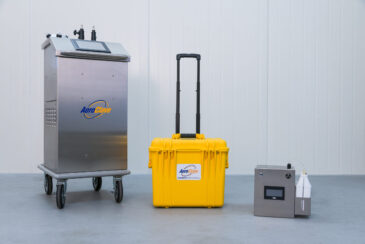
Sign Up Below To Learn If AeroClave is Right For You
FAQs About Oropouche
What is Oropouche?
Oropouche is a viral fever spread mostly by the bites of infected biting midges and, in some cases, mosquitoes. It causes sudden fever, headache, and body aches. Most people recover with rest, fluids, and fever control.
How long after a bite do symptoms start?
Typically 3-10 days. Symptoms often last 2-7 days, and many people feel better within a week-though some take 2-3 weeks. Recurrence of symptoms days to weeks later is common.
Can Oropouche come back after I feel better?
Yes. Relapses are reported frequently. The second episode usually looks like the first (fever, headache, aches).
FAQs About AeroClave
Who is AeroClave?
AeroClave provides advanced decontamination systems and protocols for organizations focused on health, safety, and emergency response.
What types of places use these systems?
Common users include emergency services, healthcare facilities, schools, government agencies, and other organizations that need reliable environmental decontamination.
Do they replace basic cleaning?
No. They are used alongside routine cleaning and public health guidance. Follow local health authorities for mosquito control and travel recommendations.
Explore More Articles on Health and Safety
- Canine Coronavirus Explained: Keeping Dogs Safe
- Hantavirus Pulmonary Syndrome Prevention and Disinfection
- AeroClave Delivers Breakthrough Biosecurity Operation at Tinker AFB with JBADS Lite Decontamination of E-3 Sentry Aircraft
- Measles Outbreak Michigan: What You Need to Know
- Legionnaires Disease Outbreak in Harlem: What You Need to Know and How to Stay Safe
- Measles Outbreak Canada: Risk Factors and Safety
- Norovirus Outbreaks 2025: What You Need to Know
- Flu Brain Damage: Facts Every Parent Should Know
- What You Should Know About UVC Disinfection: The Hidden Risks
- Raw Milk Dangers: What You Need to Know Before You Drink
© 2026 AeroClave