Tuberculosis doesn’t make headlines like COVID-19-but it should. In 2023 alone, an estimated 10.8 million people fell ill with TB worldwide, and 1.25 million died from it, according to the World Health Organization. Against that backdrop, the recent Tuberculosis Outbreak in Kansas has grabbed national attention, with dozens of active cases and many more latent infections identified over the last two years. Even though TB remains relatively rare in the U.S., the scale and duration of this Tuberculosis Outbreak in Kansas has raised serious questions about how prepared our public health systems really are.
In this post, we’ll break down what’s happening with the Tuberculosis Outbreak 2025, what tuberculosis is, why this outbreak matters for everyday people and organizations, and what practical steps you can take to protect your community and strengthen infection-control practices.
What Is Tuberculosis, in Simple Terms?
Tuberculosis (TB) is caused by a bacteria called Mycobacterium tuberculosis. It usually attacks the lungs, but it can also affect the brain, spine, kidneys, and other organs.
There are two main forms:
- Latent TB
- The bacteria are in your body.
- You have no symptoms.
- You can’t spread it to others.
- You can still develop active TB later if your immune system weakens.
- Active TB disease
- The bacteria are multiplying.
- You have symptoms.
- You can spread TB to others through the air.
Without treatment, active TB can be deadly. Globally, millions of people get TB every year, and over a million die from it. Even today, TB is still the leading cause of death from a single infectious agent in many parts of the world.
What’s Actually Happening in the Tuberculosis Outbreak 2025?
When people talk about the Tuberculosis Outbreak 2025, they’re usually referring to a few key trends happening at the same time:
- TB cases in the Americas have gone up by around 20% over the past decade.
- Every day in the region, roughly 900 people are diagnosed and about 100 people die from TB.
- TB has hit especially hard in vulnerable groups: people in prisons, people living in crowded housing, migrants, and people with weak immune systems.
On top of that, there have been visible clusters that grabbed headlines, including:
- The Tuberculosis Outbreak in Kansas
- TB cases reported in Maine, North Carolina, and California
- Rising case counts in countries across Latin America
So even though this is not a “panic” situation for the average person in the U.S., the Tuberculosis Outbreak 2025 is a serious signal that TB control systems are under pressure and need to be strengthened.
A Closer Look at the Tuberculosis Outbreak in Kansas
The Tuberculosis Outbreak in Kansas is one of the biggest TB clusters the U.S. has seen in decades.
Key points:
- It began around January 2024 in Kansas City, Kansas, and nearby counties.
- By early 2025, there were 147 people diagnosed with TB linked to this outbreak.
- 67 people had active TB disease (symptoms and contagious).
- 80 people had latent TB infection (no symptoms, not contagious).
- The outbreak hit low-income communities especially hard. At least two people died.
At the same time, public health teams went all-in:
- Extensive contact tracing
- Free testing for close contacts
- Free treatment for both active TB and latent TB
- Ongoing follow-up to make sure people finished their medications
By April 2025, no new active TB cases were linked to the Tuberculosis Outbreak in Kansas, and by November 2025 it was officially declared over. That’s a big success story, but also a warning. It shows how easily things can snowball when TB isn’t caught early.
How Does TB Spread in 2025?
TB spreads through the air, not through surfaces or casual touch.
Here’s how it works:
- Someone with active TB in their lungs coughs, speaks, sings, or even laughs.
- Tiny droplets carrying the bacteria float in the air.
- In a poorly ventilated space (small apartment, shelter, prison cell, crowded bus), those droplets can hang around for a while.
- If you breathe them in, you can become infected.
Important details:
- TB does not spread by:
- Shaking hands
- Sharing dishes
- Using the same toilet
- Touching bedding or doorknobs
- Prolonged, close indoor contact is usually needed for infection.
- People with latent TB are not contagious. Only active lung TB spreads infection.
In the Tuberculosis Outbreak in Kansas, many people were found through contact tracing after spending time in close quarters or households with someone who had active TB.
Common Symptoms to Watch for in the Tuberculosis Outbreak 2025
You won’t feel anything with latent TB. That’s why testing is so important in high-risk groups.
For active TB disease, especially in the lungs, watch for:
- Cough lasting more than three weeks
- Coughing up mucus or blood
- Chest pain or trouble breathing
- Fever and chills
- Night sweats (waking up with soaked sheets or clothes)
- Unexplained weight loss
- Feeling tired and weak all the time
If you’ve been in a setting connected to the Tuberculosis Outbreak 2025 (for example, living with someone diagnosed with TB, working in a shelter or jail, or living in an affected community) and you notice these symptoms, don’t wait. Call your doctor or local health department and ask about TB testing.
Who Is Most at Risk in the Tuberculosis Outbreak 2025?
Not everyone faces the same level of risk. The Tuberculosis Outbreak in Kansas and other clusters in the Americas have followed a familiar pattern: TB hits hardest where people are already vulnerable.
Higher-risk groups include:
- People with HIV
- People with diabetes, severe kidney disease, or certain cancers
- People taking immunosuppressive medications (for transplant, autoimmune disease, chemotherapy, etc.)
- People who:
- Live or work in prisons, jails, or detention centers
- Live in homeless shelters or crowded housing
- Work in healthcare or long-term care facilities
- People who are undernourished or living in deep poverty
- People who smoke heavily or drink large amounts of alcohol
In some Latin American countries, up to 57% of TB cases in certain areas are among people in prison systems, and an estimated one-third of all TB cases in the region are linked to incarceration. That’s how strongly TB is tied to crowding and lack of basic health access.
How Doctors Test for TB Today
Testing is critical to managing the Tuberculosis Outbreak 2025. Doctors use several tools, often in combination.
Screening for Infection
- Tuberculin Skin Test (TST / Mantoux test)
- A small amount of fluid is injected just under the skin.
- After 2-3 days, the area is checked for a raised bump.
- A certain size reaction suggests TB infection.
- IGRA Blood Test
- A blood sample is taken and checked for a specific immune response to TB.
- This test is more specific and isn’t thrown off by BCG vaccination.
These tests tell you if your immune system has seen TB, but not whether it’s latent or active.
Confirming Active TB Disease
If active TB is suspected, doctors may use:
- Chest X-rays to look for lung damage or typical TB patterns.
- Sputum tests (mucus you cough up) to look for the bacteria directly.
- Culture tests, which grow TB bacteria in the lab (more accurate but slow).
- Rapid molecular tests, which can detect TB and some drug resistance in a few hours.
In some prisons and high-risk communities in the Americas, AI-assisted chest X-ray tools are now being used to screen large groups of people quickly. These tools helped triple detection rates in some prison settings and are an important part of the response to the Tuberculosis Outbreak 2025.
Why TB Treatment Takes So Long
TB bacteria are slow-growing and tough. That’s why treatment is measured in months, not days.
Typical treatment for drug-susceptible active TB:
- Intensive phase (first 2 months)
- Usually 4 antibiotics are taken daily.
- Continuation phase (next 4 months)
- Usually 2 antibiotics.
For latent TB, there are shorter preventive regimens, such as:
- Two drugs daily for 1 month,
- Two drugs weekly for 3 months, or
- One drug daily for 4-6 months.
If TB is drug-resistant (MDR-TB or XDR-TB), treatment can:
- Last 18-20 months or more.
- Involve more toxic, expensive medicines.
- Be much harder on the patient.
Stopping early or skipping doses is dangerous. It:
- Lets the bacteria survive and come back.
- Increases the chance of drug resistance.
- Makes future treatment slower, harsher, and more expensive.
Public health teams know this, which is why, in outbreaks like the Tuberculosis Outbreak in Kansas, they often send nurses or outreach workers to check in, provide support, or even directly observe people taking their medication.
What You Can Do During the Tuberculosis Outbreak 2025
You don’t control global policy, but you do control your own risk and behavior. Here’s what actually helps:
1. Know Your Risk
You should strongly consider TB testing if:
-
- You live or work in:
- Prisons, jails, or detention centers
- Homeless shelters
- Crowded group housing
- You’ve spent prolonged time with someone diagnosed with active TB.
- You have HIV, diabetes, cancer, or take immune-suppressing drugs.
- You live or work in:
- You have lived in or recently traveled to a country with high TB rates.
2. Get Tested if You’ve Been Exposed
If you were in an area linked to the Tuberculosis Outbreak 2025, contact your doctor or local health department and ask about TB testing. Many health departments test and treat TB for free if you’re uninsured or underinsured.
3. Take Treatment Seriously
If you’re diagnosed with latent or active TB:
-
- Take your full course of medication, exactly as prescribed.
- Tell your provider about any side effects before you decide to stop on your own.
- Ask if there is a nurse, case manager, or program that can help you stay on track.
4. Support Public Health Measures
If health workers reach out about contact tracing:
- Answer their questions honestly.
- Encourage friends or family who are called to get tested.
Their work is a big part of why the Tuberculosis Outbreak in Kansas could be brought under control and officially closed.
The Role of Technology and Innovation in Tuberculosis Outbreak 2025
The situation is serious, but there are reasons for hope. New tools are already reshaping how TB is found and treated:
- AI-assisted radiography: Helps health teams quickly screen chest X-rays in prisons and remote areas, catching TB earlier.
- Rapid molecular tests: Detect TB and some drug resistance in a couple of hours instead of weeks.
- Shorter all-oral regimens for drug-resistant TB: Some newer treatments offer a 6-month oral option instead of a 2-year ordeal with injections.
- Telehealth and community support: Make it easier for patients to get follow-up care and stay on treatment, even if they live far from clinics.
Global health organizations are pushing countries to expand these tools fast. The Tuberculosis Outbreak 2025 is a clear signal: waiting is not an option.
Take the Next Step: Talk to Us About Your TB Preparedness
If the Tuberculosis Outbreak 2025 and events like the Tuberculosis Outbreak in Kansas have raised questions about how prepared your organization really is, don’t just file this away and move on. The safest move is to start a real conversation about your environment, your risks, and your current infection control process.
Use the contact form below this article to tell us a little about your facility, the types of spaces you manage, and the challenges you’re facing. A member of our team will review your details and reach out to:
- Walk through your specific use case and day-to-day workflow
- Identify gaps or weak spots in your current TB and respiratory disease protocols
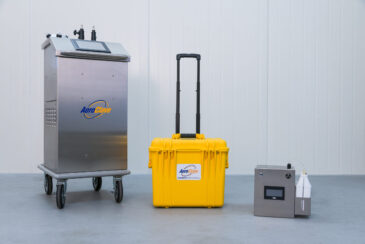
- Outline how AeroClave can fit into your existing processes-not replace them-to support a stronger, more consistent disinfection strategy
Whether you’re responsible for a hospital, EMS fleet, correctional facility, shelter, clinic, or any other high-risk environment, the goal is simple: give you a clear, practical roadmap for tightening up your infection control before the next headline hits.
Fill out the contact form below now, and let’s see exactly how our solutions can help you strengthen your response in the face of the Tuberculosis Outbreak 2025 and future threats.
Conclusion: What the Tuberculosis Outbreak in Kansas Means Going Forward
In conclusion, the Tuberculosis Outbreak in Kansas is more than just a local health story-it’s a warning sign about how fragile our public health systems can be when early detection, contact tracing, and long-term follow-up start to slip. We’ve seen how TB spreads through the air, why people with weakened immune systems and those in crowded settings are at higher risk, and how long, complicated treatment makes it critical to catch cases early and support patients so they can finish their medications. The Tuberculosis Outbreak in Kansas also highlights how important it is for organizations-especially healthcare facilities, correctional institutions, shelters, and other high-risk environments-to take infection prevention seriously, invest in better air and surface disinfection, and work hand-in-hand with public health authorities to stop transmission before it grows.
If you’re responsible for keeping people safe in your facility and want to improve your infection-control strategy in a real, practical way, now is the time to act-not after the next outbreak hits the news. Reach out to AeroClave to learn how their solutions can support your TB and respiratory infection-prevention plans and help you build a safer, more resilient environment for the people who count on you.
Sign Up Below To Learn If AeroClave is Right For You
FAQs About Tuberculosis Outbreak 2025
Is the Tuberculosis Outbreak 2025 a national emergency?
No, not in the sense of a COVID-style national shutdown. However, the Tuberculosis Outbreak 2025 is serious because TB cases have risen after years of decline, and clusters like the Tuberculosis Outbreak in Kansas show how quickly control can weaken. It’s a major public health warning, especially for vulnerable communities.
What caused the Tuberculosis Outbreak in Kansas?
There wasn’t a single “cause” like contaminated food. The Tuberculosis Outbreak in Kansas came from a mix of factors: existing TB cases that weren’t caught early, people living in crowded or low-resource conditions, and gaps in healthcare access and follow-up. Once a few active cases were missed, the bacteria had time to spread silently before the outbreak was recognized and controlled.
How worried should I be if I live near an affected state?
If you’re in the general population with no specific risk factors, your personal risk is still low. But if you:
- Live or work in crowded group settings
- Have a weak immune system
- Have close contact with someone diagnosed with active TB
then you should talk to your doctor or local health department about testing. The Tuberculosis Outbreak 2025 is more about targeted concern and smart action than general panic.
Is TB in 2025 more dangerous than before?
The bacteria itself is not “new,” but a few things make TB more dangerous today:
- Drug-resistant TB is more common than in the past.
- Health systems in many places are still recovering from COVID-19 disruptions.
- Missed diagnoses and delayed treatments in recent years allowed more TB to spread.
That said, we have better diagnostics and treatment options than ever before. The key is actually using them and funding TB programs properly.
How long will the Tuberculosis Outbreak 2025 last?
There’s no calendar end date. TB doesn’t behave like a short-term flu wave. Think of the Tuberculosis Outbreak 2025 as a period where rising case numbers and visible clusters have exposed weaknesses in TB control. How long this lasts depends on how fast countries invest in testing, treatment, prison health, and community support.
FAQs About AeroClave and TB-Related Infection Control
What does AeroClave do in the context of diseases like TB?
AeroClave provides technology designed to help facilities standardize and automate environmental disinfection as part of a broader infection control strategy. While it does not diagnose or treat tuberculosis-that is always handled by medical providers and public health-it can play a supporting role in reducing overall environmental risk when facilities are upgrading their cleaning and infection-prevention protocols during outbreaks and routine operations.
Can this company’s products replace medical treatment for TB?
No. Nothing can replace proper medical evaluation, testing, and antibiotic treatment for TB. Environmental disinfection systems are meant to support infection control, not stand in for clinical care. If you suspect TB exposure or symptoms, your next step should always be a doctor or your local health department, not a piece of equipment.
What types of customers typically work with this company?
Customers are usually organizations that manage higher-risk environments: hospitals, EMS agencies, clinics, emergency management teams, and other facilities that need consistent, repeatable disinfection processes. These teams often look for tools that fit into existing protocols and help prove they’re taking environmental hygiene seriously in the face of threats like the Tuberculosis Outbreak 2025 and other infectious risks.
Explore More Articles on Health and Safety
- Canine Coronavirus Explained: Keeping Dogs Safe
- Hantavirus Pulmonary Syndrome Prevention and Disinfection
- AeroClave Delivers Breakthrough Biosecurity Operation at Tinker AFB with JBADS Lite Decontamination of E-3 Sentry Aircraft
- Measles Outbreak Michigan: What You Need to Know
- Legionnaires Disease Outbreak in Harlem: What You Need to Know and How to Stay Safe
- Measles Outbreak Canada: Risk Factors and Safety
- Norovirus Outbreaks 2025: What You Need to Know
- Flu Brain Damage: Facts Every Parent Should Know
- What You Should Know About UVC Disinfection: The Hidden Risks
- Raw Milk Dangers: What You Need to Know Before You Drink
© 2026 AeroClave