Why this matters right now
The West Nile Virus Outbreak is back in the headlines, and last year showed why: in 2023 the U.S. logged 2,628 West Nile cases, with 2,022 hospitalizations and 208 deaths, making up 95% of all reported arboviral diseases nationwide.The CDC also notes that West Nile remains the leading mosquito-borne disease in the contiguous U.S., which means risk rises through late summer and fall. CDC
Across recent local reports, communities are seeing first human cases, positive mosquito traps, and even fatalities-clear signs the West Nile Virus Outbreak demands simple, steady prevention. This post explains what’s happening now, how the virus spreads, who’s at higher risk, and the exact steps-at home, at work, and in your community-to lower exposure, plus how AeroClave fits into a comprehensive indoor hygiene plan.
What local health departments are reporting
Louisville, Kentucky
- Cases: 9 human cases in 2025; 7 hospitalizations.
- Who is affected: All patients have been adults 40-70.
- Deaths: None reported to date.
- Trend: Higher than most recent years.
- Prevention tips highlighted: Use EPA-registered repellent (DEET, picaridin, IR3535, or oil of lemon eucalyptus), wear long sleeves/pants at dawn and dusk, remove standing water, repair window and door screens.
Temple, Texas (Bell County)
- Mosquito activity: A south Temple mosquito trap tested positive for West Nile-first positive trap of the season in the county.
- Program: Detected through the county’s Vector program; confirmed by state lab results.
- Official reminder: Risk is present; small steps like draining standing water and using repellent help.
- Quick prevention framework: The “3-Ds” Drain standing water, Defend with repellent, Dress in long sleeves/pants.
Kings County, California
- Human impact: The county reported its first West Nile-related death of the year.
- Case count: Five human cases in 2025 so far.
- Context: Announcement comes weeks after a neighboring county also reported its first death of the year.
- Reminder: West Nile is spread by the bite of an infected mosquito.
Northern Milwaukee County, Wisconsin
- First human case in the North Shore area confirmed.
- Seasonality and risk: Risk continues until mosquitoes are no longer active, typically after a hard frost (below 28°F for at least 4 hours).
- Illness profile: About 80% of infected people don’t get sick. Most symptomatic cases are mild (fever, headache, muscle aches, rash, fatigue). Fewer than 1% develop severe illness (high fever, weakness, stiff neck, confusion, tremors, paralysis, coma).
- Higher-risk groups: Older adults and people with weakened immune systems.
West Nile Virus Outbreak: what it is and how it spreads
West Nile virus spreads through the bite of an infected mosquito. Mosquitoes often become infected after feeding on infected birds. There is no person-to-person transmission. During a West Nile Virus Outbreak, the best defense is to avoid bites and remove breeding sites around your home and workplace.
Symptoms to watch during a West Nile Virus Outbreak
- Common (often mild): Fever, headache, body aches, fatigue, rash, and swollen lymph nodes.
- Severe (rare, <1%): High fever, muscle weakness, stiff neck, confusion, disorientation, tremors, paralysis, coma, and-rarely-death.
- Who’s at higher risk: People 50+ and those who are immunocompromised face a higher risk of severe illness.
If you develop symptoms and suspect exposure, contact your healthcare provider.
Your step-by-step plan to lower risk today
1) Use the right repellent (Defend)
Choose an EPA-registered repellent. Local health departments highlight:
- DEET
- Picaridin
- IR3535
- Oil of lemon eucalyptus
Apply as directed to exposed skin and clothing. In some advisories, officials also recommend treating clothing with permethrin (don’t apply permethrin to skin).
2) Dress for protection (Dress)
When you can, wear long sleeves, long pants, and socks-especially at dawn and dusk, when the mosquitoes that spread West Nile are most active. Loose-fitting layers help reduce bites through fabric.
3) Drain standing water weekly (Drain)
Mosquitoes need water to breed. Tackle these spots:
- Flowerpots, plant saucers, buckets, kiddie pools, wheelbarrows, boats (turn over when not in use)
- Roof gutters and downspouts (keep them clear)
- Pool covers (drain collected water)
- Birdbaths and pet dishes (refresh at least every 3 days)
- Discarded tires and containers (remove or empty)
- Outdoor saunas and hot tubs (keep clean and chlorinated)
4) Keep mosquitoes out of your home
- Install or repair door and window screens; make sure they’re tight-fitting.
- Trim tall grass and weeds-mosquitoes rest in shaded, overgrown areas.
5) Adjust outdoor time
If you can, reschedule outdoor activities away from evening and early morning, or increase your protective measures during those windows.
6) Stay the course until a hard frost
Officials stress that risk continues until mosquitoes stop flying-commonly after a hard frost (below 28°F for at least four hours). Keep your West Nile Virus Outbreak precautions in place until then.
What the West Nile Virus Outbreak looks like now
Louisville Metro (Jefferson County, KY)
- 2025: 9 cases; 7 hospitalizations; adults 40-70; no deaths reported to date.
- Historical context (select years):
- 2024: 1
- 2023: 7
- 2022: 3
- 2021: 1
- 2020: 0
- 2019: 2
- 2018: 5
Action to take: Follow the repellent + long sleeves/pants + drain standing water + repair screens approach.
Temple, TX (Bell County)
- Signal: First positive mosquito trap of the season (south Temple), confirmed by state lab.
- Action to take: Apply the 3-Ds Drain, Defend, Dress-and monitor county updates.
Kings County, CA
- Impact: First WNV death this year and five human cases total reported so far.
- Action to take: Maximize bite prevention and reduce breeding sites; seek care promptly if symptoms develop.
Northern Milwaukee County, WI
- Status: First human case in the North Shore area.
- Action to take: Keep protections in place through the fall-risk continues until a hard frost.
West Nile Virus Outbreak: practical checklists you can use
Household weekly checklist
- Empty and scrub birdbaths/pet bowls (every ≤3 days)
- Dump standing water from plant saucers, buckets, toys, tarps, boats
- Clear gutters and downspouts
- Tighten/repair window and door screens
- Store or turn over wheelbarrows and kiddie pools
- Skim and chlorinate pools, hot tubs, and outdoor saunas
Personal protection checklist
- Carry DEET/picaridin/IR3535/oil of lemon eucalyptus repellent
- Treat clothing with permethrin where recommended (not for skin)
- Wear long sleeves, long pants, socks at dawn/dusk
- Consider rescheduling outdoor activities during peak mosquito times
Workplace and community tips during a West Nile Virus Outbreak
- Property managers & schools: Inspect grounds weekly; remove standing water; maintain landscaping to reduce shaded resting zones.
- Event organizers: Add visible signage: “Use repellent,” “Cover up at dusk,” and “Drain water from containers.” Offer repellent stations at entrances.
- Public facilities: Ensure screens are intact; audit gutters and roof drains; refresh birdbaths and pet bowls on schedule.
When to contact a healthcare provider
- If you develop fever, headache, body aches, rash, or fatigue and had recent mosquito exposure, consider reaching out to your provider.
- Seek immediate care if you notice severe symptoms such as stiff neck, confusion, difficulty moving, tremors, or extreme weakness.
How AeroClave Strengthens Your West Nile Virus Outbreak
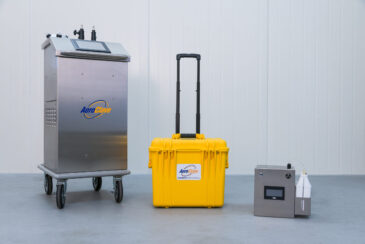
Outdoor mosquito control comes first; indoors you still need fast, consistent hygiene. AeroClave adds a reliable indoor layer to your West Nile Virus strategy by killing mosquitos using EPA-registered Vital Oxide. Choose the setup that fits your use case from the Hydra multi room unit to our flagship RDS 3110 Model we have a solution that fits your needs.
If you manage stations, clinics, classrooms, offices, or fleets, we’ll map your spaces, train your team, and get you running quick turnarounds that keep operations ready through peak West Nile Virus outbreak. Tell us your facility type, number of rooms/vehicles, and goals (faster turnarounds, audit-ready records, surge readiness). Contact AeroClave today to learn how our advanced decontamination systems can protect your team and community.
Conclusion: West Nile Virus Outbreak – What to Do Now
In conclusion, the West Nile Virus Outbreak remains active across several communities, with reports ranging from first human cases and positive mosquito traps to confirmed fatalities. Risk continues until a hard frost, so stay vigilant: use EPA-registered repellents (DEET, picaridin, IR3535, or oil of lemon eucalyptus), wear long sleeves and pants at dawn and dusk, repair window and door screens, and drain standing water weekly. Remember that most infections are mild, but severe illness can occur-especially in older adults and those with weakened immune systems-so contact a healthcare provider if symptoms develop. Keep these steps in place, monitor local health updates, and take simple, steady actions to reduce exposure during the West Nile Virus Outbreak. Contact AeroClave today to learn how our advanced decontamination systems can protect your team and community.
Sign Up Below To Learn If AeroClave is Right For You
West Nile Virus Outbreak FAQs
What is the West Nile Virus Outbreak?
A West Nile Virus Outbreak refers to increased local activity of West Nile virus, shown by human cases and/or positive mosquito tests. Several U.S. counties have recently reported new activity.
How does West Nile spread?
Through the bite of an infected mosquito. Mosquitoes pick up the virus from infected birds. There’s no person-to-person spread.
Who is at higher risk of severe illness?
Older adults and people with weakened immune systems face a higher chance of severe disease.
What are the most common symptoms?
Many people-about 80%-have no symptoms. Others may have fever, headache, muscle aches, fatigue, and rash. Severe illness (in <1% of cases) can include high fever, weakness, stiff neck, confusion, tremors, paralysis, or coma.
FAQs About AeroClave
Who is AeroClave?
AeroClave provides advanced decontamination solutions that help organizations strengthen infection control practices.
What types of places use these systems?
Common users include emergency services, healthcare facilities, schools, government agencies, and other organizations that need reliable environmental decontamination.
Do they replace basic cleaning?
No. They are used alongside routine cleaning and public health guidance. Follow local health authorities for mosquito control and travel recommendations.
Explore More Articles on Health and Safety
- Canine Coronavirus Explained: Keeping Dogs Safe
- Hantavirus Pulmonary Syndrome Prevention and Disinfection
- AeroClave Delivers Breakthrough Biosecurity Operation at Tinker AFB with JBADS Lite Decontamination of E-3 Sentry Aircraft
- Measles Outbreak Michigan: What You Need to Know
- Legionnaires Disease Outbreak in Harlem: What You Need to Know and How to Stay Safe
- Measles Outbreak Canada: Risk Factors and Safety
- Norovirus Outbreaks 2025: What You Need to Know
- Flu Brain Damage: Facts Every Parent Should Know
- What You Should Know About UVC Disinfection: The Hidden Risks
- Raw Milk Dangers: What You Need to Know Before You Drink
© 2026 AeroClave