
West Nile Virus activity is rising across the U.S. this season. As of late August, national surveillance (ArboNET) tallied 433 total human cases, including 257 neuroinvasive cases, spread across 34 states. Recent local updates echo the trend: officials confirmed two human cases in New Jersey, 20 cases and two deaths in Minnesota, the first human case of the summer in Placer County, CA, and positive mosquito traps in Rocky River, OH. This guide explains what West Nile Virus is, what symptoms to watch for, where it’s showing up, and how to protect your family-today.
West Nile Virus Basics: Spread, Season, and Risk
West Nile Virus is carried by mosquitoes. Most people never feel sick, but some develop severe illness affecting the brain and nervous system. Because there’s no cure, prevention is your best defense.
How West Nile Virus spreads
- Mosquito bites: Infected mosquitoes-often species in the Culex group-transmit West Nile Virus to people.
- Bird-mosquito cycle: Mosquitoes become infected by feeding on infected birds. Birds act as natural amplifiers.
- Less common routes: Blood transfusion or organ transplant transmission is possible but rare; lab exposure and mother-to-baby transmission are very uncommon.
- Season: Mosquito season runs summer through fall, often peaking in late August to early September. Some areas see risk extend into early November, depending on weather.
Who faces higher risk from West Nile Virus
Anyone can get infected. Severe illness is more likely in:
- Adults 60+
- People with weakened immune systems
- People with chronic conditions such as diabetes, hypertension, or kidney disease
- Outdoor workers and those who spend long hours outside at dawn and dusk
West Nile Virus Symptoms and When to Seek Care
Most infections are mild-or silent. Still, know the warning signs so you can act fast if symptoms escalate.
Mild West Nile Virus illness
- Common symptoms: Fever, headache, body and joint aches, fatigue, nausea/vomiting, diarrhea, or a rash
- Recovery: Most people recover fully, though fatigue can last weeks to months
Severe West Nile Virus illness (neuroinvasive disease)
- What to watch for: High fever, neck stiffness, severe headache, confusion or disorientation, tremors, seizures, muscle weakness, numbness, vision changes, or paralysis
- Action step: Seek medical care immediately if severe symptoms appear. Severe cases may require hospitalization and supportive treatment.
Where West Nile Virus Is Showing Up in 2025
National snapshot (as of Aug 26, 2025):
- Total human cases: 433
- Neuroinvasive cases: 257
- States reporting cases: 34
State and local signals reported this season:
- New Jersey: Two confirmed human cases (an adult and a child). Mosquitoes carrying the virus were detected in all 21 counties, with early positive mosquito pools noted as far back as April.
- Minnesota: 20 human cases and two deaths reported; risk is higher in western and central agricultural regions, with neighboring states (IA, ND, SD) also seeing increased activity.
- California (Placer County): First human case of the summer reported; officials detected the virus earlier in mosquito samples and dead birds.
- Ohio (Rocky River, Cuyahoga County): Positive mosquito trap confirmed; local health officials are increasing surveillance and urging standard precautions.
What this means for you: Even if human case counts in your area are still low, positive mosquito traps and infected birds signal risk. Stay proactive through early fall when activity often peaks.
Protect Yourself and Your Family from West Nile Virus
There’s no vaccine or cure for West Nile Virus in people. Your best strategy is to block bites and cut mosquito breeding around your home.
The “Three Ds” for West Nile Virus prevention
- Dump & Drain
- Eliminate standing water where mosquitoes breed: buckets, plant saucers, toys, clogged gutters, birdbaths, tarps, kiddie pools, old tires.
- Refresh water in pet bowls and birdbaths every 2-3 days.
- If you can’t drain it, treat or cover it.
- DEET (and other EPA-registered repellents)
- Use EPA-registered repellents with DEET (up to 30%), picaridin, IR3535, or oil of lemon eucalyptus.
- Follow the label. Reapply as directed, especially after sweating or swimming.
- For kids, apply repellent to your hands first, then to the child, avoiding hands, eyes, and mouth.
- Dusk & Dawn
- Many West Nile Virus-capable mosquitoes bite most at dawn and dusk.
- If you’re outside during these hours, wear repellent and protective clothing.
Dress smart and harden your home
- Clothing: Wear long sleeves and pants that are loose-fitting and light-colored.
- Permethrin for gear: Pre-treat clothing, boots, socks, and tents with permethrin (follow label directions).
- Screens & entry points: Repair window and door screens. Close gaps. Keep doors shut, especially during peak biting times.
- Fans help: Outdoor fans on porches and patios can reduce mosquito landings while you relax outside.
Yard fixes that pay off
- Gutters and drains: Keep them clear so water can’t pond.
- Irrigation: Avoid over-watering lawns and planters.
- Storage: Cover or store items that collect water (trash cans, recycling, boats, wheelbarrows).
- Community help: If you notice a neglected pool or major standing water nearby, report it to your local mosquito control program.
What to Do After a Mosquito Bite
- Clean the area: Wash with soap and water.
- Watch your health: Over the next 2-6 days (sometimes longer if your immune system is weakened), monitor for fever, headache, body aches, or GI symptoms.
- Seek care if severe: If you develop high fever, neck stiffness, confusion, severe headache, weakness, tremors, seizures, or vision changes, seek medical attention right away.
West Nile Virus Myths vs. Facts
- Myth: “We don’t have West Nile Virus here, so I’m safe.”
- Fact: 34 states have reported 2025 human cases so far, and many more detect the virus in mosquito pools and birds before people get sick.
- Myth: “It’s late summer-mosquitoes are winding down.”
- Fact: Human cases often peak in late August to early September, and in some areas, the season can last into early November depending on weather.
- Myth: “All repellents are the same.”
- Fact: Choose EPA-registered repellents (DEET, picaridin, IR3535, oil of lemon eucalyptus) and follow the label.
- Myth: “If I got West Nile Virus once, I’ll never get it again.”
- Fact: Most people develop long-lasting immunity, but protection can be weaker if your immune system is compromised. Bite prevention still matters.
Community Actions That Reduce West Nile Virus Risk
- Report dead birds to your state or local program (many health departments track them to map risk).
- Support local surveillance: Your area may be trapping and testing mosquitoes weekly to guide treatments.
- Donate blood when healthy: Blood centers screen donations to protect recipients and monitor community activity.
- Stay informed: Check your local health department or mosquito control district for spray schedules, trap results, and alerts.
How AeroClave Strengthens Your West Nile Virus Plan
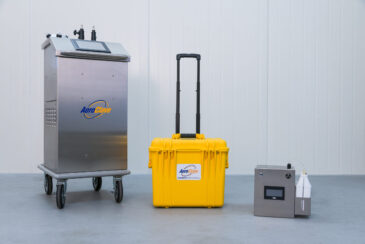
Outdoor mosquito control comes first; indoors you still need fast, consistent hygiene. AeroClave adds a reliable indoor layer to your West Nile Virus strategy by killing mosquitos using EPA-registered Vital Oxide. Choose the setup that fits your use case from the Hydra multi room unit to our flagship RDS 3110 Model we have a solution that fits your needs.
If you manage stations, clinics, classrooms, offices, or fleets, we’ll map your spaces, train your team, and get you running quick turnarounds that keep operations ready through peak West Nile Virus season. Tell us your facility type, number of rooms/vehicles, and goals (faster turnarounds, audit-ready records, surge readiness). Contact AeroClave today to learn how our advanced decontamination systems can protect your team and community.
In Conclusion West Nile Virus
In conclusion, West Nile Virus activity is elevated across many states, with national surveillance confirming hundreds of cases and local reports showing positive mosquito traps and human infections. The virus spreads through mosquito bites, most people have no or mild symptoms, and a small percentage develop severe neurologic disease-especially older adults, immunocompromised individuals, and people with certain chronic conditions. Peak risk runs late summer into early fall. Your best defense is prevention: Dump & Drain standing water, use EPA-registered repellents (DEET, picaridin, IR3535, or oil of lemon eucalyptus), cover up at dawn and dusk, keep screens in good repair, and monitor for symptoms in the 2-6 days after bites. Support community efforts by reporting dead birds and following local vector-control guidance. For facilities and fleets that need a dependable indoor hygiene layer alongside mosquito control, Contact AeroClave today to learn how our advanced decontamination systems can protect your team and community.
Sign Up Below To Learn If AeroClave is Right For You
FAQs About West Nile Virus
What is West Nile Virus?
West Nile Virus is a mosquito-borne virus and the most common mosquito-transmitted illness in the contiguous U.S. Most infections are asymptomatic or mild, but some become severe and affect the brain and nervous system.
When does the West Nile Virus season peak?
Activity typically peaks in late August to early September, but risk can continue into the fall, depending on weather.
What are the symptoms of West Nile Virus?
Many people have no symptoms. Mild illness may include fever, headache, body aches, fatigue, nausea/vomiting, diarrhea, or a rash. Severe illness can bring high fever, neck stiffness, confusion, tremors, seizures, weakness, or paralysis.
How can I prevent West Nile Virus?
Use EPA-registered repellents (DEET up to 30%, picaridin, IR3535, or oil of lemon eucalyptus), eliminate standing water, wear long sleeves and pants, and take extra care at dawn and dusk.
Is there a vaccine or treatment for West Nile Virus?
There is no licensed vaccine or specific medicine for people. Care is supportive. Severe cases may require hospitalization.
FAQs About AeroClave
What does AeroClave do?
We provide advanced decontamination solutions that help organizations keep high-touch spaces and vehicles hygienic and mission-ready.
Who uses your systems?
Customers include first responders, EMS and fire departments, healthcare facilities, schools, and government agencies needing fast, reliable bio-decontamination across rooms and fleets.
How do your solutions fit into West Nile Virus prevention?
Mosquito control focuses on repellents, reducing standing water, and public health surveillance. Our systems can kill adult mosquitos (when paired with vital oxide) as well as support overall infection control for surfaces and indoor environments, helping reduce microbial load where people live, learn, work, and receive care.
Explore More Articles on Health and Safety
- Canine Coronavirus Explained: Keeping Dogs Safe
- Hantavirus Pulmonary Syndrome Prevention and Disinfection
- AeroClave Delivers Breakthrough Biosecurity Operation at Tinker AFB with JBADS Lite Decontamination of E-3 Sentry Aircraft
- Measles Outbreak Michigan: What You Need to Know
- Legionnaires Disease Outbreak in Harlem: What You Need to Know and How to Stay Safe
- Measles Outbreak Canada: Risk Factors and Safety
- Norovirus Outbreaks 2025: What You Need to Know
- Flu Brain Damage: Facts Every Parent Should Know
- What You Should Know About UVC Disinfection: The Hidden Risks
- Raw Milk Dangers: What You Need to Know Before You Drink
© 2026 AeroClave