Hantavirus is rare, but when it hits, it hits hard. Since 1993, the United States has recorded fewer than 900 confirmed hantavirus cases, yet around one in three patients with severe lung involvement have died, according to national surveillance data from public health agencies. When you understand Hantavirus signs and symptoms early-especially after contact with mice, rats, or their droppings-you have a better chance to get lifesaving care before breathing problems spiral out of control. This post will explain what Hantavirus signs and symptoms look like in real life, how they progress, and when to seek immediate medical help.
What Is Hantavirus Pulmonary Syndrome?
Hantavirus pulmonary syndrome (HPS) is a severe viral illness that mainly affects the lungs and heart. It’s caused by hantaviruses carried by certain wild rodents.
In the Americas, people usually get HPS from:
- Breathing in dust contaminated with rodent urine, droppings, or nesting materials
- Touching contaminated surfaces and then touching the mouth, nose, or eyes
- Less commonly, being bitten by an infected rodent
In North America, key rodent carriers include:
- Deer mice in the western United States and parts of Canada
- White-footed mice in the Northeast
- Cotton rats and rice rats in the Southeast
Most U.S. cases have been found west of the Mississippi River, often in rural areas and around cabins, barns, sheds, and seasonal homes.
Once inside the body, the virus targets tiny blood vessels (capillaries), especially in the lungs and sometimes the heart. These vessels become weak and leaky. Fluid spills into the air sacs in the lungs, making breathing difficult and cutting off oxygen to the rest of the body. In severe cases, this leads to shock, multiple organ failure, and death.
Early Hantavirus Signs and Symptoms: The “Flu-Like” Phase
The incubation period
The incubation period is the time between exposure and the first symptoms. For HPS, most people start to show Hantavirus signs and symptoms about 1 to 8 weeks after contact with infected rodents or their droppings.
During this time, there are no outward signs of illness. You can feel completely normal but still be infected.
Early warning signs to watch for
The earliest Hantavirus signs and symptoms are vague and easy to confuse with other problems like flu, COVID-19, or food poisoning. Common early symptoms include:
- Fever, often above 101°F (38.3°C)
- Chills
- Strong fatigue and feeling “wiped out”
- Muscle aches, especially in the thighs, hips, back, and sometimes shoulders
- Headache and dizziness
- Stomach pain
- Nausea and vomiting
- Diarrhea
- A dry cough
- Sometimes, a mild rash
This early illness phase usually lasts 2 to 8 days. Many people assume they just picked up a typical viral infection.
What makes these early Hantavirus signs and symptoms different is the combination of flu-like illness plus recent rodent exposure. That exposure can be obvious or subtle:
- Cleaning out a cabin or shed that hasn’t been opened for months
- Sweeping a garage, attic, or basement where you see rodent droppings
- Working in barns, crawlspaces, storage units, or construction sites with mouse nests
- Camping or hiking in areas known for rodent activity
If someone has this kind of exposure and then develops fever, fatigue, body aches, stomach problems, and a dry cough, HPS needs to be on the list of possibilities.
Late-Phase Hantavirus Signs and Symptoms: When It Turns Dangerous
If the infection is not caught early, Hantavirus signs and symptoms can suddenly shift from mild or moderate to severe and life-threatening.
About 4 to 10 days after the first symptoms, the disease can move into a late phase. In this stage, capillaries in the lungs and sometimes the heart begin to leak large amounts of fluid.
Red-flag symptoms of severe disease
Late-phase Hantavirus signs and symptoms often include:
- Sudden or rapidly worsening shortness of breath
- Tightness, heaviness, or pressure in the chest
- Rapid breathing
- Rapid heartbeat
- Feeling light-headed, confused, or close to passing out
- In some cases, signs of internal bleeding
Inside the body, several dangerous processes are happening at once:
- The lungs fill with fluid (pulmonary edema), making it hard to get enough oxygen
- The heart struggles to pump blood effectively
- Blood pressure can drop sharply, leading to shock
- Organs like the kidneys, liver, and brain get less oxygen and may begin to fail
This late stage is the reason HPS is so deadly. Once breathing becomes severely compromised, the condition can decline very quickly-even in young, otherwise healthy people.
If someone with recent rodent exposure shows these late Hantavirus signs and symptoms, it is a medical emergency. They need hospital care right away.
When to See a Doctor About Hantavirus Signs and Symptoms
Because early Hantavirus signs and symptoms look like many other illnesses, timing and context are critical.
You should contact a healthcare provider as soon as possible if:
- You have unexplained fever, fatigue, body aches, stomach pain, or a dry cough.
- You have been around rodent droppings, nests, or infested buildings in the last 1 to 8 weeks
You should seek emergency care immediately if:
- You develop difficulty breathing or feel like you can’t catch your breath
- Your chest feels tight, heavy, or painful
- You feel faint, confused, or like you might pass out
Clearly tell the provider or triage nurse:
- What symptoms you’re having
- When they started
- Exactly what kind of rodent exposure you’ve had (locations, activities, and timing)
Mentioning rodent exposure early can help them think about Hantavirus signs and symptoms faster and order the right tests and monitoring.
How Doctors Diagnose Hantavirus Pulmonary Syndrome
Diagnosing HPS is challenging, especially early on, because the symptoms overlap with many common conditions.
A healthcare provider will start by asking questions and doing a physical exam, such as:
- Have you been in cabins, barns, sheds, attics, or crawlspaces recently?
- Do you work in farming, construction, pest control, utilities, or other rodent-heavy environments?
- Have you seen mouse or rat droppings where you live, work, or camp?
- When did your Hantavirus signs and symptoms start, and how have they changed?
If HPS is suspected, they may:
- Order blood tests to look for hantavirus antibodies
- Check blood counts for low platelets and changes in white blood cells
- Measure oxygen levels in your blood
- Get chest imaging to look for fluid in the lungs
In many cases, samples are also sent to specialized or public health labs for confirmation. The sooner a correct diagnosis is considered, the sooner appropriate support can be given.
Treatment and Recovery: What Happens in the Hospital
There is no single antiviral pill or shot that reliably cures HPS. Treatment focuses on supporting the body while the immune system fights the virus.
Most people with confirmed or strongly suspected HPS need intensive care. Treatment often includes:
- Oxygen therapy via mask or nasal tubing to keep oxygen levels up
- Mechanical ventilation (intubation) if the lungs are too flooded with fluid to function on their own
- IV fluids and medications to support blood pressure and organ function
- Dialysis in some cases to help the kidneys if they’re failing
- Extracorporeal membrane oxygenation (ECMO) in very severe cases, where a machine temporarily takes over the lungs’ job of oxygenating the blood
Sometimes antiviral medicines like ribavirin are considered for certain hantavirus infections, but large trials haven’t proven them consistently effective for HPS. The main lifesaving tools remain early detection, rapid ICU care, and strong respiratory and circulatory support.
If patients survive the critical late phase, they usually begin to improve over the next few weeks. Many people still feel weak, tired, and short of breath for a while. Full recovery of lung function and stamina can take a month or more, but most survivors eventually return to their normal activities.
Prevention: How to Reduce Your Risk of Hantavirus Infection
You can’t tell by looking at a mouse or rat whether it’s carrying hantavirus. That means your best protection is to reduce the chance of contact with rodent urine, droppings, saliva, and nests.
Rodent control in and around buildings
- Seal holes and cracks where rodents can get in, even small ones
- Store food (including pet food) in sealed, rodent-proof containers
- Use tight-fitting lids on trash cans
- Clear brush, junk, and woodpiles away from building foundations
- Use traps to reduce rodent populations in and around structures
Safe cleanup practices
Never dry sweep, vacuum, or blow rodent droppings or nesting material. That can send infectious particles into the air where they can be inhaled.
Instead:
- Air out closed spaces like cabins, sheds, or storage units before spending time inside
- Wear gloves, and for heavy contamination, wear a mask that covers your nose and mouth
- Spray droppings, nests, or dead rodents with disinfectant, alcohol, or a bleach solution and let it sit for several minutes
- Wipe everything up with disposable towels and place them in sealed bags before throwing them away
- Mop or sponge the area with disinfectant after removal
- Wash your hands thoroughly afterward
For heavy infestations, large buildings, or workplaces with high risk, get guidance from local health departments or professional remediation services.
How to Turn Hantavirus Signs and Symptoms Awareness into Real Protection
Recognizing Hantavirus signs and symptoms is only half the battle. The other half is lowering the chances that people ever get exposed in the first place.
Any setting that involves rodents, stored equipment, or long-closed spaces-like remote stations, training facilities, cabins, storage buildings, or seasonal housing-has potential risk.
A strong program should include:
- Clear training on Hantavirus signs and symptoms so staff know what to report
- Written steps for what to do if someone reports possible exposure or early flu-like illness
- Standard procedures for rodent control, safe cleanup of droppings and nests, and thorough disinfection of rooms, vehicles, and equipment
- A way to make those steps repeatable and consistent, not dependent on one person’s memory
A professional-grade decontamination strategy lets you go beyond quick wipes and improvised bleach solutions. You can standardize how entire rooms, vehicles, and storage areas are treated after rodent activity or clusters of respiratory illness. That means less guesswork, less variation from shift to shift, and more confidence that you’re actually reducing real-world risk.
Turn Hantavirus Awareness into Action with AeroClave
Knowing the Hantavirus signs and symptoms is important, but it doesn’t change anything on the ground unless you also tighten up how your spaces are cleaned and disinfected. If you are responsible for stations, vehicles, bunk rooms, clinics, classrooms, or warehouses, you already know that “wipe things down when we remember” is not a real plan. You need a repeatable, documented process that helps protect your crews, your patients, and your community.
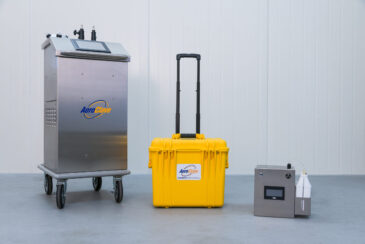
That’s where AeroClave comes in. AeroClave focuses on helping organizations move from ad-hoc cleaning to professional, standardized decontamination. Instead of relying on whoever is on shift to decide how to handle a rodent-heavy bay, a dusty storage room, or a respiratory cluster in your fleet, you can have a clear, written protocol and the right technology backing it up.
When you partner with AeroClave, you can:
- Standardize decontamination workflows across stations, vehicles, and rooms so every shift handles high-risk situations the same way.
- Support your infection-control policies with systems and processes that are easy to train, audit, and defend to leadership or regulators.
- Reduce uncertainty for your crews by giving them a simple, step-by-step approach to decontamination after rodent activity or respiratory events.
- Show your community you take risk seriously by investing in visible, professional decontamination solutions instead of “spray and hope.”
If Hantavirus signs and symptoms are on your radar, it’s a sign that your current approach may not match your actual risk. AeroClave can help you close that gap.
What Happens When You Fill Out the Form
Filling out the form on this page is not a commitment to buy anything. It’s a quick way to get expert eyes on your situation and see what is realistic for your budget and risk profile. Once you submit it:
- You tell us your world. Share what type of organization you are (EMS, fire, healthcare, education, government, or other), the buildings and vehicles you’re worried about, and any recurring issues with rodents or respiratory illness.
- You get a focused follow-up. Someone reviews your information and responds with options that fit your environment, staffing, and current protocols instead of sending a generic brochure.
- You decide next steps. You can ask questions, request a more detailed proposal, or simply use the insight to improve your in-house plans. There’s no hard sell and no obligation.
If you’re the one people look to for answers when it comes to safety and infection control, you don’t have to figure this out alone. Take 1-2 minutes to fill out the form on this page, and start a conversation with AeroClave about how a stronger decontamination strategy can support your people and your mission.
Conclusion: Hantavirus signs and symptoms
In conclusion, understanding Hantavirus signs and symptoms-especially the shift from vague flu-like issues to sudden breathing problems after rodent exposure-is critical for catching this rare but dangerous infection before it becomes life-threatening. Early fever, fatigue, body aches, stomach problems, and a dry cough can be easy to ignore, but when they are followed by chest tightness, shortness of breath, and a rapid heartbeat, it’s a clear signal to seek emergency care. By controlling rodents, cleaning infested spaces safely, and taking any suspicious Hantavirus signs and symptoms seriously, you can greatly reduce the risk to yourself, your team, and your facility. To strengthen your overall infection-control strategy and better protect your environment from serious pathogens, contact AeroClave today to learn how their solutions can support your organization.
Sign Up Below To Learn If AeroClave is Right For You
FAQs About Hantavirus Signs and Symptoms
What are the very first Hantavirus signs and symptoms?
The first Hantavirus signs and symptoms usually look like a bad viral illness. People develop fever, chills, fatigue, body and muscle aches (especially in the legs and back), headache, stomach pain, nausea, vomiting, diarrhea, and often a dry cough. These symptoms typically appear 1 to 8 weeks after exposure to infected rodents or their droppings.
How can I tell Hantavirus signs and symptoms from regular flu?
You often can’t tell just from the symptoms. What matters is context. If flu-like symptoms appear after you’ve cleaned a rodent-infested space, stayed in an old cabin, or worked around mouse or rat nests, then Hantavirus signs and symptoms should be considered. That’s when you need to tell your healthcare provider about your rodent exposure right away.
When do breathing problems start with Hantavirus?
Serious breathing problems usually appear 4 to 10 days after the early flu-like phase begins. The dry cough can suddenly turn into severe shortness of breath, chest tightness, and rapid breathing. That shift from “I feel pretty sick” to “I can’t catch my breath” is one of the most dangerous Hantavirus signs and symptoms and demands emergency care.
Are Hantavirus signs and symptoms contagious person-to-person?
For the strains that cause HPS in the United States, infections spread from rodents to people, not from person to person. You get infected by breathing in contaminated dust or touching contaminated materials-not by casual contact with someone who is sick. There is a strain in parts of South America that has shown person-to-person spread, but that is a different situation.
How long does it take to recover after Hantavirus signs and symptoms start?
If someone survives the severe respiratory phase, they usually start to improve over several weeks. Many people feel tired and have reduced exercise tolerance for a while. Full recovery can take a month or more, but most survivors eventually return to normal activities and lung function.
Explore More Articles on Health and Safety
- What You Need to Know About the Dengue Outbreak in 2025
- Razor Blade Throat Covid Variant: What it is and How to Stay Safe
- West Nile Virus: What You Need to Know Now
- Cholera Toxin B: Protecting Against Outbreaks
- Henipavirus: Understanding this Emerging Threat
- Flesh Eating Bacteria in Florida: What You Need to Know
- Measles Outbreak in Wisconsin: What You Need to Know
- Staphylococcus Prevention: How to Stay Safe from Staph Infections
- Best Ways to Kill and Protect Yourself with Legionella Pneumophila Prevention
- How to Kill and Protect Against Norovirus 2025 with AeroClave
- Chikungunya Explained: A Comprehensive Guide
- West Nile Virus Outbreak: What You Need to Know
- Oropouche: What You Need to Know Now
- Nipah Virus: What You Need To Know
- What causes hand foot and mouth disease
- Norovirus vs Food Poisoning: Treatment and Prevention
- How Flu Spreads: Simple Steps to Protect Your Family This Season
- Tuberculosis Outbreak 2025: What You Need to Know Right Now
- The Superbug Showdown: How We Tackle MRSA and NDM-1 Klebsiella
- Beyond the “Stomach Bug”: Killing The Foodborne Pathogen Listeria in Your Facility
© 2026 AeroClave