A single honking cough can flip a normal day into full triage. One minute you are running intake, playgroups, and adoptions. Next, you are staring down a kennel cough outbreak, trying to protect healthy dogs while sick ones keep cycling through shared air and shared touchpoints.
And the scale is not small: the American Veterinary Medical Association estimates the U.S. pet dog population reached about 87.3 million in 2025.(AVMA) When that many dogs are moving through daycares, boarding facilities, groomers, shelters, and training groups, respiratory outbreaks are not rare edge cases. They are an operational reality, and the difference between a minor disruption and a shutdown often comes down to how fast you isolate, clean, communicate, and get your vaccination and care plans straight, including decisions around a vaccine for canine influenza and what treatment for canine influenza should look like if flu is suspected.
This post lays out practical, facility-ready steps to recognize a kennel cough outbreak early, slow the spread, support sick dogs, and build a prevention and disinfection plan your team can execute under real-world pressure.
What a Kennel Cough Outbreak is (why it spreads so easily)
Kennel cough is the common name for canine infectious respiratory disease complex (often shortened to CIRDC). It is a highly contagious respiratory illness that inflames the upper airways, including the trachea and bronchi. Dogs of any breed and age can get it, and dogs can be infected by more than one organism at the same time.
Common viral contributors can include canine parainfluenza virus, canine adenovirus type 2, canine respiratory coronavirus, canine herpesvirus, canine influenza virus, and canine distemper virus. Common bacterial contributors can include Bordetella bronchiseptica, Mycoplasma species, and Streptococcus equi subspecies zooepidemicus.
A kennel cough outbreak takes off because many dogs are contagious before they look sick. The incubation period is often described as about 2 to 14 days. So a dog can enter a facility looking normal, share airspace and surfaces, and then start coughing later. By then, exposure has already happened.
How a Kennel Cough Outbreak spreads
Most spread happens through a few predictable routes:
- Respiratory droplets from coughing, sneezing, and barking.
- Direct contact like licking or nuzzling.
- Fomites (contaminated items) like bowls, toys, bedding, leashes, kennel doors, and shared equipment.
- People’s hands and clothing moving between dogs.
Indoor, close-quarters housing increases risk because the same air and touchpoints are shared all day. Stress, poor ventilation, cold conditions, and irritants like dust or smoke can also make dogs more vulnerable.
Some CIRDC-associated organisms can survive in the environment for weeks, which makes control harder once the building is seeded. Canine influenza virus is a little different: it can survive in the environment for about 1 to 2 days, but it is easily killed by common disinfectants. Either way, if your workflow misses touchpoints, the outbreak keeps recycling.
Kennel Cough Outbreak signs to watch for
The classic kennel cough pattern
The most common sign is a sudden, frequent, forceful cough. Many people describe it as a goose honk or a honking cough. It can sound like the dog has something stuck in its throat. Some dogs gag or retch after coughing. Some coughs are dry and hoarse, while others produce mucus.
Other common signs can include:
- Sneezing
- Runny nose
- Watery eyes or eye discharge
- Lower energy
- Reduced appetite (more common in tougher cases)
Many dogs look fine except for the cough, especially in mild cases.
When canine influenza may be part of the picture
Canine influenza (dog flu) is a highly contagious respiratory disease caused by specific type A influenza viruses that infect dogs. Dogs of any breed, age, and health status can be infected, and infection can occur year-round. There is no evidence that people catch canine influenza, and canine influenza viruses are generally considered a low threat to people.
Signs of canine influenza can look very similar to kennel cough, including:
- Persistent cough
- Thick nasal discharge
- Fever (often 104-105°F)
- Lethargy
- Runny eyes
- Reduced appetite
Many dogs recover within 2 to 3 weeks, but some develop complications like bacterial pneumonia. A small percentage of infected dogs may die (often tied to severe disease with pneumonia). Cats in shelters have occasionally been diagnosed as well, and infected cats can show runny nose, sneezing, congestion, low energy, and other signs of discomfort.
Who is more likely to get hit harder
Most healthy dogs recover, but a kennel cough outbreak is not nothing for every dog.
Higher-risk groups often include:
- Puppies (immature immune systems and vaccine timing limits)
- Senior dogs (weaker immune defenses)
- Dogs with existing medical issues (including chronic illness)
- Pregnant dogs (monitor closely for unusual behavior)
- Brachycephalic breeds (like Bulldogs, French Bulldogs, and Pugs) because their airways may already be compromised
Watch closely for signs that suggest pneumonia or a more serious course, such as lethargy, poor appetite, fever, productive cough, or rapid and labored breathing. If you see those, treat it as urgent and contact a veterinarian.
What to do Immediately During a Kennel Cough Outbreak
When a kennel cough outbreak is suspected, speed matters more than perfection. Your first goal is to slow transmission while you gather facts.
1) Separate and simplify movement
- Isolate coughing dogs right away. Treat cough as infectious until proven otherwise.
- Create clear traffic rules for staff: healthy to sick flow, not the other way around.
- Reduce dog-to-dog contact as much as possible, including play groups.
2) Pause high-risk activity when needed
In dense facilities, it may be necessary to pause intakes and dog adoptions temporarily to regain control. This is disruptive, but it can prevent a larger operational failure. If you can keep some operations open (like a separate clinic area or cats housed separately), keep those workflows physically separated.
3) Communicate exposure clearly
If dogs were recently at daycare, training, grooming, shows, or boarding, notify those facilities if a contagious respiratory illness is suspected. In return, ask if similar illness is being seen elsewhere. Outbreaks often move through the same local network.
4) Focus on basics that reduce coughing
For many dogs with mild illness, supportive care and reducing airway irritation help:
- Encourage rest.
- Avoid excitement triggers.
- Use a harness instead of a collar if leash pulling irritates the trachea.
- Keep air clean and well ventilated.
Diagnosis and testing
Many mild cases are diagnosed based on clinical signs and exposure history. But during a kennel cough outbreak in a facility, testing can be valuable, especially if multiple dogs are affected or dogs are getting worse.
Veterinarians may recommend:
- Nasal, pharyngeal, or throat swabs for laboratory testing (often PCR-based)
- Bloodwork in some cases
- Chest X-rays if pneumonia is suspected
Testing matters because different diseases can look similar early on. For example, canine distemper can start with respiratory signs but may carry more serious risks as it progresses. Knowing what you are dealing with helps with treatment choices, quarantine expectations, and outbreak messaging.
Facilities may also see results that point to bacteria like Mycoplasma. Mycoplasma can respond well to antibiotics, but it may not always cause disease on its own. It can take hold when another virus or bacteria creates an opening. That is one reason outbreak management often needs both medical treatment and operational controls.
Treatment During a Kennel Cough Outbreak
Supportive care is the baseline
There is no single magic drug that ends every case. Many dogs recover with supportive care and time.
Supportive care commonly includes:
- Rest and reduced activity
- Fluids if dehydrated
- Nutritional support and monitoring intake
- Comfort-focused medications when appropriate
For some dogs, a veterinarian may prescribe cough medication to improve sleep and reduce coughing cycles.
When antibiotics may be used
Antibiotics are not always needed. They are more commonly considered when there are signs of bacterial involvement or pneumonia, including:
- Worsening illness
- Fever with systemic signs
- Thick colored nasal discharge
- Lethargy and reduced appetite
- Illness that persists past the expected window
Follow your veterinarian’s guidance. In facility settings, the goal is to treat sick dogs appropriately while also breaking transmission.
Treatment for Canine Influenza: What is Different
Because canine influenza looks like other respiratory infections, confirmation often requires lab testing. Once canine influenza is suspected or confirmed, management usually includes two critical pieces:
- Supportive care (rest, fluids, nutrition, comfort measures).
- Isolation to stop spread.
Treatment for canine influenza is largely supportive. If bacterial pneumonia develops, veterinarians may recommend antibiotics. Whether the dog is treated at home or in a veterinary hospital, isolation from other dogs is central.
A key operational point: infected dogs can spread canine influenza even if they do not seem ill, and they may shed virus for up to four weeks after exposure. Because of that, the recommended isolation period is often four weeks after signs first appeared. Treatment for canine influenza is not just medication. It is also disciplined separation and consistent infection control.
If your facility is dealing with a kennel cough outbreak and canine influenza is part of the local picture, plan your quarantine timeline with your veterinarian so you do not reopen too early and restart transmission.
Vaccine planning after a Kennel Cough Outbreak
Vaccination does not replace outbreak control, but it can reduce risk and severity moving forward.
Core vaccines and respiratory coverage
Some respiratory pathogens tied to kennel cough have protection through standard canine vaccines, including agents like canine adenovirus type 2, canine parainfluenza virus, and canine distemper virus. Facilities often require proof of certain vaccines for boarding and group settings because it lowers outbreak risk and reduces severe outcomes.
Bordetella vaccination
Bordetella bronchiseptica is a common bacteria linked to kennel cough. Many facilities require a Bordetella vaccine before boarding. Bordetella vaccination cannot guarantee full protection because kennel cough has multiple causes, but it may lessen symptoms and reduce spread.
Vaccine for canine influenza
A vaccine for canine influenza is available and may be recommended in certain circumstances. It is not always treated as a universal vaccine for every dog. Instead, it is often considered based on exposure risk.
You should talk with your veterinarian about a vaccine for canine influenza if your dog:
- Boards frequently
- Attends daycare
- Visits dog parks, dog shows, agility events, or crowded dog environments
- Travels into areas where canine influenza is circulating
If a vaccine for canine influenza is part of your prevention plan, treat it as one layer in a broader program that still includes cleaning, separation rules, and good hygiene.
Disinfection during a Kennel Cough Outbreak and What Works in Busy Facilities
During a kennel cough outbreak, cleaning and disinfection need to match operational reality. Staff are moving fast. Dogs are rotating through runs. Intake and isolation areas are under pressure. If the process is too complex, it will break.
Other effective ways to disinfect
Manual wipe-down disinfection
When it makes sense: Targeted cleaning of high-touch areas like latch points, kennel doors, counters, and shared tools. It is also essential after visible soil is removed.
Main limitation in real operations: Under time pressure, coverage varies by person and technique. Missed touchpoints are common, and wet contact time discipline can slip when staff are rushing.
Electrostatic sprayers or pump sprayers
When it makes sense: Faster application over larger surface areas and consistent application when staff are trained and the space is prepped well.
Main limitation in real operations: Coverage can still be uneven around edges, corners, undersides, and complex surfaces. Training burden and room prep can also become a bottleneck, especially when intake is heavy.
UV-C or similar room technologies
When it makes sense: As an added layer in certain controlled spaces where downtime can be planned.
Main limitation in real operations: Line-of-sight constraints and room downtime are real. If a space cannot be taken offline or items block light paths, results can be inconsistent.
Where AeroClave fits into an animal shelter protection plan
Animal shelters do not have the luxury of perfect conditions during a kennel cough outbreak. Runs turn over quickly. Staff are stretched thin. Isolation capacity is limited. You are trying to protect healthy dogs, stabilize sick dogs, and keep basic operations moving without turning the whole building into a disease loop.
That is where AeroClave fits.
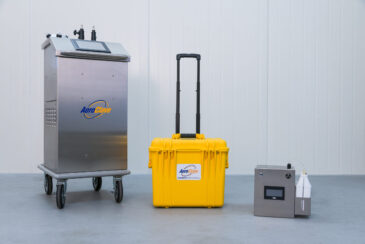
AeroClave helps animal shelter teams reduce cross-contamination risk by supporting standardized room and space decontamination workflows built for real facilities. Instead of relying only on manual wipe-downs that change based on the person, the time available, and the technique, AeroClave supports a more consistent, repeatable disinfection step that can be used across rooms and across shifts.
How AeroClave works in an animal shelter environment
AeroClave supports decontamination of indoor spaces by distributing Vital Oxide so the room or area is treated as a system, not just a list of surfaces. In real operations, missed touchpoints happen when people are rushed: edges, corners, undersides, and complex surfaces around hinges, latches, and equipment. A system-based approach helps teams focus on repeatable coverage instead of hoping every surface gets the same attention every time.
AeroClave is not a replacement for basic cleaning. Cleaning still comes first. AeroClave strengthens the program by making the disinfection step more reliable and easier to standardize across rooms, buildings, and shifts, especially when staffing and turnaround constraints make perfect manual execution hard to sustain.
AeroClave is the preferred option for animal shelter operations compared to common single-method approaches like manual wipe-downs, sprayers, or UV because it is built around operational consistency. It reduces variability under pressure, supports more repeatable coverage across teams and facilities, and is easier to document and sustain as a standard operating procedure. It also integrates alongside routine cleaning rather than depending on perfect execution by individuals every time.
Why animal shelter teams use AeroClave
Animal shelter teams typically choose AeroClave when they want to:
- Standardize results with a repeatable process
- Improve coverage beyond surface-by-surface wiping alone
- Support faster turnaround by reducing variability under time pressure
- Strengthen compliance and credibility with documented, consistent procedures
- Reduce operational disruption by integrating a structured decontamination step into routine plans
What success looks like
In practice, AeroClave helps animal shelter teams move from best effort disinfection to a more controlled, repeatable routine:
- Cleaning happens first to remove visible soil
- Vital Oxide is applied as part of a defined AeroClave workflow
- The process is documented so it stays consistent across days and teams
Fill out the form below to learn more about AeroClave and how it fits into your animal shelter protection plan when facilities are busy, staffing is tight, and turnaround time still matters.
Conclusion: Kennel Cough Outbreak
In conclusion, a kennel cough outbreak is both a health issue and an operational stress test. The facilities that recover fastest are the ones that move early and stay consistent: separate coughing dogs immediately, tighten traffic flow and handling routines, reduce dog-to-dog contact, and keep communication clear with recent facilities and pet owners. Pair that with veterinarian-guided decisions on when to test, how to support mild cases, and how to escalate care when dogs show warning signs like lethargy, poor appetite, fever, or breathing difficulty that may point to pneumonia or other complications.
Just as important, prevention planning matters after the crisis moment. Review vaccine requirements and risk-based protocols, including whether a vaccine for canine influenza makes sense for dogs with frequent exposure, and ensure your team can follow a disciplined isolation and care process if flu is suspected since treatment for canine influenza is largely supportive but depends heavily on strict separation to stop spread. Finally, keep disinfection realistic: build a repeatable process your staff can execute under time pressure, document it with simple checklists, and maintain it across shifts so you are not relying on best effort during the busiest days.
Fill out the form below to learn more about AeroClave and how it fits into your protection plan when facilities are busy, staffing is tight, and turnaround time still matters.
Sign Up Below To Learn If AeroClave is Right For You
FAQs About Kennel Cough Outbreak
What counts as a kennel cough outbreak?
A kennel cough outbreak generally means multiple dogs in the same facility, household group, or dog community develop contagious respiratory signs over a short period, often led by a honking cough and spreading quickly through close contact or shared items.
How long does a kennel cough outbreak usually last?
Many dogs recover within a few weeks, but some cases can linger longer. Facilities often need to plan around incubation time and ongoing transmission risk, not just when the first dog coughs. Your veterinarian can help set realistic timelines for isolation and reopening.
Can a dog spread illness before symptoms show up?
Yes. Dogs can be contagious before obvious signs appear, which is a major reason outbreaks are hard to control early.
Is canine influenza the same as kennel cough?
No. Kennel cough is a broad complex that can involve many viruses and bacteria. Canine influenza is a specific contagious disease caused by type A influenza viruses that infect dogs. Signs overlap, which is why lab testing can matter in outbreaks.
What is the best Treatment for Canine Influenza?
Treatment for canine influenza is mainly supportive care plus strict isolation to reduce spread. If a dog develops bacterial pneumonia, a veterinarian may recommend antibiotics. Your vet should guide treatment decisions based on severity and risk.
Should I get a vaccine for canine influenza?
A vaccine for canine influenza may be recommended for dogs with higher exposure risk, such as dogs that board, attend daycare, travel, or mix with many other dogs during outbreaks. Ask your veterinarian whether a vaccine for canine influenza makes sense for your dog and your local conditions.
Can cats get sick during a dog respiratory outbreak?
Some canine respiratory viruses have occasionally been diagnosed in cats, especially in shelter settings. If your facility houses cats and dogs, keep species-separated workflows strong and follow veterinary guidance if cats show respiratory signs.
What is AeroClave?
AeroClave is a decontamination system used to support standardized indoor space disinfection workflows, using Vital Oxide as the disinfecting solution within that process.
Does AeroClave replace normal cleaning in a Kennel Cough Outbreak?
No. AeroClave is not a replacement for basic cleaning. It is designed to strengthen the disinfection step by making it easier to run a consistent, repeatable workflow across rooms, buildings, and shifts, alongside routine cleaning.
Explore More Articles on Health and Safety
- What You Need to Know About the Dengue Outbreak in 2025
- Razor Blade Throat Covid Variant: What it is and How to Stay Safe
- West Nile Virus: What You Need to Know Now
- Cholera Toxin B: Protecting Against Outbreaks
- Henipavirus: Understanding this Emerging Threat
- Flesh Eating Bacteria in Florida: What You Need to Know
- Measles Outbreak in Wisconsin: What You Need to Know
- Staphylococcus Prevention: How to Stay Safe from Staph Infections
- Best Ways to Kill and Protect Yourself with Legionella Pneumophila Prevention
- How to Kill and Protect Against Norovirus 2025 with AeroClave
- Chikungunya Explained: A Comprehensive Guide
- West Nile Virus Outbreak: What You Need to Know
- Oropouche: What You Need to Know Now
- Nipah Virus: What You Need To Know
- What causes hand foot and mouth disease
- Norovirus vs Food Poisoning: Treatment and Prevention
- How Flu Spreads: Simple Steps to Protect Your Family This Season
- Tuberculosis Outbreak 2025: What You Need to Know Right Now
- The Superbug Showdown: How We Tackle MRSA and NDM-1 Klebsiella
- Beyond the “Stomach Bug”: Killing The Foodborne Pathogen Listeria in Your Facility
© 2026 AeroClave