In 2023 alone, U.S. health officials recorded 4,514 clinical cases of candida auris, a drug-resistant fungus that has been rising steadily in healthcare settings since it was first detected in the country in 2016. This sharp increase is a major warning sign for hospitals and long-term care facilities, because candida auris spreads easily between very sick patients, survives on surfaces and equipment, and often does not respond to common antifungal medications. As a result, candida auris has become a serious patient safety threat, forcing infection-prevention teams to rethink how they screen, isolate, and protect high-risk patients.
What is candida auris?
Candida auris is a type of yeast (fungus) that can cause serious infections in people who are already very sick. It has been identified in growing numbers since the first U.S. case was reported in 2016, with thousands of clinical cases now recorded across the country. Many more people are “colonized,” meaning it lives on their skin or other body sites without causing symptoms.
Unlike many other Candida species, experts do not think candida auris naturally lives on healthy people. Most patients pick it up in healthcare settings from contaminated surfaces, equipment, or close contact with someone who already has the fungus.
Candida auris can cause:
- Bloodstream infections
- Wound infections
- Ear infections
- Urinary tract infections (UTIs)
- Severe, body-wide infections when it reaches the blood and organs
In the sickest patients, candida auris infections can lead to sepsis, shock, and organ failure.
Why candida auris hits healthcare facilities so hard
It targets the sickest and most fragile patients
These are patients:
- In intensive care units or long-term acute care
- With serious diseases like blood cancers or advanced diabetes
- Who have weakened immune systems
- Who have been in the hospital or a care facility for a long time
These patients often depend on invasive medical devices that keep them alive but also give candida auris a direct path into the body.
Invasive devices create a direct entry point
Major risk factors for candida auris include:
- Central venous lines
- Breathing tubes and ventilators
- Feeding tubes
- Urinary catheters and bladder catheters
These devices bypass the usual skin barriers and make it easier for candida auris on the skin or environment to reach the bloodstream, lungs, or urinary tract.
It spreads silently through colonization
One of the biggest problems for healthcare facilities is that many people have candida auris on their skin or body sites without any symptoms at all. This is called colonization.
Colonized patients:
- Feel fine from the fungus itself
- Do not know they carry candida auris
- Can still spread it to bedrails, doorknobs, chairs, and equipment
- Can pass it to other high-risk patients
Because there are no obvious signs, colonized patients can be moved between units and even between facilities while still shedding candida auris into their surroundings.
This silent spread makes early screening and strong infection-control policies critical.
It is often resistant to antifungal medications
Candida auris is frequently resistant to one or more major classes of antifungal drugs. That means:
- Standard antifungal medicines may not work
- Infections can be slow or hard to control
- Some strains are resistant to all three main antifungal classes
Echinocandins are usually the first-line treatment and can cure many candida auris infections. But when the strain is multidrug-resistant, clinicians may have to use combinations of drugs or newer agents with limited evidence. This raises the risk of treatment failure and poor outcomes.
It survives on surfaces and equipment for a long time
Candida auris is built for survival in healthcare environments. It can:
- Live on hard, non-porous surfaces for long periods
- Survive on shared medical equipment (blood pressure cuffs, pulse oximeters, thermometers, etc.)
- Persist on bedrails, call buttons, touchscreens, tables, and carts
Not all common disinfectants kill it. If a facility uses the wrong products or does not apply them correctly, the fungus can remain on surfaces even after cleaning. This keeps feeding the cycle of contamination and spread.
It is hard to detect and easy to misidentify
Candida auris can be difficult for standard lab systems to identify correctly. It may be mistaken for other yeast species without the right technology and methods. That leads to:
- Delays in diagnosis
- Wrong assumptions about how serious or resistant the infection is
- Delayed infection-control actions (isolation, enhanced cleaning, screening of contacts)
To manage candida auris properly, healthcare facilities need access to reliable lab testing and must know when to suspect the fungus-especially when a patient looks septic but does not respond to antibiotics.
It worsens outcomes in already-critical patients
Many patients who get sick from candida auris are already at high risk of dying because of their underlying illnesses. Studies suggest candida auris infection may be linked to mortality rates as high as 30% to 60% in some groups.
It is often impossible to say how much of a patient’s death was due to candida auris versus their other conditions. But for healthcare facilities, every added infection means:
- Longer stays
- More intensive treatment
- Higher costs
- More strain on staff and resources
How candida auris spreads in hospitals and long-term care
It mainly spreads through contact, not through the air.
Key routes of spread include:
- Hands of healthcare workers moving between patients
- Shared medical equipment that is not cleaned correctly
- Contaminated surfaces that patients and staff touch often
Because patients can stay colonized for weeks, months, or longer, candida auris can keep circulating inside a facility if infection-control basics are not followed strictly.
Outbreaks also spread between facilities when colonized or infected patients are transferred. If the receiving facility is not told about the patient’s candida auris history, they may not put proper precautions in place, giving the fungus a head start in a new environment.
What healthcare facilities should do about candida auris
Strengthen infection prevention and control (IPC)
Facilities need firm, consistent IPC practices for both infected and colonized patients:
- Strict hand hygiene with alcohol-based hand sanitizer, or soap and water if hands are visibly dirty
- Contact precautions, including gloves and gowns for patient care
- Single rooms or cohorting away from the most vulnerable populations
- Environmental cleaning with products that are proven to kill candida auris
- Careful disinfection of shared equipment between every patient
These basics sound simple, but they must be applied consistently on every shift to keep candida auris from spreading.
Use targeted screening
Screening is key to finding colonized patients who have no symptoms. Healthcare facilities can:
- Screen patients in units or facilities where candida auris has been found
- Swab high-yield sites like the armpits and groin
- Use screening results to trigger precautions before symptomatic infections appear
A positive screening test means the patient is colonized. Most colonized patients do not need antifungal treatment, but they do need infection-control measures (isolation, proper cleaning, PPE use) to protect others.
Practice smart antimicrobial use
Overuse and misuse of antibiotics and antifungals contribute to resistance. To help control candida auris, facilities should:
- Avoid unnecessary antibiotics and antifungals
- Stop these drugs as soon as they are no longer needed
- Follow stewardship policies that balance infection treatment with resistance prevention
This protects patients’ natural defenses and slows the emergence of more drug-resistant strains of candida auris.
Communicate during transfers
Whenever a patient with known or suspected candida auris moves between facilities, there must be clear handoff communication. The receiving facility should know if the patient:
- Has ever tested positive for candida auris
- Was exposed to a known candida auris case
- Stayed in a unit or building with a known candida auris outbreak
This lets the new facility put the right precautions in place from day one.
Protecting patients and families
Patients, families, and visitors also have a role in reducing the spread.
Simple steps include:
- Cleaning hands often with alcohol-based hand sanitizer or soap and water
- Cleaning hands before entering and after leaving a patient’s room
- Wearing gloves when helping with high-touch care at home (wound care, bathing, device care)
- Following instructions carefully if a patient goes home with a central line, catheter, or feeding tube
Healthy family members are unlikely to get sick from candida auris, but they can still help break the chain of transmission by sticking to good hand hygiene and safe care practices.
How AeroClave strengthens your candida auris decontamination strategy
Candida auris is a surface survivor
It hangs around on bedrails, touchscreens, carts, and shared medical equipment long after a patient leaves the room. If your team is relying only on manual wipe-downs and basic cleaners, you are asking staff to fight a multidrug-resistant fungus with tools that were never designed for it.
Consistent whole-room treatment
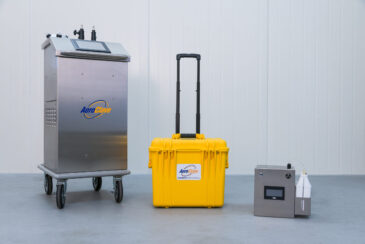
Instead of depending on who cleaned the room, how rushed they were, or what they might have missed, an advanced room decontamination system from AeroClave gives you a consistent, repeatable whole-room treatment. The goal is simple: reach high-touch and hard-to-reach surfaces the same way every time when candida auris is a concern.
This kind of repeatable process:
- Supports your infection-prevention policies
- Reduces variation between shifts
- Builds confidence that high-risk rooms are truly ready for the next admission
Standardizing your candida auris workflow
A defined decontamination protocol also lets you standardize disinfection across different spaces, including:
- Patient rooms
- Procedure areas
- Isolation rooms
- Step-down units
- Long-term care wings
Environmental services, infection control, and nursing can all share one documented workflow for when to run a cycle, how long it takes, and when the room can safely be turned over after potential candida auris exposure. That makes it easier to train new staff, enforce policies, and show surveyors and public health partners that your facility is taking candida auris seriously.
Schedule your candida auris readiness review
If your facility is seeing candida auris cases, has high-risk units, or is worried about silent colonization, now is the time to tighten your environmental disinfection plan-not after an outbreak hits the news.
To get started:
- Review your current cleaning and disinfection workflow
- Identify the units and spaces at highest risk
- Decide where a standardized room decontamination process would have the biggest impact
Then, fill out the form below to request a readiness review with AeroClave. A member of the team will walk through your current processes, discuss gaps and priorities, and show how a tailored whole-room decontamination solution can fit your beds, your units, and your budget so you can better protect your patients and staff.
Conclusion: Why candida auris demands urgent attention in healthcare facilities
Candida auris is a serious threat because it targets the sickest patients, spreads silently through colonization, survives for long periods on surfaces and equipment, and often resists standard antifungal drugs and common disinfectants. Healthcare facilities must treat candida auris as a high-priority infection-control challenge by tightening hand hygiene, using effective environmental disinfection products, isolating infected or colonized patients appropriately, screening high-risk populations, and improving communication during patient transfers. By taking these steps now, leaders can reduce outbreaks, protect vulnerable patients, and ease the burden on staff and resources. Use the contact form below to connect with a decontamination expert and learn how advanced room disinfection technology can strengthen your candida auris control strategy and help safeguard your facility.
Sign Up Below To Learn If AeroClave is Right For You
FAQs about candida auris
What is candida auris?
Candida auris is a yeast (fungus) that causes serious infections in people who are usually already very sick and in healthcare facilities. It can infect the blood, wounds, ears, and urinary tract, and it often resists common antifungal drugs.
Why is candida auris so dangerous?
It is a problem because it targets very sick, high-risk patients, spreads easily in hospitals and long-term care settings, survives on surfaces and equipment for a long time, and is often resistant to multiple antifungal medicines. These factors make it hard to treat and hard to control once it gets into a facility.
How does candida auris spread?
It spreads mainly through contact, not through the air. It moves from person to person via hands, shared medical equipment, and contaminated surfaces like bedrails and doorknobs. Colonized patients who have no symptoms can still shed the fungus and spread it to others.
Can healthy people get sick from candida auris?
Most healthy people without underlying medical problems do not get sick from it. They are not the main group at risk. The biggest risk is for people who are hospitalized, in nursing homes or long-term acute care facilities, have weakened immune systems, or use invasive devices like central lines and ventilators.
Is candida auris airborne?
Current evidence does not support airborne spread. Candida auris is usually carried on the skin and spread by contact with contaminated surfaces, equipment, or hands. Contact precautions and environmental cleaning are the main control strategies.
How is candida auris treated?
Most infections are treated with echinocandin antifungal medications. If the strain is resistant, clinicians may use combinations of drugs or newer treatments. Because many patients are already very sick, close monitoring and strong supportive care are also important.
What is the mortality rate of candida auris?
It is hard to know the exact mortality rate because most patients with candida auris have serious medical conditions that already carry a high risk of death. Some studies suggest that mortality among infected patients may be in the 30% to 60% range.
How can healthcare facilities prevent candida auris?
Facilities can reduce risk by applying strict hand hygiene, using disinfectants proven to kill candida auris, screening at-risk patients for colonization, using gloves, gowns, and appropriate isolation, communicating status during patient transfers, and practicing strong antimicrobial stewardship.
FAQs about AeroClave and decontamination partnerships
What does AeroClave do to help with candida auris?
AeroClave provides advanced decontamination systems designed to help healthcare and public safety facilities standardize and strengthen their environmental disinfection processes, supporting infection-control teams as they work to limit the spread of tough pathogens like candida auris.
Explore More Articles on Health and Safety
- What You Need to Know About the Dengue Outbreak in 2025
- Razor Blade Throat Covid Variant: What it is and How to Stay Safe
- West Nile Virus: What You Need to Know Now
- Cholera Toxin B: Protecting Against Outbreaks
- Henipavirus: Understanding this Emerging Threat
- Flesh Eating Bacteria in Florida: What You Need to Know
- Measles Outbreak in Wisconsin: What You Need to Know
- Staphylococcus Prevention: How to Stay Safe from Staph Infections
- Best Ways to Kill and Protect Yourself with Legionella Pneumophila Prevention
- How to Kill and Protect Against Norovirus 2025 with AeroClave
- Chikungunya Explained: A Comprehensive Guide
- West Nile Virus Outbreak: What You Need to Know
- Oropouche: What You Need to Know Now
- Nipah Virus: What You Need To Know
- What causes hand foot and mouth disease
- Norovirus vs Food Poisoning: Treatment and Prevention
- How Flu Spreads: Simple Steps to Protect Your Family This Season
- Tuberculosis Outbreak 2025: What You Need to Know Right Now
- The Superbug Showdown: How We Tackle MRSA and NDM-1 Klebsiella
- Beyond the “Stomach Bug”: Killing The Foodborne Pathogen Listeria in Your Facility
© 2026 AeroClave