Recent research shows that in some regions, over 3,100 out of every 100,000 children under 10 get hand, foot and mouth disease (HFMD) each year, making it one of the most common viral illnesses in young kids. (PMC) When you see numbers like that, it’s natural to ask, “How Contagious is Hand foot and mouth disease ” and how quickly it can move through your home, daycare, or school.
With outbreaks now regularly reported in child-care centers and schools around the world, understanding when HFMD is most contagious, how long it can keep spreading, and what actually works to slow it down is critical for parents, teachers, and caregivers. This blog explains how HFMD spreads, how long people stay contagious, and the practical steps you can take to protect your family, your facility, and your community.
What Is Hand-Foot-and-Mouth Disease?
Hand-foot-and-mouth disease is a viral illness caused mainly by enteroviruses like coxsackievirus A16 and A6, and in some regions enterovirus 71.
It’s:
- Most common in children under 5
- Still possible in older kids and adults
- Often seen in daycare and preschool environments
- Usually mild and self-limited, lasting about 7-10 days
Typical symptoms include:
- Fever and “just not feeling well”
- Sore throat and reduced appetite
- Painful mouth sores on the tongue, gums, and inside the cheeks
- Rash on the palms, soles, and sometimes buttocks, legs, arms, or around the mouth
- Rash that may blister but usually isn’t itchy
Serious complications like viral meningitis or encephalitis are rare, but the real problem for most families and facilities is how quickly HFMD spreads once it appears.
How Contagious is Hand foot and mouth disease ?
Why HFMD Spreads So Easily
To understand How Contagious is Hand foot and mouth disease , you need to know where the virus lives and how it moves.
The virus is found in:
- Saliva
- Nasal mucus and respiratory droplets
- Fluid inside the blisters
- Stool (poop)
It spreads through:
- Coughing and sneezing near others
- Kissing, hugging, or close contact
- Sharing cups, utensils, food, towels, or bedding
- Touching blister fluid
- Touching contaminated surfaces (toys, tables, door handles) and then touching your face
Kids in daycare touch everything, share everything, and then put their hands in their mouths. That’s why HFMD can rip through a classroom if you don’t get ahead of it.
When HFMD Is Most Contagious
HFMD is most contagious in the first few days of illness, especially while the child has a fever and active symptoms:
- Fever
- Lots of drooling from mouth pain
- Active rash and blisters
- Coughing and sneezing around others
During this time, the virus is everywhere: on hands, faces, toys, tables, and anything else kids touch.
How Long Can HFMD Keep Spreading?
This is where How Contagious is Hand foot and mouth disease gets tricky.
Key points:
- Most people are contagious for about 7-10 days from the start of symptoms.
- Even after the fever and rash are gone, the virus can stay in the stool for several weeks.
- That means a child who looks “better” can still spread the virus if handwashing is weak, especially after bathroom use or diaper changes.
Because of that long “tail” of viral shedding, you can’t just assume the risk is gone once the rash fades.
How Contagious is Hand foot and mouth disease in Schools and Daycare?
Group settings are HFMD’s favorite playground:
- Children share toys, books, tables, and crayons.
- Staff help with diaper changes and toilet trips all day.
- Kids don’t cover coughs and sneezes well.
- Some children and adults have no symptoms but still shed the virus.
Outbreak reports from child-care centers worldwide show how quickly HFMD can surge once it gets into a facility, especially in warm months or during seasonal peaks.
Even if sick kids are sent home, asymptomatic carriers and long-term stool shedding mean you cannot isolate your way out of HFMD. You need strong hygiene and cleaning protocols.
How Contagious is Hand foot and mouth disease at Home?
Once HFMD enters your home, everyone is a potential target:
- Siblings share toys, couches, and bedrooms.
- Parents are handling diapers, wiping noses, and cleaning up drool.
- Relatives hug and kiss the child to comfort them.
Adults can:
- Get full-blown symptoms (fever, mouth sores, rash)
- Have mild or no symptoms at all but still shed virus in stool and respiratory droplets.
So even if you’re not sick, you can carry HFMD between home, work, and school if you don’t wash your hands carefully and clean shared surfaces.
Practical Steps to Reduce HFMD Spread
You can’t bring the risk to zero, but you can seriously cut it down with consistent habits.
Handwashing: Your First Line of Defense
Make proper handwashing non-negotiable:
- Use soap and water.
- Scrub for at least 20 seconds (front, back, between fingers, under nails).
- Key times:
- After using the toilet or changing diapers
- After wiping noses or touching drool
- Before preparing food
- Before eating
- After coming home from daycare, school, or public places
For kids, supervise every wash. Quick “rinse and go” is not good enough when you understand How Contagious is Hand foot and mouth disease really is.
Clean and Disinfect High-Touch Surfaces
The virus can survive on surfaces for days.
Target:
- Doorknobs and light switches
- Tables, counters, and highchairs
- Shared toys and electronics
- Bathroom surfaces and changing areas
Steps:
- Clean with soap and water to remove dirt and organic material.
- Disinfect with an approved product or a diluted bleach solution, following label directions.
In child-care settings, this should be on a strict daily schedule, with more frequent cleaning during outbreaks.
Avoid Sharing Personal Items
During an HFMD episode:
- Don’t share cups, utensils, water bottles, straws, towels, pillows, or blankets.
- Separately wash items used by the sick child in hot water with detergent.
- Label each child’s cup or bottle clearly.
Small changes here make a big difference over time.
Know When to Keep Kids Home
Most guidelines say to keep your child home if they:
- Have a fever
- Are too tired or uncomfortable to join normal activities
- Have mouth sores that cause uncontrolled drooling or make drinking difficult
Kids can usually go back when:
- Fever has been gone for at least 24 hours without medicine
- They feel well enough to participate
- They can drink fluids normally
Because the virus can still be in the stool for weeks, schools and daycare centers focus more on symptoms and hygiene than trying to wait for total viral clearance.
Caring for a Child With HFMD While It’s Contagious
Even once you know How Contagious is Hand foot and mouth disease , your immediate job is still simple: keep the child comfortable and hydrated while you protect everyone else.
Ease Pain and Fever
- Use acetaminophen or ibuprofen as directed by your child’s healthcare provider.
- Never give aspirin to children because of the risk of Reye’s syndrome.
- Older kids and adults can use saltwater rinses or approved numbing sprays to help mouth pain.
Guard Against Dehydration
Mouth sores hurt, and kids may refuse to drink:
- Offer cold liquids like water, milk, or oral rehydration solutions.
- Offer ice pops or ice chips if swallowing is hard.
- Avoid acidic drinks like orange juice or soda-they can burn mouth sores.
- Offer soft foods (yogurt, smoothies, mashed potatoes, pasta) that don’t require much chewing.
Call a healthcare provider if you see:
- No wet diaper in 6-8 hours
- Dark yellow urine
- Very dry lips and mouth
- No tears when crying
- Extreme sleepiness or difficulty waking up
When to See a Healthcare Provider
Reach out to a provider if:
- Your child is under 6 months old
- Fever lasts more than 3 days
- They can’t drink enough because of mouth pain
- Symptoms are severe or not improving after 10 days
- Your child has a known immune problem
- You’re worried for any reason
Clinicians can usually diagnose HFMD based on age, symptoms, and the appearance of the rash and sores, sometimes with lab tests if needed.
Protect Your Facility From Future Outbreaks With AeroClave
Handwashing and routine cleaning are the basics, but in real-world facilities they’re not always enough. If you run a school, daycare, clinic, EMS/Fire station, municipal facility, or other high-traffic operation, you know one sick child-or one symptomatic adult-can expose dozens of people in a single shift.
If learning How Contagious is Hand foot and mouth disease has you rethinking your infection-control strategy, it’s time to look at more consistent, system-level solutions.
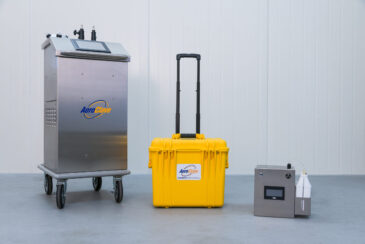
Instead of relying on quick wipes after an outbreak is already underway, advanced decontamination systems are designed to:
- Treat whole rooms and vehicles the same way every time
- So coverage doesn’t depend on who had time to clean that day.
- Reach high-touch and hard-to-reach surfaces
- Door handles, railings, cots, chairs, toys, medical carts-anywhere kids and staff touch frequently.
- Support your existing infection control protocols
- Adding a strong layer on top of handwashing, PPE, and normal cleaning instead of replacing them.
Ready to See What This Looks Like in Your World?
Use the contact form on this page to tell us:
- What type of facility you run (school, daycare, healthcare, EMS/Fire, government, etc.)
- How many rooms, vehicles, or locations you’re responsible for
- Your biggest infection-control headaches right now (recurring outbreaks, parent concerns, staff shortages, regulatory pressure, etc.)
Once you submit the form, a member of the team will walk you through:
- How a decontamination system can plug into your current cleaning routines
- What a realistic implementation looks like for your size and budget
- Where to start for maximum impact (priority rooms, units, or vehicles)
If you’re tired of only reacting once sick kids are already in the building and want a repeatable, high-level approach to infection control, fill out the form and start that conversation today.
Conclusion: How Contagious is Hand foot and mouth disease
In conclusion, understanding How Contagious is Hand foot and mouth disease comes down to a few core facts: it spreads easily through saliva, mucus, blister fluid, and stool; it’s most contagious during the first few days with fever; and it can still be shed for weeks afterward, especially in stool, which makes strict handwashing and surface disinfection non-negotiable in homes, schools, and daycare settings. By keeping sick children home until their fever is gone, watching closely for dehydration from painful mouth sores, and avoiding shared cups, utensils, towels, and toys, you can greatly cut the risk of HFMD sweeping through your family or facility. To add an extra layer of protection with professional-grade surface disinfection and decontamination support, contact AeroClave today to learn how their advanced systems can help protect your team, your patients, and your community.
Sign Up Below To Learn If AeroClave is Right For You
FAQs About How Contagious is Hand foot and mouth disease
How Contagious is Hand foot and mouth disease in the first few days?
HFMD is most contagious during the first few days of illness, especially when there’s a fever. During this phase, the virus spreads easily in respiratory droplets (coughing, sneezing) and through saliva, mucus, and close contact.
How long can someone spread HFMD?
Most people are contagious for about 7-10 days, but the virus can remain in stool for weeks after symptoms fade. (DermNet®) That’s why handwashing after bathroom use and diaper changes is important even when a child looks better.
Can adults get HFMD and pass it on?
Yes. Adults can get HFMD too. Some develop full symptoms, while others have very mild or no symptoms but still shed the virus and pass it on to children and co-workers. (DermNet®)
How Contagious is Hand foot and mouth disease in daycare and school settings?
Very. In group environments like daycare, preschool, and early elementary grades, children share toys and surfaces, need help in the bathroom, and don’t always wash hands well. Outbreaks can spread quickly, especially in warmer seasons or when cleaning routines are inconsistent. (Parents)
Can my child go to the pool with HFMD?
It’s not a good idea in the first week. HFMD viruses can sometimes spread through improperly treated pool water, especially if there’s contamination from stool. During the contagious period, keep your child out of pools and splash pads to protect others and because they often don’t feel well enough anyway.
Can pets get HFMD?
No. HFMD is not the same as foot-and-mouth disease in farm animals, and pets cannot catch or spread HFMD. The viruses are human pathogens only. (DermNet®)
Can you get HFMD more than once?
Yes. Different strains of enteroviruses can cause HFMD. Having it once doesn’t guarantee you’ll never get it again, especially if a new strain circulates in your area. (BioMed Central)
FAQs About Infection Control Support
Do professional decontamination systems replace basic cleaning?
No. They add a higher, more consistent level of disinfection but do not replace:
- Handwashing
- PPE where needed
- Daily cleaning and waste handling
- Local health protocols
Think of them as a force multiplier when you know How Contagious is Hand foot and mouth disease and want more than wipes and hope.
How do advanced systems help during viral outbreaks like HFMD?
They help by:
- Standardizing room and vehicle decontamination
- Reducing reliance on variable manual wiping alone
- Extending coverage to surfaces people forget or can’t easily reach
This doesn’t stop person-to-person droplet spread, but it reduces the environmental load that helps outbreaks keep going.
Explore More Articles on Health and Safety
- What You Need to Know About the Dengue Outbreak in 2025
- Razor Blade Throat Covid Variant: What it is and How to Stay Safe
- West Nile Virus: What You Need to Know Now
- Cholera Toxin B: Protecting Against Outbreaks
- Henipavirus: Understanding this Emerging Threat
- Flesh Eating Bacteria in Florida: What You Need to Know
- Measles Outbreak in Wisconsin: What You Need to Know
- Staphylococcus Prevention: How to Stay Safe from Staph Infections
- Best Ways to Kill and Protect Yourself with Legionella Pneumophila Prevention
- How to Kill and Protect Against Norovirus 2025 with AeroClave
- Chikungunya Explained: A Comprehensive Guide
- West Nile Virus Outbreak: What You Need to Know
- Oropouche: What You Need to Know Now
- Nipah Virus: What You Need To Know
- What causes hand foot and mouth disease
- Norovirus vs Food Poisoning: Treatment and Prevention
- How Flu Spreads: Simple Steps to Protect Your Family This Season
- Tuberculosis Outbreak 2025: What You Need to Know Right Now
- The Superbug Showdown: How We Tackle MRSA and NDM-1 Klebsiella
- Beyond the “Stomach Bug”: Killing The Foodborne Pathogen Listeria in Your Facility
© 2026 AeroClave