Respiratory syncytial virus (RSV) isn’t just a “kid’s cold” anymore – in the United States, it’s estimated to send between 58,000 and 80,000 children under 5 and 100,000 to 160,000 adults 65 and older to the hospital every year, making it one of the most serious yet overlooked seasonal threats. RSV spreads fast through coughs, sneezes, close contact, and contaminated surfaces, and because people can pass it on before they even feel sick, one missed precaution can put infants, older adults, and high-risk patients in real danger. This blog post will show you practical, straightforward ways to prevent the spread of RSV at home, in schools, and in care settings so you can better protect the most vulnerable people around you.
What Is RSV and Why Stopping the Spread Matters
RSV is a respiratory virus that infects the nose, throat, and lungs. It travels along with the usual fall and winter respiratory viruses and most people will run into it many times over their lifetime.
For many healthy adults and older kids, RSV looks like a typical cold:
- Runny or stuffy nose
- Cough
- Sneezing
- Fever
- Loss of appetite
- Wheezing or noisy breathing
In very young infants, RSV can be much harder to spot. They may only seem:
- Extra fussy
- Less active
- Eating or drinking less
- Breathing faster or working harder to breathe
Most people with RSV recover in one to two weeks, but the stakes are high:
- RSV is the most common cause of hospitalization in U.S. children under 1 year old.
- It causes large numbers of hospital stays every year in children under 5 and adults over 60.
- Many hospitalized babies had no obvious risk factors before they got sick.
That’s why preventing the spread of RSV isn’t just a “nice to have.” It’s a critical safety step for anyone responsible for infants, young children, older adults, or people with serious health conditions.
How RSV Spreads
If you want to slow RSV down, you need to understand how it moves from person to person:
- Droplets: When someone with RSV coughs, sneezes, or even talks, tiny droplets with the virus shoot into the air.
- Close contact: Kissing a sick child, holding them close, or being face-to-face gives RSV an easy path to new hosts.
- Surfaces: RSV can survive for hours on hard surfaces like tables, cribs, toys, phones, and handrails.
- Touching your face: If you touch a contaminated surface and then rub your eyes, nose, or mouth, you’ve basically delivered RSV straight into your system.
People are usually contagious for 3-8 days, and they can start spreading RSV a day or two before symptoms start. Infants and people with weak immune systems can keep spreading the virus for up to four weeks, even after they feel better.
You won’t always know who has RSV. That’s why prevention has to be treated like a daily routine, not a one-time reaction.
Everyday Ways to Prevent the Spread of RSV at Home
You don’t need anything complicated to bring RSV risk down. But you do need to be consistent.
Hand Hygiene: Your First Line of Defense
Handwashing is still one of the most effective ways to slow RSV:
- Wash hands with soap and water for at least 20 seconds.
- Do it after changing diapers, wiping noses, using the bathroom, and before making or eating food.
- If soap and water aren’t available, use an alcohol-based hand sanitizer and rub until your hands are dry.
- Teach kids a simple rule: “Wash after coughs, sneezes, outside, and before you eat.”
Stop Sharing Germs, Not Just Toys
RSV loves shared items and close contact. Cut off those easy routes:
- Don’t share cups, utensils, straws, water bottles, or snacks mouth-to-mouth.
- Avoid kissing on the face when someone has cold-like symptoms.
- Keep pacifiers, bottles, and teething toys for one child only.
Cover Coughs and Sneezes
This one matters more than people think:
- Cough or sneeze into a tissue, throw it away immediately, and wash or sanitize your hands.
- If there’s no tissue, use your elbow instead of your hands.
Keeping droplets out of the air and off surfaces slows RSV and other respiratory viruses at the same time.
Clean High-Touch Surfaces Regularly
Because RSV stays alive on hard surfaces for hours, regular cleaning is key:
- Wipe and disinfect:
- Doorknobs and handles
- Tables and countertops
- Crib rails and bed rails
- Light switches and remotes
- Phones, tablets, and shared toys
Make surface cleaning a daily habit, not just something you do when someone is obviously sick.
Stay Home When You’re Sick
If you or your child has RSV-type symptoms – cough, runny nose, fever, fatigue – staying home protects everyone else:
- Keep kids home from school and daycare if they’re actively sick.
- Skip visits to newborns, older relatives, or people with serious medical problems while you have symptoms.
You might feel like you can power through a mild RSV infection. The person you pass it to might not be so lucky.
Protecting Babies and Young Children from RSV
Infants and young children face the greatest risk from RSV, especially:
- Premature babies
- Babies under 6 months
- Children with chronic lung disease, congenital heart disease, or weak immune systems
For them, prevention isn’t optional. It’s critical.
Limit Exposure During RSV Season
During peak RSV months (usually fall and winter):
- Avoid crowded indoor spaces with a young baby when you can.
- Be strict with sick visitors – if someone has a cough, fever, or runny nose, they shouldn’t be holding or kissing the baby.
- Older siblings with cold-like symptoms should keep some distance and practice extra handwashing around the baby.
Watch for Early Warning Signs
RSV can get worse quickly in small children. Call your pediatrician right away if you see:
- Fast breathing, noisy breathing, or pauses in breathing
- Difficulty feeding or drinking
- Fewer wet diapers
- Grayish or bluish lips, nails, or skin
- Unusual sleepiness, weakness, or constant irritability
If breathing looks like hard work – ribs pulling in, nostrils flaring, or fast, shallow breaths – that’s an emergency sign.
Use RSV Immunization Tools
There are now specific tools to help protect babies from severe RSV:
- Maternal RSV vaccine: given during weeks 32-36 of pregnancy (in RSV season). The mother’s body makes antibodies that pass to the baby and protect them for about 6 months.
- Infant RSV antibodies (nirsevimab or clesrovimab): long-acting antibodies given directly to the baby. They provide immediate protection and last at least 5 months.
For most babies, one of these two approaches is recommended – not both. Certain high-risk toddlers may need an additional antibody dose before their second RSV season. Your child’s healthcare provider will recommend the right plan based on age, timing, and risk factors.
Protecting Older Adults and High-Risk Adults from RSV
RSV can also hit adults hard, especially:
- Adults 75 and older
- Adults 50-74 with chronic heart or lung disease
- People with weakened immune systems
- Adults with serious underlying medical conditions
- People living in nursing homes or long-term care facilities
RSV Vaccines for Adults
Vaccines are now available to help protect adults from severe RSV. Current recommendations include:
- All adults 75+ should receive an RSV vaccine.
- Adults 50-74 with increased risk of severe RSV (chronic heart or lung disease, weakened immune systems, certain conditions, or nursing home residents) are also recommended to receive a vaccine.
Key points:
- The RSV vaccine is given as a single dose, not a yearly shot at this time.
- Protection lasts more than one year based on current data.
- The best time to get vaccinated is late summer to early fall, before RSV season ramps up.
Talk with your healthcare provider about your risk and the best timing for you.
Extra Precautions for Higher-Risk Adults
On top of vaccination, high-risk adults should:
- Avoid close indoor contact with people who have cold-like symptoms.
- Keep hand hygiene and surface cleaning routines tight, especially during RSV season.
- Call a healthcare professional quickly if they develop breathing problems, chest discomfort, or symptoms that suddenly get worse.
RSV Prevention in Schools, Daycare, and Care Facilities
Places where many people share space – schools, daycares, long-term care facilities, busy clinics, shelters – can become RSV “hot spots” without basic controls.
Build a Strong Hygiene Culture
- Schedule regular handwashing throughout the day (arrival, before meals, after bathroom breaks, after outdoor time).
- Teach kids to cover coughs and sneezes and to avoid sharing cups and utensils.
Write Sick Policies That Actually Work
- Children and staff with significant cough, fever, or trouble breathing should stay home.
- Encourage families and staff to be honest about symptoms instead of “toughing it out” and exposing everyone else.
Manage Surfaces and Air
- Regularly clean and disinfect high-touch surfaces and shared items: desks, toys, rails, doorknobs, and electronics.
- Improve ventilation where possible – bring in outside air, use functioning HVAC and filtration, and avoid overcrowding small rooms.
These steps help reduce the amount of RSV and other respiratory viruses in shared environments and protect both the people you serve and your staff.
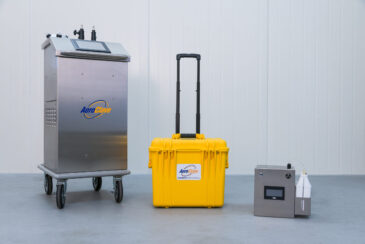
How AeroClave Supports Your RSV Prevention Plan
When RSV is moving through your community, wiping down a few surfaces and hoping for the best isn’t a strategy – especially if you’re responsible for infants, medically fragile kids, older adults, or high-risk patients. You need something repeatable, fast, and consistent that doesn’t depend on who happens to be on duty or how much time is left in the shift.
RSV spreads through droplets and contaminated surfaces, and it can live for hours on hard surfaces like crib rails, tables, stretchers, and equipment handles. In busy environments – EMS stations, fire apparatus bays, clinics, transport vehicles, schools, daycares, or long-term care facilities – there’s constant turnover of people, gear, and patients. Manual wiping alone is easy to rush, miss, or skip when calls pile up or staffing is thin.
A structured, standardized disinfection system closes that gap. Instead of guessing whether every surface was hit, you build a reliable, repeatable process into your workflow: after a transport, between patient rooms, at shift change, or after a known RSV exposure. That process doesn’t replace vaccines, antibodies, or basic hygiene – it backs them up by reducing contamination in the spaces where people actually live and work.
Most importantly, using a consistent environmental disinfection approach helps protect the people who can’t afford another respiratory hit: premature infants, children with chronic lung or heart problems, older adults with COPD or heart failure, and immunocompromised patients. Cutting down RSV in their surroundings removes one more risk factor you can control.
If you’re running a station, facility, or organization where RSV could have serious consequences, you shouldn’t be guessing about your disinfection plan. Use the contact form on this page to share your operation details, current cleaning process, and pain points so a specialist can walk you through a standardized AeroClave disinfection workflow and how it fits into your RSV prevention strategy.
Conclusion: Keeping RSV From Spreading Starts With You
In conclusion, stopping RSV from spreading comes down to consistent basics and smart protection for the people who are most at risk. Handwashing, covering coughs and sneezes, cleaning high-touch surfaces, staying home when you’re sick, and limiting close contact with vulnerable infants and older adults all help cut RSV transmission in everyday life. Layered on top of that, tools like RSV vaccines for older adults, maternal vaccination during pregnancy, and infant antibody products offer extra protection against severe disease, especially during peak season.
When you combine strong hygiene habits, medical prevention, and reliable environmental disinfection, you make it much harder for RSV to gain a foothold in your home, facility, or community. Contact AeroClave today to learn how our advanced decontamination systems can support your infection-control strategy and help protect the people who count on you.
Sign Up Below To Learn If AeroClave is Right For You
FAQs About RSV and AeroClave
What is RSV in simple terms?
RSV is a very common respiratory virus that infects the nose, throat, and lungs. For most healthy people, it feels like a bad cold. For babies, toddlers, older adults, and people with serious heart, lung, or immune problems, RSV can cause dangerous lung infections like bronchiolitis and pneumonia.
How long is someone with RSV contagious?
Most people with RSV are contagious for 3-8 days. They can start spreading the virus a day or two before they even notice symptoms. Babies and people with weak immune systems can keep spreading RSV for up to four weeks, even after they seem better.
How does RSV usually spread?
RSV spreads through:
- Droplets from coughs and sneezes
- Close contact like kissing, holding, or being right next to someone who’s sick
- Touching contaminated surfaces (toys, tables, phones, cribs) and then touching your eyes, nose, or mouth
Because RSV can survive for hours on hard surfaces, frequent handwashing and cleaning are essential.
Can you get RSV more than once?
Yes. Most people get RSV for the first time in early childhood, but immunity doesn’t last. You can catch RSV again later, even during the same season. In healthy older kids and adults, repeat infections are usually milder, but they can still be serious in high-risk groups.
What are the warning signs that RSV is becoming serious?
Call a healthcare provider right away – or go to the emergency room – if someone has:
- Fast, shallow, or labored breathing
- Wheezing or very noisy breathing
- Flaring nostrils or chest retractions (skin pulling in between the ribs)
- Blue or gray lips, nails, or skin
- Trouble drinking enough fluids or fewer wet diapers in infants
- Unusual sleepiness, confusion, or rapid worsening of symptoms
Is there a cure or specific medicine for RSV?
There’s no routine antiviral that cures RSV in most people. Treatment focuses on support: fluids, fever control, oxygen, and sometimes breathing support in the hospital for severe cases. Prevention – through hygiene, immunizations, and strong environmental cleaning – is the most powerful tool you have.
Is AeroClave a replacement for normal cleaning?
No. Even the best disinfection technology doesn’t replace basic cleaning, handwashing, and common-sense precautions. Think of advanced disinfection systems as one more layer in a larger RSV strategy: you still need staff to wash hands, wipe up visible dirt, stay home when sick, and follow vaccine and antibody guidance from healthcare providers.
Who typically uses AeroClave-style systems?
Standardized disinfection systems are commonly used by EMS agencies, fire departments, hospitals, clinics, long-term care facilities, and organizations responsible for groups of high-risk people. They’re especially helpful in places where there’s constant turnover of patients or residents and a high risk of RSV and other respiratory infections spreading via surfaces and shared spaces.
How do I get started with AeroClave?
If you’re ready to tighten your RSV prevention plan and want to understand how a consistent disinfection process fits into your operation, fill out the contact form on this page with details about your facility, vehicles, call volume, and current cleaning process. A team member can walk you through options, answer technical questions, and help you decide whether AeroClave is a fit for your needs.
Explore More Articles on Health and Safety
- What You Need to Know About the Dengue Outbreak in 2025
- Razor Blade Throat Covid Variant: What it is and How to Stay Safe
- West Nile Virus: What You Need to Know Now
- Cholera Toxin B: Protecting Against Outbreaks
- Henipavirus: Understanding this Emerging Threat
- Flesh Eating Bacteria in Florida: What You Need to Know
- Measles Outbreak in Wisconsin: What You Need to Know
- Staphylococcus Prevention: How to Stay Safe from Staph Infections
- Best Ways to Kill and Protect Yourself with Legionella Pneumophila Prevention
- How to Kill and Protect Against Norovirus 2025 with AeroClave
- Chikungunya Explained: A Comprehensive Guide
- West Nile Virus Outbreak: What You Need to Know
- Oropouche: What You Need to Know Now
- Nipah Virus: What You Need To Know
- What causes hand foot and mouth disease
- Norovirus vs Food Poisoning: Treatment and Prevention
- How Flu Spreads: Simple Steps to Protect Your Family This Season
- Tuberculosis Outbreak 2025: What You Need to Know Right Now
- The Superbug Showdown: How We Tackle MRSA and NDM-1 Klebsiella
- Beyond the “Stomach Bug”: Killing The Foodborne Pathogen Listeria in Your Facility
© 2026 AeroClave