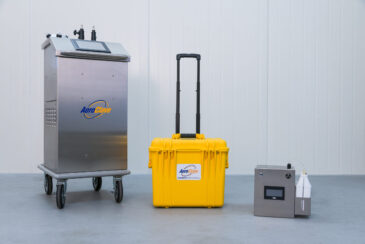
Where AeroClave fits into a gym protection plan
For gyms with packed group classes, busy locker rooms, and constant turnover in showers and training areas, keeping up with Athletes Foot and Ringworm risk using only spray bottles and mops is a constant uphill battle. Members come and go all day, staff are juggling check-ins and floor coverage, and there’s ongoing pressure to prove you’re doing more than a quick wipe between classes or peak traffic waves.
Locker rooms and shower corridors
One major use case is the locker room and shower corridor that stays damp from open to close. In a typical gym, members cycle through before work, at lunch, and again in the evening. Floors rarely get a chance to fully dry, and there are bare feet everywhere moving from benches to showers to saunas. Manual cleaning is often squeezed into small gaps between rushes, which means fungal spores stay tucked into grout lines, corners, and floor transitions. What’s really needed is a repeatable, timed process that treats the entire space-including under benches, around drains, and along wall bases-without adding an hour of extra labor every time the schedule gets busy.
Functional training and stretching zones
Another critical zone is the functional training and stretching areas where members use mats, ab rollers, foam rollers, and shared accessories directly on the floor. These spaces see continuous skin and sweat contact, but they rarely get the same level of attention as cardio equipment or weight machines. Staff may spot-wipe obvious sweat, yet the foam, vinyl, and floor seams can still harbor fungi. The operational goal here is to standardize coverage of all high-contact surfaces at the end of each day and after known fungal cases, so your team isn’t relying on inconsistent, rushed wipe-downs that leave reservoirs of Athletes Foot and Ringworm behind.
Recovery and treatment rooms
A third high-risk area is any recovery or small treatment room you might offer-spaces used for massage, assisted stretching, or personal training assessments. These rooms are small but see close, extended skin contact with tables, bolsters, and flooring. Members expect them to feel spa clean, and management needs to be confident that each client is walking into a truly refreshed space. A scheduled, documented decontamination step, whether daily or triggered after specific use types, that includes floors, treatment tables, handles, and high-touch points, supports both real infection control and the member trust you rely on to keep them coming back.
In all of these gym scenarios, adding a structured disinfection system alongside routine cleaning helps you move from we wiped what looked dirty to we followed a consistent, documented process that covers the entire environment where Athletes Foot and Ringworm can spread.
How to apply this in a real workflow
A practical gym protection plan doesn’t need to be complicated. It helps to think in three tiers: what you do every day no matter what, what you do between uses or classes, and what you do when you know there’s been a fungal case in the building.
Tier 1: Daily baseline reset
At the daily baseline level, your goal is to reset the environment before the next day’s members arrive. That means cleaning and disinfecting locker room floors, benches, and showers at least once per day, with focused attention on high-touch and high-moisture areas like entry points, around drains, and under benches. Stretching zones and mat areas should be cleaned and disinfected at close, and any house towels or loaner items need to be laundered in hot water with detergent and stored so clean and used items never mix. After this cycle, locker rooms and small rooms should be ventilated to reduce humidity, and when this tier is done correctly, there’s no visible soil on surfaces, checklists are completed, and the areas are fully dry and ready for the first members of the morning.
Tier 2: Between uses and class turnovers
Between uses or turnovers, the focus shifts to short, consistent touch-ups that stop buildup from ever getting started. After group classes or heavy traffic periods, staff should quickly remove visible debris in locker rooms and on fitness floors, then spot-disinfect key contact points like shower thresholds, the main traffic path from locker room to shower, and any obviously wet or soiled areas. Mats, stretching tables, and shared accessories should be wiped down with an appropriate cleaner or disinfectant after each class or personal training session. When this layer is done correctly, you see frequent but fast interventions that keep high-risk zones under control without slowing down the member experience.
Tier 3: Post-exposure response
The post-exposure tier kicks in when you know or strongly suspect that someone with Athletes Foot or Ringworm has used the facility. In that case, you schedule a focused disinfection of the locker room, showers, and any specific areas they frequented-such as particular stretching zones, massage rooms, or mat areas. Staff extend disinfectant contact times according to the label and make sure every surface in those zones is fully covered, including floor seams and hard-to-reach corners. Any potentially contaminated textiles-loaner towels, wraps, small pads-are laundered separately in hot water, and items that cannot be effectively cleaned are evaluated for replacement. Done correctly, this tier leaves you with a clear “event clean” record: who did the work, when it was done, which spaces were treated, and what products or systems were used, giving you a defensible story for both internal leadership and any members who ask what you did in response.
At the end of the day, the aim is to make it as easy as possible for your team to execute the same high standard every time so fungal pathogens have fewer chances to linger in your gym. To learn how AeroClave can support your gym’s protection plan against Athletes Foot and Ringworm in locker rooms, wet areas, and training spaces, fill out the form below and a member of the team will reach out with options tailored to your environment.