One sick kid can set off a chain reaction that shuts down classrooms, cancels events, and sends families scrambling, even before anyone spots the rash. That is the reality behind the Measles Outbreak 2026, and it is happening on the heels of the CDC reporting 2,065 confirmed measles cases in the U.S. during 2025, with most cases tied to outbreaks.CDC
Measles spreads through the air, it can linger in a room for hours, and it can infect people before they even realize they are contagious. That combination is why a single exposure in a high-traffic setting can escalate fast and why Measles Outbreak Prevention has to be operational, not theoretical.
This post will cover what measles is, how it spreads, what symptoms to watch for, what to do after exposure, and a practical Measles Outbreak Prevention plan you can apply, including a step-by-step disinfection workflow and where AeroClave can fit into a protection plan.
Why the Measles Outbreak 2026 is a big deal
Measles is not just a rash. It can cause serious complications, especially in kids under 5. It also spreads incredibly easily.
A few key facts help explain why a Measles Outbreak 2026 can move so quickly:
- If one person has measles, up to 9 out of 10 nearby people can get infected if they are not protected.
- Measles spreads through the air when an infected person coughs or sneezes.
- You can get measles just by being in a room where an infected person was, even up to 2 hours after they leave.
- People can spread measles before they even know they are sick, from 4 days before the rash appears through 4 days after the rash appears.
Measles was declared eliminated in the United States in 2000, meaning there was no continuous local spread for 12 months or more. But measles is still common in many parts of the world, and cases get brought into the U.S. through travel. When that happens, the virus can spread in pockets of unvaccinated people and turn into outbreaks.
In 2025, the U.S. reported more than 2,000 confirmed measles cases, with most cases tied to outbreaks and most infections in people who were unvaccinated or had unknown vaccination status. That kind of year sets the stage for continued outbreak pressure into 2026.
How measles spreads during a Measles Outbreak 2026
Measles spreads through the air, not just by touching surfaces. That is why it is so hard to contain once it gets into crowded places.
Air spread is the main driver
Measles virus lives in the nose and throat mucus of an infected person. When they cough or sneeze, virus particles can hang in the air. Someone else can inhale those particles and get infected.
The 2-hour room risk is real
One of the most important practical points for Measles Outbreak Prevention is this: you can walk into a room after the infected person has left and still get measles. The virus can remain in the airspace for up to 2 hours.
People are contagious before the rash
Measles has a window where someone is spreading a virus but might just feel like they have a cold. That is part of why outbreaks jump between households, schools, childcare, and healthcare settings.
Signs and symptoms to watch for in a Measles Outbreak 2026
Symptoms usually start 7 to 14 days after contact with the virus.
Common symptoms include:
- High fever (it can spike to more than 104°F)
- Cough
- Runny nose
- Red, watery eyes
A few days after symptoms begin, tiny white spots can appear inside the mouth. Then the rash typically shows up 3 to 5 days after the first symptoms.
What the rash often looks like
The rash usually starts on the face at the hairline, then spreads down to the neck, trunk, arms, legs, and feet. The fever can spike again when the rash appears.
If you think you or your child might have measles, call a healthcare provider before showing up in person. That helps them plan a safe evaluation without exposing other patients and staff.
Complications and who is at higher risk
Measles can be serious for anyone, but certain groups are more likely to have severe illness or complications:
- Children younger than 5 years
- Adults older than 20 years
- Pregnant people
- People with weakened immune systems
Complications can include ear infections and diarrhea, and more serious problems like pneumonia and encephalitis (brain inflammation). Hospitalization can happen, especially in unvaccinated people.
For Measles Outbreak Prevention, the biggest takeaway is simple: protect high-risk people by reducing the chances measles enters their home, classroom, clinic, or community.
What to do right away if you were exposed
If you were exposed to someone with measles, act quickly.
Step 1: Call your healthcare provider
Tell them you were exposed. They can:
- Check if you are immune based on vaccination records, age, or lab evidence
- Arrange evaluation in a way that avoids exposing others
Step 2: Ask about time-sensitive options
If you are not immune:
- Getting the MMR vaccine within 72 hours of exposure may help reduce risk or make illness milder.
- In some cases, immune globulin within 6 days of exposure may be recommended.
Step 3: Avoid high-risk settings if you are not immune
If you do not have immunity and do not receive MMR or immune globulin after exposure, you may be told to stay away from settings with susceptible people (schools, hospitals, childcare) until you are cleared.
This is not about panic. It is about breaking the chain of spread during a Measles Outbreak 2026.
Measles Outbreak Prevention: Vaccination basics that actually matter
The best protection against measles is the MMR vaccine, which provides long-lasting protection against all strains of measles. Two doses are about 97% effective at preventing measles, while one dose is about 93% effective.
For routine protection, two doses are typically recommended for children. The first dose is usually given at 12 to 15 months, and the second dose is given at 4 to 6 years.
Travel is another common way measles enters communities. Unvaccinated travelers can get infected abroad and bring measles back home, which can trigger outbreaks in areas with lower vaccination coverage. If you are traveling internationally, make sure you are protected. Infants 6 to 11 months may receive an early dose before travel, and most children and adults born during or after 1957 should have two doses for travel protection. Vaccination is the backbone of Measles Outbreak Prevention because it reduces the number of people measles can infect and helps outbreaks burn out faster.
You may be considered protected if you have documentation showing you received the recommended number of measles-containing vaccines (such as MMR), if you have lab evidence of immunity or a prior infection, or if you were born before 1957. If you cannot find records and do not have documentation of immunity, getting vaccinated is typically recommended, and there is no harm in receiving another dose if you might already be immune.
Measles Outbreak Prevention in schools: why outbreaks often center on kids
In recent U.S. outbreaks, a very large share of cases have been in children, and schools have repeatedly been named as major exposure settings. That makes sense. Schools have:
- Tight spacing
- High-contact surfaces
- Long indoor hours
- Constant mixing between classrooms, buses, cafeterias, sports, and aftercare
- A steady stream of mild illness symptoms that can look like “just a cold” at first
Practical actions schools can take right now
These steps support measles outbreak prevention without turning your school day upside down.
Tighten the stay home when sick rule
Measles spreads before the rash appears. That means you need a strong culture around staying home with fever and clear illness symptoms. Encourage families to call the nurse office for guidance before sending a child in.
Improve airflow in busy indoor spaces
Because measles spreads through the air, ventilation matters. Focus on:
- Classrooms with limited window access
- Nurse offices
- Small conference rooms
- Staff lounges
- Choir rooms, gyms, and other high-breathing spaces
Simple upgrades can include increasing outdoor air intake where possible and using portable air cleaning in smaller rooms, based on your facility team’s capabilities.
Use targeted cleaning and disinfection
Measles is mainly airborne, but it can also land on surfaces when people cough or sneeze. The goal is to reduce the shared touch risk and support better hygiene habits.
Prioritize:
- Door handles, push bars, railings
- Desks, chair backs, shared tables
- Faucet handles and restroom touchpoints
- Keyboards, mice, shared devices, touchscreens
- Cafeteria lines and payment touchpoints
Standard household disinfectants can readily kill the measles virus when used properly. Always follow the product label for contact time.
Plan for safe clinical evaluation
If a student might have measles, do not treat it like a normal nurse visit. The priority is limiting exposure to others. Call the parent/guardian, coordinate with healthcare guidance, and reduce hallway movement and office crowding.
Disinfection and response steps for Measles Outbreak 2026
Measles control is not only about wiping surfaces. The most important risk is airborne spread and the fact that measles can hang in the air for up to 2 hours. Still, disciplined cleaning and disinfection supports Measles Outbreak Prevention by reducing contamination on high-touch surfaces and improving overall hygiene performance.
Actionable disinfection guidance
1) Start with the right target areas
Prioritize spaces with:
- High turnover (classrooms, restrooms, cafeterias)
- High-touch density (doorways, nurse office, front desk)
- High crowding (gyms, assemblies, hallways during transitions)
2) Clean before you disinfect
If a surface is visibly dirty, disinfectant will not work as well. Use a cleaner first to remove grime, then apply disinfectant.
Done correctly looks like:
- One pass to remove dirt (cleaning)
- A second pass to apply disinfectant evenly (disinfecting)
3) Follow contact time, every time
Disinfectants need time on the surface to work. This is called contact time. Use the product label, and do not wipe it off early.
A practical habit:
- Put a small note on the cleaning cart with your disinfectant’s required contact time.
- Train staff to treat contact time like a timer, not a suggestion.
4) Focus on high-touch surfaces first
During a Measles Outbreak 2026, you will get more value by hitting the right surfaces consistently than by trying to disinfect everything once.
High-touch priorities in schools:
- Door handles and push plates
- Desk edges and shared tables
- Restroom touchpoints (faucets, stall latches, flush handles)
- Cafeteria line rails and table edges
- Shared devices (keyboards, touchscreens, tablets)
5) Use PPE basics that match the task
Measles spreads through the air, so the PPE conversation belongs with clinical and exposure response guidance. For routine cleaning and disinfection work:
- Wear disposable gloves when handling disinfectants.
- Avoid touching your face while cleaning.
- Wash hands with soap and water after glove removal.
6) Ventilation and room downtime should be planned, not guessed
If a space was used by a person who may have measles, remember the air risk can last up to 2 hours.
A realistic approach:
- Limit entry to the space.
- Increase ventilation if possible.
- Coordinate re-entry based on guidance and your facility’s airflow capabilities.
7) Build verification habits
Verification does not have to be complicated. It should be repeatable.
Examples that work in real life:
- A simple checklist for each room category (classroom, restroom, nurse office)
- A daily spot-check by a supervisor
- A log of when key shared spaces were cleaned and disinfected
Where AeroClave fits into a schools protection plan
Schools are often a main exposure setting because they concentrate kids, movement, and shared spaces all day. In a Measles Outbreak 2026, school leaders need plans that reduce disruption, limit cross-contamination, and keep coverage consistent even when staffing is stretched.
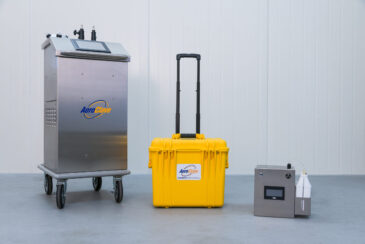
AeroClave can fit as part of a broader environmental hygiene program that aims to standardize coverage and reduce missed areas, especially when you need repeatable processes.
Realistic school use cases during a Measles Outbreak 2026
In schools, there are a few places where measles risk and operational pressure collide. The nurse office is a prime example: exam areas, waiting chairs, and check-in surfaces turn over quickly during high-illness weeks, symptoms are unpredictable, and there are many touchpoints that are easy to miss when staff are rushed. Special education and small-group rooms also need extra attention because close quarters and shared items increase risk, and cleaning is harder when the space is in constant use. Aftercare and shared activity spaces like multi-use rooms, gyms, and cafeterias add another layer of complexity because groups mix, equipment is shared, transitions happen fast, and cleaning standards can vary from shift to shift. Across all three, the practical objective is the same: reduce cross-contamination, standardize coverage, and keep operations moving during a Measles Outbreak 2026.
A simple three-tier workflow schools can actually run
To make this manageable, use a simple three-tier workflow that keeps everyone consistent. Daily routines, disinfect high-touch points on a set schedule, keep restrooms on a predictable cadence, and reinforce handwashing access and reminders; done correctly means high-touch lists are completed and documented, contact times are followed, and there are no gaps in nurse areas or restrooms. Between-use turnovers, wipe and disinfect the specific touchpoints the group used, reset the space before the next group enters, and reduce crowding while increasing ventilation when practical; done correctly means a quick checklist is followed every time and turnover stays fast without getting sloppy. Post-exposure response, restrict access to the exposed space, account for the fact that measles can linger in the air for up to two hours, perform focused cleaning and disinfection of high-touch surfaces, and coordinate next steps with healthcare and public health guidance; done correctly means entry is controlled, actions are documented, and the response is consistent rather than improvised.
Fill out the form below to learn more about AeroClave and how it can fit into your protection plan.
Conclusion: Measles Outbreak 2026
In conclusion, the Measles Outbreak 2026 is a serious operational challenge because measles spreads through the air, can linger in an indoor space for up to two hours after an infected person leaves, and can be transmitted before the rash even appears. The most reliable way to reduce risk starts with strong measles outbreak prevention fundamentals: ensure vaccination records are up to date, recognize symptoms early, call ahead before seeking medical care if measles is suspected, and act quickly after known exposure. In high-traffic settings like schools, the practical goal is consistency, not perfection: prioritize ventilation where possible, tighten sick policies, focus on high-touch areas, follow disinfectant contact times, and use a simple, repeatable workflow for daily routines, turnover cleaning, and post-exposure response. If you want to strengthen your protection plan with a more standardized approach, fill out The form below to learn more about AeroClave and how it can support your Measles Outbreak Prevention strategy.
Sign Up Below To Learn If AeroClave is Right For You
FAQs About Measles Outbreak 2026
What is measles elimination, and does a Measles Outbreak 2026 change that?
Measles elimination means there is no continuous local transmission for 12 months or more in a specific geographic area. The U.S. declared measles eliminated in 2000. Outbreaks can still happen when measles is brought in through travel and spreads in communities with low vaccination coverage.
How contagious is measles during a Measles Outbreak 2026?
Measles is extremely contagious. If one person is infected, up to 9 out of 10 nearby people can become infected if they are not protected.
How long can measles linger in a room?
Measles can remain in the airspace for up to 2 hours after an infected person leaves a room. This is why ventilation and exposure management matter so much for Measles Outbreak Prevention.
When is someone contagious?
A person can spread measles from 4 days before the rash appears through 4 days after the rash appears. People may spread the virus before they realize they have measles.
How effective is the MMR vaccine for Measles Outbreak Prevention?
Two doses of MMR are about 97% effective at preventing measles. One dose is about 93% effective. Two doses provide the best protection.
What should I do if I think my child has measles?
Call your healthcare provider immediately and let them know your child may have measles. Do not just walk into a clinic or emergency department without calling first. Providers can make special arrangements to reduce the risk of exposing others.
What should I do if I was exposed to measles?
Call your healthcare provider right away. If you are not immune, getting MMR within 72 hours of exposure or immune globulin within 6 days of exposure may reduce your risk or make illness milder, depending on your situation.
Is it true that vaccinated people can still get measles?
It is uncommon, but it can happen. Some vaccinated people can still get measles if exposed, especially with prolonged, intense exposure. When vaccinated people do get measles, illness tends to be milder and they may be less likely to spread it to others.
What is AeroClave?
AeroClave is a business that provides advanced decontamination solutions used by organizations that want more standardized, repeatable approaches to cleaning and decontamination across rooms, equipment, and shared spaces.
Is AeroClave a replacement for vaccination or public health guidance during a Measles Outbreak 2026?
No. Vaccination and public health guidance are the foundation of Measles Outbreak Prevention. Tools and systems from businesses like AeroClave can be used as part of a broader environmental hygiene plan, but they do not replace immunization, exposure management, or clinical guidance.
Explore More Articles on Health and Safety
- What You Need to Know About the Dengue Outbreak in 2025
- Razor Blade Throat Covid Variant: What it is and How to Stay Safe
- West Nile Virus: What You Need to Know Now
- Cholera Toxin B: Protecting Against Outbreaks
- Henipavirus: Understanding this Emerging Threat
- Flesh Eating Bacteria in Florida: What You Need to Know
- Measles Outbreak in Wisconsin: What You Need to Know
- Staphylococcus Prevention: How to Stay Safe from Staph Infections
- Best Ways to Kill and Protect Yourself with Legionella Pneumophila Prevention
- How to Kill and Protect Against Norovirus 2025 with AeroClave
- Chikungunya Explained: A Comprehensive Guide
- West Nile Virus Outbreak: What You Need to Know
- Oropouche: What You Need to Know Now
- Nipah Virus: What You Need To Know
- What causes hand foot and mouth disease
- Norovirus vs Food Poisoning: Treatment and Prevention
- How Flu Spreads: Simple Steps to Protect Your Family This Season
- Tuberculosis Outbreak 2025: What You Need to Know Right Now
- The Superbug Showdown: How We Tackle MRSA and NDM-1 Klebsiella
- Beyond the “Stomach Bug”: Killing The Foodborne Pathogen Listeria in Your Facility
© 2026 AeroClave