According to recent public health data, tens of thousands of people still suffer serious staph and other antibiotic-resistant infections every year in the United States, and many of those cases start with something as simple as a skin wound or medical device. When resistant germs like MRSA VRE get into cuts, catheters, or the bloodstream, they can turn a routine hospital stay, school day, or practice into a serious medical emergency. This blog explains what MRSA and VRE are, how they spread, and the practical MRSA VRE Precautions you can use in real-world settings to protect the people in your care.
What Are MRSA and VRE?
MRSA
Staphylococcus aureus, or “staph,” is a common germ. Around one out of three people carry it on their skin or in their nose without getting sick.
MRSA stands for methicillin-resistant Staphylococcus aureus. It’s still staph, but it has learned how to resist several antibiotics that used to kill it. That antibiotic resistance makes infections harder to treat and more dangerous if they’re ignored.
MRSA usually shows up where the skin is broken:
- Cuts and scrapes
- Surgical wounds
- Areas rubbed by equipment or uniforms
Because MRSA resists many common antibiotics, doctors often need to choose stronger or more targeted drugs to clear the infection.
VRE
VRE stands for vancomycin-resistant Enterococci. Enterococci are bacteria that normally live in the intestines and, in women, in the genital tract. Most of the time, they just live there quietly and don’t cause problems.
VRE appears when these bacteria become resistant to vancomycin, a powerful antibiotic often used when other drugs don’t work. They are more likely to happen in:
- The urinary tract
- Wounds
- The bloodstream
VRE infections are most common in people with weak immune systems, especially patients in hospitals.
What We Mean by “MRSA VRE “
When you see the phrase MRSA VRE , it usually means infection-control teams are talking about both of these resistant germs together. Hospitals track and report MRSA VRE bloodstream infections because they’re serious and usually linked to medical care. The goal of MRSA VRE Precautions is to stop both types of resistant bacteria from spreading to vulnerable patients.
How MRSA VRE Spread
Both MRSA and VRE have the same main engine for spread: human hands.
Hands and Surfaces
In healthcare settings, the biggest driver is the transiently contaminated hands of healthcare workers. Staff can pick up MRSA or VRE by:
- Touching a colonized or infected patient
- Handling contaminated materials or equipment (bandages, bed rails, monitors, etc.)
If hands are not cleaned the right way at the right time, those germs can move straight to the next patient or surface.
In the community, MRSA also spreads through:
- Skin-to-skin contact (sports, rough play, close contact)
- Sharing personal items (towels, razors, washcloths, clothing)
- Shared surfaces (gym equipment, benches, desks, locker rooms)
MRSA can survive on towels, razors, furniture, and other surfaces for hours, days, or even weeks. A surface can look clean and still carry germs.
Signs and Symptoms to Watch For
MRSA Skin Infections
Most MRSA infections start on the skin. Typical signs:
- Red bump or area
- Swollen and painful
- Warm to the touch
- May be full of pus or drainage
- Fever is common
Many people assume these are spider bites. If you didn’t see a spider, it’s more likely an infection than a bite.
VRE Infections
The Infections can:
- Cause skin and wound infections that look similar to MRSA: red, swollen, painful, warm, draining
- Cause urinary tract infections
- Move into the bloodstream in very sick or fragile patients
VRE infections may also bring:
- Fever
- Nausea
- Vomiting
When to Call a Doctor
You should contact a healthcare provider if:
- Fever is 100.4°F (38°C) or higher
- Pain, redness, or swelling around the area is getting worse
- There is drainage or a bad smell from the infected area
- There is bad diarrhea
- Symptoms are not improving within 48 hours
Do not pick at or pop a bump or sore. That pushes germs deeper and spreads them around.
MRSA VRE Precautions in Hospitals
Hospitals use strict MRSA VRE Precautions to protect patients, staff, and visitors.
Contact Precautions
If you or your child is found to carry MRSA or VRE:
- You may be placed in a single room.
- Staff will use Contact Precautions: gowns and gloves every time they enter the room.
- A precautions cart and an instruction sign outside the room remind everyone what to do.
These measures do not mean worse medical care. They’re there to stop MRSA VRE from moving to other patients.
Hand Hygiene
Hand washing is the core of MRSA VRE Precautions:
- Staff must clean hands when entering and leaving the room.
- Visitors should use soap and water or alcohol foam before leaving.
Patients and families should feel comfortable reminding staff to clean their hands if they forget.
Limiting Spread Inside the Hospital
- Patients on Contact Precautions are usually asked to stay in their rooms as much as possible.
- If they must leave the room, the nurse or doctor will explain what needs to happen to keep others safe.
- Families may not always need gowns and gloves, but they must clean their hands every time.
MRSA VRE Precautions at Home
Once a patient goes home, the goal is to stop the infection from returning or spreading.
Key steps:
- Wash hands often. Everyone in the home should do this, especially after touching wounds, bandages, or dirty laundry.
- Keep cuts covered. Use clean bandages and follow the nurse’s or doctor’s instructions for wound care.
- Finish all antibiotics unless the doctor says to stop. Stopping early because someone “feels better” can leave resistant germs behind.
- If medicine tastes bad or is hard for your child to take, call the doctor rather than stopping it on your own.
Watch for:
- New or worsening redness, swelling, pain, or drainage
- Fever
- Bad diarrhea
If any of these show up or get worse, call the doctor right away.
MRSA VRE Precautions in Schools, Daycares, and Sports
In Schools and Daycares
MRSA skin infections can show up in schools and daycare because kids:
- Have lots of skin-to-skin contact
- Share items and surfaces
- Don’t always wash hands well
Basic everyday prevention:
- Encourage frequent handwashing with soap and water.
- Keep cuts and scrapes clean and covered until fully healed.
- Clean shared equipment and high-touch surfaces regularly.
Closing a school for “deep disinfection” for a single MRSA infection is usually not needed. Routine cleaning is enough in most cases. If there are multiple cases (an outbreak), the health department should be looped in for guidance.
Most students with MRSA can still attend school as long as:
- They can keep up with good personal hygiene.
- Any draining wound can be fully covered with a clean, dry bandage.
They should not attend if those two conditions can’t be met.
In Athletic Facilities and Teams
Athletes have higher MRSA risk because they:
- Have frequent skin-to-skin contact
- Get scrapes and turf burns
- Share towels, gear, and benches
- Sometimes can’t shower right after practice or games
Core MRSA VRE Precautions for sports:
- Shower right after exercise and don’t share towels or bar soap.
- Wash uniforms, towels, and clothing after every use and machine-dry them.
- Cover cuts and wounds with clean, dry bandages until healed.
- Don’t use whirlpools, therapy pools, or swimming pools with an open infection.
- Use a barrier (clothing or a towel) between skin and shared surfaces.
Coaches, trainers, and staff should:
- Refer any athlete with a suspicious skin infection to a healthcare provider.
- Keep bandages, soap, and hand rubs available.
- Exclude athletes from play if wounds can’t be fully covered and contained.
How AeroClave Strengthens Your MRSA VRE Precautions
Managing MRSA VRE risk is hard when you rely only on manual cleaning and what little time your staff has between patients, calls, or classes. Policies on paper are one thing; getting the same high level of disinfection every single time is something else.
That’s where a dedicated decontamination system can support your MRSA VRE Precautions and help close the gaps.
From “We Clean When We Can” to a Repeatable Process
Think about your current routine:
- Different staff clean in different ways
- Turnover times are tight
- High-touch surfaces are easy to miss
- Vehicles, rooms, and equipment all compete for attention
A standardized decontamination workflow helps you:
- Apply disinfectant in a consistent way.
- Reduce the risk that busy staff skip steps
- Support your infection-control policies with a repeatable process
- Document that you followed a clear protocol after each use
Instead of hoping every room or vehicle gets the same treatment, you have a simple, step-by-step process built around your real-world constraints.
Built Around Your Facility and Use Case
No two operations face the same MRSA VRE risks. An EMS fleet, an OR suite, a long-term care wing, and a high school athletic department all look very different.
That’s why the real value is not just in the equipment, but in a tailored plan that fits:
- How many rooms, bays, or vehicles you turn over each day
- How much downtime you can allow between uses
- Which areas are highest risk for MRSA VRE (rooms, devices, high-contact surfaces)
- How you currently handle cleaning, laundry, and waste
Our team can review your environment and show you where a standardized decontamination system can support your MRSA VRE Precautions instead of fighting them.
Why You Should Fill Out the Form Below
If you’ve read this far, MRSA VRE is already on your radar. The next step is to turn concern into a concrete plan.
Use the contact form below to:
- Describe your facility (hospital, clinic, EMS, fire, school, athletic program, etc.)
- Share your current cleaning and disinfection process
- Highlight any recent MRSA VRE issues, near misses, or gaps you’re worried about
- Tell us your biggest constraints (time, budget, staffing, space)
Once you submit the form, you’ll get:
- A conversation focused on your use case
- Practical ideas for tightening your MRSA VRE Precautions
- Clear options for how a standardized decontamination system can fit into your workflow
You are already investing time and staff energy into infection control. Make sure that effort translates into a reliable, repeatable process. Fill out the contact form below today to start building a stronger line of defense against MRSA VRE with AeroClave in your organization.
MRSA VRE Conclusion: Turning Awareness Into Action
In conclusion, MRSA VRE is not just a clinical term-it represents two powerful antibiotic-resistant germs that can move through hospitals, schools, daycares, and athletic facilities when basic precautions are ignored. By recognizing early skin infection warning signs, practicing strong hand hygiene, keeping wounds covered, cleaning high-touch surfaces correctly, and following clear MRSA VRE Precautions in healthcare and community settings, you dramatically cut the risk of serious infections, sepsis, and avoidable deaths. If you’re ready to tighten your infection-control strategy and see how advanced, standardized decontamination can support your MRSA VRE prevention plan, contact AeroClave today to learn how our systems can fit your use case and help protect your people.
Sign Up Below To Learn If AeroClave is Right For You
FAQs About MRSA VRE and AeroClave
What does MRSA VRE mean?
MRSA VRE is a shorthand way infection-control teams talk about two different antibiotic-resistant germs at once:
- MRSA: methicillin-resistant Staphylococcus aureus
- VRE: vancomycin-resistant Enterococci
They are different bacteria but often show up in the same high-risk settings, like hospitals and long-term care facilities, which is why you see them grouped together in reports and policies.
How long can MRSA live on surfaces?
MRSA can survive on some surfaces, such as towels, razors, and furniture, for hours, days, or even weeks. That’s why MRSA VRE Precautions put so much emphasis on:
- Not sharing personal items
- Regular cleaning and disinfecting of shared equipment and high-touch surfaces
- Good hand hygiene after touching shared items or dirty laundry
Do I need to deep-clean or fog my school or gym for MRSA VRE ?
Disinfectant fogging gives you a way to go beyond spot cleaning and improve consistency. When you pair routine surface wiping with a validated fogging process, you create a more thorough decontamination strategy that can cover high-touch surfaces and the hard-to-reach gaps that standard wiping often leaves behind.
Can my child go to school with a MRSA infection?
Most students with MRSA skin infections can attend school if:
- They can keep up with good personal hygiene.
- Any draining wound can be completely covered with a clean, dry bandage that stays in place.
They should stay home or be sent home if:
- Drainage can’t be contained by a bandage.
- They can’t follow basic hygiene rules.
Schools should work with healthcare providers and local health departments if there are multiple cases.
Can athletes keep playing sports with a MRSA infection?
Sometimes, but not always. In general:
- Wounds must be covered with bandages or dressings that contain all drainage and stay put during the activity.
- A healthcare provider may still exclude an athlete if the sport or position makes the infection risk too high, even if the wound is covered.
- Athletes with active infections or open wounds should not use pools, whirlpools, or therapy pools until healed.
Prompt reporting to coaches, trainers, and healthcare providers is part of good MRSA VRE Precautions in sports programs.
What does AeroClave do in the fight against resistant germs?
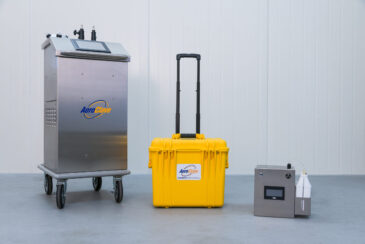
A company like AeroClave focuses on advanced, standardized decontamination of rooms, vehicles, and equipment. That kind of system supports broader MRSA VRE Precautions that already include hand hygiene, Contact Precautions, and routine surface cleaning, helping reduce the chance that resistant germs remain on surfaces or equipment between patients.
Ready to Strengthen Your MRSA VRE Precautions?
If MRSA VRE is a concern in your facility, you don’t have time for guesswork. You need a clear, repeatable process that fits your environment, whether you manage ambulances, hospital rooms, long-term care, schools, or athletic facilities.
Use the contact form above to tell us about your setup, your current cleaning and disinfection process, and where you feel most at risk. Share details like:
- What type of facility you run
- How often you turn over rooms, vehicles, or equipment
- Any recent issues or infection-control challenges you’ve faced
Once you submit the form, our team will review your information and walk you through how our advanced decontamination systems can fit into your workflow, support your existing MRSA VRE Precautions, and help protect the people who rely on you every day.
Don’t wait for an outbreak to expose gaps in your process. Fill out the contact form below now and get a tailored plan for your use case, backed by proven technology and infection-control best practices.
Explore More Articles on Health and Safety
- What You Need to Know About the Dengue Outbreak in 2025
- Razor Blade Throat Covid Variant: What it is and How to Stay Safe
- West Nile Virus: What You Need to Know Now
- Cholera Toxin B: Protecting Against Outbreaks
- Henipavirus: Understanding this Emerging Threat
- Flesh Eating Bacteria in Florida: What You Need to Know
- Measles Outbreak in Wisconsin: What You Need to Know
- Staphylococcus Prevention: How to Stay Safe from Staph Infections
- Best Ways to Kill and Protect Yourself with Legionella Pneumophila Prevention
- How to Kill and Protect Against Norovirus 2025 with AeroClave
- Chikungunya Explained: A Comprehensive Guide
- West Nile Virus Outbreak: What You Need to Know
- Oropouche: What You Need to Know Now
- Nipah Virus: What You Need To Know
- What causes hand foot and mouth disease
- Norovirus vs Food Poisoning: Treatment and Prevention
- How Flu Spreads: Simple Steps to Protect Your Family This Season
- Tuberculosis Outbreak 2025: What You Need to Know Right Now
- The Superbug Showdown: How We Tackle MRSA and NDM-1 Klebsiella
- Beyond the “Stomach Bug”: Killing The Foodborne Pathogen Listeria in Your Facility
© 2026 AeroClave