If it feels like the flu is everywhere, it is not just your group chat. In late December, the CDC reported that 8.2% of outpatient visits nationwide were for influenza-like illness, meaning fever plus cough or sore throat, which is well above baseline.(CDC) A big reason this season feels so intense is the Subclade K Flu, a fast-spreading version of influenza A(H3N2) that has fueled heavy illness levels in many places. You may have seen it labeled the Super Flu, and you may be asking What is Subclade K and why can it make people feel so awful.
This blog post explains what Subclade K Flu is, what symptoms to watch for, who is most at risk, and the practical steps you can take to reduce spread and protect your environment.
What is Subclade K?
What is Subclade K? Subclade K is a variant within influenza A(H3N2). Influenza viruses are always changing through small genetic shifts. Over time, those changes can add up and create a new group within a strain, often called a clade or subclade.
In practical terms, H3N2 Subclade K is still the flu, but it can behave differently from last year’s H3N2 because it is not an identical match to what people’s immune systems have seen before. That can matter for two reasons:
- More people may get infected in the same time window.
- Prior immunity from past infection or vaccination may not block infection as well as you would want, even if it still helps reduce severe outcomes.
So when people say Subclade K Flu, they are talking about a specific branch of H3N2 that has been showing up more often.
Why people are calling it the Super Flu
The phrase Super Flu is not a technical medical term. It tends to pop up when flu activity is very high and spreads fast.
Right now, the bigger issue is volume. In the U.S., flu-like illness has reached levels not seen in decades based on outpatient visit trends, and many states have reported high or very high flu activity. When a lot of people get sick at once, emergency rooms fill up, inpatient beds tighten, and clinics run behind.
That can feel like the flu is worse even if, at the individual level, it still looks like a typical case of influenza for most people. In other words, a season can be system-stressing without the virus being dramatically more severe for every single person.
Subclade K Flu trends that matter
A few patterns have made Subclade K Flu stand out:
- H3N2 is dominant in many areas, and H3N2 Subclade K has made up a large share of the H3N2 viruses being analyzed.
- Some places have seen early starts or longer seasons than usual, which can catch people off guard.
- In the U.S., the season has not necessarily started earlier everywhere, but activity has still reached very high levels in many regions.
Flu seasons are unpredictable. Timing varies year to year and country to country. But when a new variant like H3N2 Subclade K expands quickly, it can help explain why so many communities get hit at the same time.
Subclade K Flu symptoms: what it feels like
For most people, Subclade K Flu symptoms look like regular influenza symptoms, and they often come on suddenly.
Common symptoms include:
- Fever or chills
- Extreme fatigue (the “hit by a truck” feeling)
- Body and muscle aches
- Headache
- Sore throat
- Cough
- Stuffy or runny nose
Some people also report:
- Shortness of breath or feeling winded
- Gastrointestinal symptoms like vomiting or diarrhea (more common in kids)
Symptoms can last a few days to up to two weeks, and it is common for fatigue or cough to linger after the worst part is over.
Flu A vs. Flu B: why Subclade K matters
When people ask What is Subclade K, it helps to place it in the bigger flu picture.
Seasonal flu that spreads widely in humans is usually driven by:
- Influenza A(H1N1)
- Influenza A(H3N2)
- Influenza B
Subclade K Flu is part of influenza A(H3N2). H3N2 seasons have often been linked with heavier impacts on older adults and higher hospitalization pressure, especially when a lot of people become sick at once.
Influenza B can still cause serious illness, but it is not divided into H and N subtypes the same way influenza A is.
How Subclade K Flu spreads and when you are contagious
Like other flu viruses, Subclade K Flu spreads mainly through respiratory droplets when someone coughs or sneezes, and through contact with contaminated hands and high-touch surfaces.
Two timing facts matter for real life:
- Incubation (exposure to symptoms) is often about 1 to 4 days, with around 2 days being common.
- People can be contagious before they feel sick. That means someone can be spreading Subclade K Flu while they still think they are fine.
Kids can also shed virus longer than adults, which is one reason school-based spread can build quickly.
Who is at higher risk of severe illness from Subclade K Flu?
Most people recover, but some groups have a higher risk of severe flu and complications. This includes:
- Adults 65 and older
- Young children, especially under age 2
- Pregnant people
- People who are immunocompromised
- People with chronic conditions (heart disease, lung disease, diabetes, and others)
Complications can include pneumonia and other serious problems that may require hospitalization. A key point is that severe outcomes are not always immediate. Some complications can show up days after the initial flu symptoms start improving.
Is H3N2 Subclade K more severe?
This is one of the most common questions tied to the Super Flu headlines.
Current reporting has not shown clear evidence that H3N2 Subclade K causes more severe disease in every individual case compared with other H3N2 strains. The bigger signal has been how widely it is spreading and how many people get sick in the same period, which can overwhelm care settings.
So the season can be severe overall because:
- Lots of infections happen close together
- Vulnerable people still get hit hard, as in any flu season
- Hospitals and ERs run at tight capacity even on normal days
Flu shots and Subclade K Flu: what to know
A practical way to think about flu vaccination is this:
- The flu shot is not always perfect at preventing infection.
- It is still one of the best tools for reducing your odds of severe illness, hospitalization, and complications.
For the 2025-2026 season, U.S. flu vaccines are formulated to protect against three main viruses (trivalent): an A(H1N1), an A(H3N2), and a B/Victoria lineage virus.
One challenge this season is that H3N2 Subclade K expanded after vaccine strain decisions were made. That can mean the match to the H3N2 component is not as tight as experts would like. Even with that, vaccination is still expected to help protect against severe outcomes, and it also covers the other strains included in the vaccine.
If you are deciding about vaccination for a child or someone with a health condition, your clinician can help you weigh options based on risk and what products are available in your area.
Antivirals: an underused tool for high-risk people
If you are at higher risk for complications, antivirals can matter a lot. They work best when started early. Clinicians may treat based on suspicion of flu in high-risk patients rather than waiting on a test result.
If someone in your household gets the flu and you have a high-risk condition, ask your clinician about what options make sense, including whether post-exposure approaches are appropriate in your situation.
Actionable ways to protect yourself from Subclade K Flu right now
You do not need complicated strategies to cut risk. Consistency wins.
Do the basics well
- Get vaccinated if you have not yet.
- Wash hands regularly with soap and water.
- Avoid close contact with sick people when you can.
- Stay home when you are sick, especially during fever and the peak symptom window.
Use masks strategically
A well-fitting mask can help in crowded indoor settings when flu activity is high, especially if you are high-risk or caring for someone who is.
Test and respond
At-home tests can detect influenza A/B and COVID-19 in some products. Even if you do not test, take symptoms seriously if you are high-risk.
Know when to seek care
Seek medical care promptly if you have warning signs like:
- Trouble breathing
- Chest pain
- Confusion
- Persistent dizziness
- Symptoms that worsen instead of improving
- Fever that does not improve after several days
If you are in a high-risk group, waiting and seeing is not always the best plan.
Disinfection and AeroClave for Subclade K Flu in schools
Other effective ways to disinfect
Manual wipe-down disinfection
When it makes sense: Daily high-touch control when you have a clear checklist and enough staff time to do it correctly. It is also the fastest way to remove visible grime on desks, handles, and shared items.
Main limitation in real operations: Results vary by person and pace. Under time pressure, teams miss touchpoints, skip steps, or wipe surfaces dry before the product has stayed wet long enough to work.
Electrostatic sprayers or pump sprayers
When it makes sense: Covering larger surface areas faster than wipes, especially after school hours or in planned windows when rooms can be treated in a more uniform way.
Main limitation in real operations: They still require training, disciplined setup, and good technique to avoid gaps. You can also run into practical issues like overspray concerns, keeping surfaces wet for the required time, and room downtime while things settle and dry.
UV-C or similar room technologies
When it makes sense: Supplemental room treatment when you have the downtime and can control the space (no people inside, clear safety steps, and a repeatable setup).
Main limitation in real operations: UV is line-of-sight dependent, which means shadowed areas can be missed. It also adds scheduling friction because rooms typically need to be taken out of use during operation.
Where AeroClave fits into a schools protection plan
When Subclade K Flu is moving through a school, the operational reality gets brutal fast. Rooms turn over constantly. Hundreds of hands touch the same surfaces every hour. Staff are stretched thin. And leadership still has to show that cleaning and disinfection are being done consistently, not just when someone has time.
You can have a solid plan on paper and still lose control in execution. Passing periods are short. Lunch waves stack up. After-school activities keep spaces in use late. Under those conditions, manual wipe-downs become uneven, and the missed touchpoints add up.
That is where AeroClave fits.
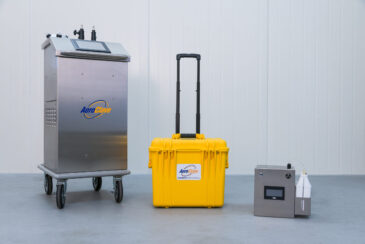
AeroClave helps schools reduce cross-contamination risk by supporting standardized room/space decontamination workflows built for real facilities where speed, consistency, and coverage matter. It is designed to reduce the variability that comes with manual wipe-downs, where outcomes change based on the person, the time available, and the technique used. The point is operational reliability: a repeatable process schools can run the same way across rooms, buildings, and shifts.
How AeroClave works in a schools environment
In plain terms, AeroClave supports decontamination of indoor spaces by distributing Vital Oxide as the disinfecting solution so the room or area is treated as a system, not just a checklist of surfaces. This matters in schools because rushed cleaning often misses the same kinds of spots: edges, corners, undersides, and complex surfaces that are hard to wipe quickly and consistently.
AeroClave is not a replacement for basic cleaning. It strengthens the overall program by making the disinfection step more reliable and easier to standardize across multiple rooms, buildings, and staff shifts, especially when day-to-day conditions make perfect manual execution unrealistic.
Because schools operate under constant time pressure, AeroClave is often the preferred/best option compared to relying only on manual wipe-downs, sprayers, or UV. The advantage is not hype. It is repeatable. AeroClave helps reduce variability, supports more consistent coverage across teams, and is easier to sustain as a documented standard operating procedure while still integrating alongside routine cleaning.
Why schools teams use AeroClave during heavy Subclade K Flu activity
Schools teams typically choose AeroClave when they want to:
- Standardize results with a repeatable process
- Improve coverage beyond surface-by-surface wiping alone
- Support faster turnaround by reducing variability under time pressure
- Strengthen compliance and credibility with documented, consistent procedures
- Reduce operational disruption by integrating a structured decontamination step into routine plans
What success looks like
In practice, AeroClave helps schools teams move from best effort disinfection to a more controlled, repeatable routine:
- Cleaning happens first to remove visible soil
- Vital Oxide is applied as part of a defined AeroClave workflow
- Staff follow label-driven basics (PPE, ventilation where relevant, and required wet contact time)
- The process is documented so it stays consistent across days and teams
Fill out the form below to learn more about AeroClave and how it fits into your protection plan based on your facilities, staffing limits, and turnaround needs.
Conclusion: Subclade K Flu
In conclusion, Subclade K Flu is still seasonal influenza, but it has driven a tough wave of illness in many communities because it is spreading widely and hitting schools and other shared spaces fast. If you have been hearing the term Super Flu, the practical takeaway is not panic, it is preparation: watch for classic flu symptoms, protect higher-risk students and staff, and tighten routines that reduce cross-contamination when people are cycling through the same rooms and touchpoints all day. If you are asking What is Subclade K, the answer is straightforward: it is a newer variant within influenza A(H3N2) that appears different enough from recent strains to contribute to more infections during the season, even while the basics of prevention still apply. The best results come from a layered plan that combines smart personal habits, vaccination decisions made with a healthcare provider when needed, and operationally realistic cleaning and disinfection workflows that can be executed consistently under time pressure. To learn more about how AeroClave can fit into your school protection plan, fill out the form below.
Sign Up Below To Learn If AeroClave is Right For You
FAQs About Subclade K Flu
What is Subclade K?
What is Subclade K? It is a variant within influenza A(H3N2). Flu viruses change over time, and Subclade K is a newer genetic branch of H3N2 that has been detected more often during the current season.
Is Subclade K Flu the same thing as the Super Flu?
Yes, people often use Super Flu to refer to the current wave of illness linked to H3N2 Subclade K. The phrase is not a formal medical label. It usually reflects how widespread and disruptive the season feels.
Is H3N2 Subclade K more dangerous than other flu strains?
The main concern has been how broadly H3N2 Subclade K can spread, not that it causes totally different symptoms for everyone. Any flu can be dangerous for high-risk groups, and heavy community spread increases the number of severe cases simply because more people get infected.
What are the most common Subclade K Flu symptoms?
Subclade K Flu symptoms are similar to typical influenza: fever or chills, cough, sore throat, aches, headache, congestion, and extreme fatigue. Some people, especially children, may also have vomiting or diarrhea.
How long does Subclade K Flu last?
Many healthy adults start to feel better within about a week, but symptoms can last longer, and fatigue or cough may linger. If symptoms worsen or you develop shortness of breath, chest pain, or persistent fever, contact a clinician.
Does the flu shot still help with Subclade K Flu?
Yes, vaccination is still expected to reduce the risk of severe outcomes. Even when the match is not perfect, flu vaccination can help lower the chance of hospitalization and serious complications and also protects against other strains included in the vaccine.
When should I ask about antiviral treatment?
If you are in a high-risk group (older adult, very young child, pregnant, immunocompromised, or chronic conditions), contact a clinician early when symptoms start. Antivirals tend to work best when started quickly.
What is AeroClave?
AeroClave is a business that provides advanced decontamination solutions used by organizations that need more standardized, repeatable environmental hygiene, especially when there is pressure to turn spaces around quickly and reduce cross-contamination risk.
What kinds of organizations work with AeroClave?
AeroClave supports organizations that operate in high-traffic or high-turnover environments where infection control matters, such as public-facing and operational settings that cannot afford long downtime.
Can AeroClave replace basic cleaning in a flu season?
No. Basic cleaning, hand hygiene, and staying home when sick are foundational. AeroClave is best thought of as a way to strengthen an overall protection plan by improving consistency and coverage.
Explore More Articles on Health and Safety
- What You Need to Know About the Dengue Outbreak in 2025
- Razor Blade Throat Covid Variant: What it is and How to Stay Safe
- West Nile Virus: What You Need to Know Now
- Cholera Toxin B: Protecting Against Outbreaks
- Henipavirus: Understanding this Emerging Threat
- Flesh Eating Bacteria in Florida: What You Need to Know
- Measles Outbreak in Wisconsin: What You Need to Know
- Staphylococcus Prevention: How to Stay Safe from Staph Infections
- Best Ways to Kill and Protect Yourself with Legionella Pneumophila Prevention
- How to Kill and Protect Against Norovirus 2025 with AeroClave
- Chikungunya Explained: A Comprehensive Guide
- West Nile Virus Outbreak: What You Need to Know
- Oropouche: What You Need to Know Now
- Nipah Virus: What You Need To Know
- What causes hand foot and mouth disease
- Norovirus vs Food Poisoning: Treatment and Prevention
- How Flu Spreads: Simple Steps to Protect Your Family This Season
- Tuberculosis Outbreak 2025: What You Need to Know Right Now
- The Superbug Showdown: How We Tackle MRSA and NDM-1 Klebsiella
- Beyond the “Stomach Bug”: Killing The Foodborne Pathogen Listeria in Your Facility
© 2026 AeroClave