Recent industry projections for 2026 indicate that facility maintenance costs related to infection control will continue to rise as organizations prioritize long term health outcomes. Implementing a robust strategy for Facility Wide Disinfection is no longer a luxury but a fundamental requirement for operational continuity. This article examines the technical requirements, industry challenges, and advanced technologies necessary to maintain a safe environment.
Understanding Facility Wide Disinfection
Facility wide disinfection is a systematic approach to eliminating harmful pathogens from every reachable surface within a professional environment. Unlike localized cleaning, this process involves a comprehensive assessment of the entire facility to ensure no area is left untreated. It requires a deep understanding of the technical distinctions between cleaning, sanitizing, and disinfecting to reach required safety thresholds.
The Scientific Hierarchy of Surface Hygiene
The effectiveness of any safety protocol depends on following a specific hierarchy of hygiene. This hierarchy ensures that chemical agents can interact with pathogens without interference from environmental debris.
The Role of Cleaning and Sanitizing
Cleaning refers to the removal of dirt, impurities, and germs using soap or detergent. This step is essential because impurities can shield pathogens from the effects of chemical agents. Sanitizing reduces the number of germs to a safe level as judged by public health standards. While these steps are necessary, they do not provide the level of pathogen elimination required for high risk environments.
The Critical Stage of Disinfection
Disinfection is the final stage where chemical agents are used to kill germs on surfaces. By utilizing EPA registered disinfectants, facilities can target specific bacteria, viruses, and fungi. This stage is non-negotiable for areas where people have been ill or where high traffic increases the risk of transmission.
The Stakes: Mission Readiness and Liability
The primary objective of any disinfection program is mission readiness. In high stakes environments, the health of the personnel is the most valuable asset. If a facility is compromised by an outbreak, the resulting downtime can lead to significant financial loss and a reduction in service capacity.
Personnel Safety and Mission Continuity
Safety and liability play a major role in how facilities manage their hygiene protocols. Organizations must adhere to strict guidelines, such as OSHA 29 CFR 1910.1200, which governs hazard communication. Failure to maintain a safe environment can lead to regulatory fines and legal challenges. Proactive disinfection serves as a defensive shield against these operational risks.
Regulatory Compliance and Risk Mitigation
Facility managers must consider the legal implications of their disinfection choices. Following guidelines established by the CDC and state authorities, such as the New York State Department of Environmental Conservation, ensures that the facility remains compliant. This compliance is essential for avoiding the liability associated with preventable disease outbreaks.
The Operational Realities of Modern Facilities
The modern facility manager faces a unique set of obstacles that make manual cleaning difficult to sustain. These challenges are often compounded by the physical layout of the building and the behavior of its occupants in high tempo environments.
Staffing and Training Constraints
Finding and retaining trained personnel is a persistent challenge. Every staff member must be educated on the correct use of personal protective equipment (PPE), including gloves and goggles. They must also understand how to read a Safety Data Sheet (SDS) to identify chemical hazards. When staff turnover is high, the consistency of the disinfection process often suffers, leading to gaps in the safety barrier.
Rapid Turnover and High Traffic Demands
In community settings like gyms, offices, and schools, rooms must be turned over quickly to accommodate the next group of users. This speed often comes at the expense of thoroughness. High touch surfaces like door handles, light switches, and elevator buttons require constant attention. However, these areas are frequently overlooked during rapid cleaning cycles.
Pathogen Persistence and Resistance
Certain germs are more difficult to remove or kill than others. Bacteria and viruses can linger on hard surfaces for days if the correct contact time is not met. If a disinfectant is not EPA registered for a specific pathogen, it may provide a false sense of security. This persistence requires a more aggressive and scientific approach to chemical application.
Environmental Factors and Pathogen Survival
Temperature, humidity, and surface porosity all play a role in how long a pathogen survives. In environments with complex equipment or soft surfaces like upholstery and carpets, standard wiping is often insufficient. These areas can harbor contaminants that are easily spread through touch or air circulation.
Technical Comparison of Disinfection Technologies
As technology evolves, facility managers must evaluate the different methods available for pathogen control. Understanding the strengths and limitations of each technology is critical for making an informed investment.
Manual Surface Protocols and Human Error
Manual wiping remains the foundation of most programs because it allows for the physical removal of dirt and biofilm that automated systems might miss. However, manual labor is prone to variability and mechanical failure.
The Problem with Laundered Tools and Quat Binding
Research indicates that using the wrong tools can actually hinder the process. For example, cotton cloths can reduce the efficacy of certain disinfectant chemicals by as much as 85 percent. This phenomenon, known as quat binding, occurs because the fibers absorb the active ingredients. This leaves the facility under treated despite the effort expended by the staff.
Limitations of Electrostatic Disinfection Spray and Fogging
An electrostatic disinfection spray or fogging system is often used to supplement manual cleaning. These technologies can enhance efficiency by covering large areas quickly. However, they are not without risks. They should not be used as a primary substitute for standard cleaning. If used incorrectly, these systems can pose respiratory risks to the operator and other occupants.
UV-C Disinfection and Touchless Systems
UV-C disinfection robots and touchless systems represent the cutting edge of facility wide disinfection. These tools are designed to reach areas that are challenging to clean manually. They provide an added layer of protection by utilizing light or automated mists to neutralize pathogens.
The benefit of these systems is their ability to reduce human contact with contaminated surfaces. By automating the process, facilities can achieve a higher level of consistency. However, these tools must be integrated into a broader strategy that includes regular physical cleaning to remain effective.
Disinfection Strategies for Facility Wide Disinfection
The high tempo reality of daily operations often creates a gap between written protocol and the actual level of cleanliness. Manual wiping alone is rarely sufficient to cover the complex geometries of a modern workspace. This reality forces leaders to look for more efficient and repeatable solutions that can bridge the gap between “standard protocol” and “total decontamination.”
Where AeroClave Fits into a Professional Protection Plan
Operating a professional facility in 2026 requires more than just a bucket and a mop. The pressure to maintain a sterile environment while managing costs and personnel is intense. Leaders need a system that removes the guesswork from the equation and provides documented results.
That is where AeroClave fits.
AeroClave provides a level of consistency that manual labor cannot match. By treating the room as a system rather than a collection of individual surfaces, it ensures that every square inch receives the necessary dose of disinfectant. This transition from manual variability to automated precision is the hallmark of a modern safety program.
How AeroClave works in a facility environment
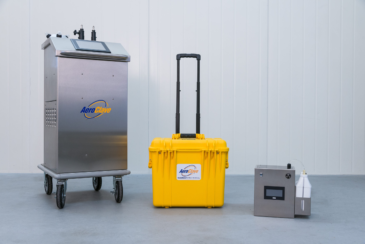
The AeroClave system utilizes an automated process to distribute a fine mist of disinfectant throughout a space. This method ensures that the chemical reaches hidden areas, such as the undersides of desks and the interior of ventilation vents. It effectively turns the entire room into a controlled environment for disinfection.
Our reccomended solution used for this process is Vital Oxide, which is an EPA registered disinfectant. This product is effective against a wide range of bacteria and viruses without harsh odors or corrosive properties. When integrated with AeroClave technology, it provides a powerful and safe solution for facility wide needs.
Why facility teams use AeroClave during heavy pathogen activity
- Standardization: Every room is treated with the exact same level of care and chemical concentration.
- Coverage: The system reaches areas that are physically impossible to wipe by hand.
- Speed: Entire rooms can be disinfected in a fraction of the time it would take a manual crew.
- Compliance: The process ensures that the required wet time is met for every application.
- Integration: It works alongside existing cleaning protocols to provide an added layer of protection.
What success looks like: The 4 step workflow
To achieve the best results, facilities should follow a structured workflow:
- Clean First: Remove visible dirt and debris using soap and water to ensure the disinfectant can reach the surface.
- AeroClave Workflow: Activate the system to distribute the disinfectant across the entire room.
- Label Basics: Ensure all treated areas are properly labeled and the required contact time is observed.
- Repeat: Use in the next room or after any exposure or suspected exposure occurs.
Operational Best Practices for Staff Safety and Compliance
A successful disinfection program is only as good as the people who manage it. Protecting the staff who perform these tasks is a moral and legal obligation.
Hazard Communication and SDS Management
Every facility must have a clear policy for hazard communication. This includes providing staff with access to Safety Data Sheets (SDS) for every chemical used on the premises. These sheets contain vital information on how to handle spills, what PPE is required, and what to do in case of accidental exposure. Training should be ongoing and comprehensive to lead to better compliance and a safer workplace.
Environmental Controls and Ventilation
Disinfection chemicals can be harmful if they are inhaled or touched. To mitigate this risk, facilities must ensure adequate ventilation during and after the disinfection process. This involves bringing in fresh air from the outdoors and utilizing HVAC settings to increase air circulation. Opening doors and windows is a simple but effective way to reduce the concentration of chemical fumes.
Proper Storage and Handling of Chemicals
Chemicals must be stored in their original containers and kept out of the reach of children and animals. Mixing different cleaning products is strictly forbidden. Mixing chemicals can produce toxic fumes that are hazardous to health. Staff should also be trained on the importance of labeling to prevent accidental ingestion or misuse of the product.
Disinfection Strategies for High-Tempo Facilities
In the demanding landscape of 2026, where facility managers and first responders face constant biological threats, relying on a single, flawed method of decontamination is no longer an option. The operational reality of a fire station or a busy surgical center requires a strategy that balances speed with clinical-grade efficacy.
Manual Surface Protocols: Strengths vs. Human Error
Manual cleaning is the necessary first step in any infection control plan. Its primary strength lies in the removal of gross bioburden, such as dirt, blood, or grime, which can physically shield pathogens from secondary disinfection methods like UV-C light disinfection. However, the reality of the high-stakes environment is that manual wiping is inherently limited by human variability.
Staff members under pressure may overlook high-touch surfaces like the undersides of equipment rails or the intricate buttons on a ventilator. Furthermore, reliance on chemical wipes often fails because the surface dries before the disinfectant neutralizes the pathogen, preventing the necessary contact time.
Where AeroClave Fits into a Facility Protection Plan
Managing a modern healthcare or emergency facility involves constant pressure to reduce “wall time” and turn over rooms or vehicles at a moment’s notice. When a crew is moving from one high-risk call to the next, they do not have the luxury of waiting for an hour-long, line-of-sight dependent UV cycle that might still leave “shadowed” pathogens active in the cabin.
That is where AeroClave fits.
AeroClave designed its system specifically to solve the consistency problem of manual cleaning and the coverage limitations of UV-C light disinfection. By utilizing a hands-free, automated process, AeroClave removes the variable of human error and ensures the treatment of every square inch of a space, regardless of its geometry.
How AeroClave Works in a High-Stakes Environment
AeroClave treats the entire room as a single, integrated system. Unlike light-based systems that only hit what they can “see,” AeroClave utilizes an atomized fog of Vital Oxide. This EPA-registered hospital disinfectant is dispersed in a fine mist that permeates the entire volume of a room, reaching into crevices, under cabinets, and behind monitors where light simply cannot travel.
The use of Vital Oxide is a critical distinction. While ultraviolet radiation can damage sensitive electronics and upholstery over time, Vital Oxide is a shelf-stable, surface safe solution that is safe for use on the complex equipment found in modern ambulances and ICUs. It provides a level of coverage that is physically impossible for a stationary UV lamp to achieve.
The Preferred Option for Professional Teams
AeroClave has become the preferred option for professional organizations because it prioritizes repeatability and documentation. In the context of 2026 safety standards, simply “doing the work” is not enough; you must be able to prove it. AeroClave provides a consistent, validated process.
Why Facility Teams Use AeroClave During Heavy Pathogen Activity
When pathogen activity increases during peak flu seasons or unexpected outbreaks, teams need a system they can trust without hesitation:
- Standardization: Every cycle is identical, ensuring that the level of disinfection does not change based on who is on shift.
- Total Coverage: The fog reaches shadowed areas and complex surface topographies that UV light misses.
- Operational Speed: Facilities can be treated and re-occupied quickly without the lingering risks of ozone or air pollutants.
- Equipment Safety: The process is gentle on expensive monitors, radios, and medical equipment, preventing the cracking and fading associated with UV.
- Regulatory Compliance: The system meets the rigorous standards required for hospital-grade disinfection and is backed by EPA-registered chemistry.
What Success Looks Like: The 4-Step Workflow
AeroClave simplifies the decontamination process into a clear, manageable workflow that ensures maximum safety with minimum downtime:
- Clean First: Perform a standard manual wipe-down to remove visible dirt and gross bioburden from surfaces.
- AeroClave Workflow: Position the AeroClave unit and initiate the automated cycle, allowing the atomized Vital Oxide to fill the space.
- Label Basics: Ensure the area is properly identified as undergoing disinfection, maintaining safety for nearby personnel.
- Repeat: Use in the next room or after any exposure or suspected exposure occurs.
To learn more about how to integrate this level of safety into your operational reality, visit our contact page to speak with an expert.
Conclusion: Facility Wide Disinfection
In conclusion, Facility Wide Disinfection is a complex but essential task for any professional organization. By understanding the specific needs of your industry and implementing a multi layered strategy, you can significantly reduce the risk of infection. This involves a combination of manual cleaning, automated technology, and rigorous staff training.
Prioritizing these protocols is an investment in the health and mission readiness of your team. Whether you are managing a school, a hospital, or an office building, the goal remains the same: a cleaner, safer space for everyone. To find out how to elevate your facility hygiene, contact AeroClave to request a customized service solution today.
Sign Up Below To Learn If AeroClave is Right For You
FAQs About Facility Wide Disinfection
What is the difference between cleaning and disinfecting?
Cleaning involves the physical removal of dirt and germs using soap or detergent. Disinfecting uses chemicals to kill the remaining germs on a surface. Both steps are required for a complete hygiene protocol.
Why is contact time important for disinfectants?
Contact time, or wet time, is the duration a disinfectant must stay wet on a surface to effectively kill pathogens. If the surface dries too quickly, the chemical may not have enough time to eliminate the target germs.
Is AeroClave safe for use in populated facilities?
AeroClave should be used according to the manufacturer’s instructions, which typically involve treating unoccupied spaces. The system utilizes EPA registered solutions like Vital Oxide to ensure a safe and effective outcome once the process is complete.
Can I use any chemical in an electrostatic disinfection spray system?
No. You must only use chemicals that are explicitly labeled for use in electrostatic sprayers. Using the wrong chemical can damage the equipment and pose significant safety risks to the operator.
How often should high touch surfaces be disinfected?
In high traffic areas, high touch surfaces should be disinfected multiple times throughout the day. The frequency depends on the volume of people using the space and the current level of pathogen activity in the community.
Explore More Articles on Health and Safety
- Managing Facility Safety During a Legionnaires Disease Outbreak 2026
- The New Front Line: Managing the Nipah Virus Outbreak 2026
- How to Prevent HAI in Hospitals
- Stop the Spread of Whooping Cough (Pertussis)
- Comparing The Best Automated Disinfection Systems on the Market
- MDRO: What It Means, How It Spreads, and What You Can Do About It
- Stop a Kennel Cough Outbreak Before It Spreads
- Protect Yourself from Subclade K Flu (The Super Flu)
- Measles Outbreak 2026: What to Do, What to Watch For, and How to Stop the Spread
- Locker Room Fungus: How to Stop Athletes Foot and Ringworm
- Candida Auris and Its Impact on Patient Safety
- How Long Will Norovirus Last and Its Impact
- Hantavirus Signs and Symptoms: How to Spot This Rare but Serious Infection Early
- MRSA VRE: Protecting Yourself from Infections
- Florida legionnaires outbreak: What’s Happening in Orange County and What to Do Next
- How Contagious is Hand foot and mouth disease?
- Norovirus vs Food Poisoning: Treatment and Prevention
- Emerging Threat Prep: Why You Should Already Have a Protocol for Avian Flu
- How to Prevent the Spread of RSV
- The Superbug Showdown: How We Tackle MRSA and NDM-1 Klebsiella
- Beyond the “Stomach Bug”: Killing The Foodborne Pathogen Listeria in Your Facility
© 2026 AeroClave