On March 25, 2026, the Italian Ministry of Health confirmed the first human case of H9N2 influenza in the EU/EEA. This milestone represents a significant shift in the geographic footprint of H9N2 human cases, which have historically been concentrated in Asia and Africa. While the current risk to the general population remains low, the entry of this avian strain into the European theater demands a rigorous re-evaluation of infection control protocols for healthcare facilities and emergency responders. This article examines the clinical profile of the virus, the operational risks of environmental contamination, and the advanced disinfection strategies required to maintain mission readiness.

Understanding H9N2 Human Cases
The H9N2 virus is a subtype of influenza A that primarily circulates in bird populations. Until recently, global health authorities monitored the virus as a localized threat, with 90 percent of all recorded infections originating in China. As of February 27, 2026, 195 human cases had been documented worldwide across 10 countries. The recent case in the Lombardy region of Italy involves a patient who returned from a non-European country where the virus is known to circulate in poultry.
The Technical Profile of Avian Influenza A(H9N2)
In the hierarchy of zoonotic threats, H9N2 is classified as a low pathogenicity avian influenza (LPAI) virus. This classification refers specifically to the severity of the disease the virus causes in poultry, rather than in humans. For avian species, low pathogenicity means the virus might cause mild symptoms or a drop in egg production. However, for humans, the clinical outcome can vary based on underlying health conditions and the level of exposure.
Pathogenicity Classifications and Human Health
Low pathogenicity does not mean low risk. In a clinical setting, a virus that is mild for birds can still cause significant distress in a vulnerable human host. The 2026 case in Italy involved a patient with co-existing medical conditions. This intersection of a novel pathogen and pre-existing fragility requires a high-level response from clinical staff.
Viral Adaptation and Monitoring
Authorities monitor these cases to detect signs of viral mutation. If a virus adapts to grow more efficiently in humans, the risk of a pandemic increases. Currently, transmission occurs through direct contact with infected birds or contaminated environments. Maintaining strict environmental controls is the first line of defense against potential adaptation.
Clinical Presentation and H9N2 Virus Symptoms
The clinical presentation of this infection often mimics seasonal flu, which complicates early detection. Key H9N2 virus symptoms include fever, cough, and sore throat. In the 2026 case in Italy, the patient required hospital isolation and specialized medical treatment. Public health data indicates that eye redness and irritation, known as conjunctivitis, is a predominant symptom in many recent avian influenza infections.
Identifying Conjunctivitis and Respiratory Distress
Clinical teams must look for eye irritation as a primary red flag. Unlike the seasonal flu, which is mostly respiratory, H9N2 often presents with ocular symptoms. These symptoms can appear within one to two days after exposure. Respiratory symptoms like cough and fever usually follow shortly after.
Complications in Vulnerable Populations
For patients with comorbidities, the infection can progress to pneumonia or respiratory failure. Sepsis and multi-organ failure are also possible in severe cases. This progression emphasizes the need for rapid diagnosis and early antiviral treatment. Early intervention is the most effective way to reduce the risk of mortality.
Zoonotic Pathogen Management
For healthcare administrators and emergency managers, the arrival of a new pathogen is not just a clinical concern. It is an operational and liability risk. Maintaining mission readiness requires a workforce that is protected from cross-contamination and environmental hazards. If a facility becomes a hub for an avian flu outbreak, the resulting staff shortages can be catastrophic.
Mission Readiness and Personnel Safety
Mission readiness depends on the health of the frontline staff. In high-tempo environments like EMS or emergency departments, a single infected patient can lead to multiple staff exposures if disinfection protocols are insufficient. The CDC notes that the period of contagiousness for these viruses is not fully understood. Some patients may be most contagious during the first few days of illness.
Managing Staff Shortages and Exposure Risks
A sudden cluster of infections among staff members can shut down an entire department. When healthcare workers are exposed, they must enter a monitoring period of 10 days. This creates a massive hole in the staffing schedule. Advanced disinfection protocols minimize the chance of these workplace exposures occurring in the first place.
Protecting the Chain of Care
From the point of injury to the hospital bed, every link in the chain of care must be secure. If an ambulance is not properly decontaminated after transporting an H9N2 patient, the next crew is at risk. This risk extends to the hospital intake area and eventually the isolation ward. A single break in the chain compromises the entire mission.
Liability and Regulatory Compliance
Regulatory bodies like the ECDC and CDC have established specific frameworks for managing human infections with avian viruses. Failure to adhere to these guidelines can lead to significant liability. Organizations must be able to demonstrate that they have met the standard of care for decontamination. This is essential for defending against claims of negligence should an outbreak occur within a facility.
Adhering to ECDC and CDC Frameworks
The ECDC maintains a protocol for the investigation and management of human infections in the EU/EEA. These protocols mandate specific PPE and environmental cleaning standards. Following these guidelines is not optional. It is a regulatory requirement that protects both the patient and the organization.
Environmental Documentation and Safety Standards
Maintaining a safe environment requires more than just action. It requires a commitment to repeatable standards. When a facility can show a consistent history of high-level disinfection, it builds trust with the public and regulators. This consistency is the hallmark of a world-class safety culture.
The Challenges of Controlling Zoonotic Spread
Controlling H9N2 human cases involves more than just patient isolation. The primary challenge lies in the way the virus survives in the environment. Avian influenza viruses are known to persist on surfaces and in the air, creating multiple pathways for infection. For professionals in high-stakes environments, the gap between theoretical protocol and operational reality is often significant.
Pathogen Persistence in High-Tempo Environments
In a busy hospital or an ambulance, room turnover happens in minutes. This speed often comes at the expense of thorough decontamination. The H9N2 virus can survive in environments contaminated with feces, respiratory droplets, or saliva. If these materials are not completely eradicated, the next person to enter the space is at risk.
The Role of Dust and Droplets
A critical and often overlooked transmission route is the inhalation of virus-contaminated dust or droplets. When contaminated surfaces are disturbed, small particles can become airborne. A person can become infected by breathing in these particles. This makes the “room as a system” approach to disinfection vital for safety.
Complexity of Modern Medical Equipment
Modern healthcare rooms are filled with complex electronics and sensitive monitors. These items have crevices and recessed areas that are nearly impossible to clean with a manual wipe. If the virus settles into these areas, it can remain active for days. This creates a persistent environmental reservoir that can lead to unexpected infections.
Asymptomatic Contagion Risks
A major operational hurdle is the existence of asymptomatic cases. The CDC has reported that some individuals infected with avian influenza show no symptoms but can still be contagious. This means that a facility cannot rely solely on screening for fever or cough. High-level disinfection must be a standard part of the operational workflow.
Gaps in Standard Screening Protocols
Standard screening usually focuses on temperature and visible symptoms. Because avian flu can be asymptomatic or present with only eye irritation, these screenings can miss infected individuals. An infected person could move through a facility, leaving behind a trail of contamination. This reality makes universal environmental disinfection a necessity.
Persistence in Raw Materials and Byproducts
The virus is not only found in patients. It can be carried on clothing, equipment, or in animal byproducts like raw milk. For travelers returning from affected regions, their luggage or gear could serve as a vehicle for the virus. Managing these external vectors requires a comprehensive decontamination strategy.
Disinfection Strategies for H9N2 Human Cases
Traditional cleaning methods often fail to address the complexity of zoonotic pathogens. Indeed, to mitigate the risk of H9N2 outbreaks, organizations must move beyond simple wipe-downs. Instead, they must adopt integrated, high-level disinfection strategies that address the entire environment. Ultimately, this involves understanding the strengths and limitations of current tools in the field.
The Limitations of Current Protocols
Standard cleaning protocols are designed for common bacteria and seasonal viruses. They are often insufficient for the environmental resilience of avian influenza strains. When a facility manages an imported case of H9N2, the level of contamination requires a more comprehensive approach.
Manual Surface Protocols and Human Error
Manual cleaning is the foundation of infection control, but it is prone to significant variability. Personnel may miss high-touch surfaces or fail to allow the proper dwell time for chemicals to work. In a high-pressure medical setting, the human error rate increases. Manual cleaning cannot address pathogens that have settled in recessed areas or ventilation grilles.
Limitations of Pump Sprayers and Wipes
Pump sprayers often create “hot spots” of chemical application while leaving other areas untouched. Wipes can inadvertently spread pathogens from one surface to another if not used correctly. Neither method addresses the air or the hidden surfaces behind equipment. This leaves a facility vulnerable to the persistence of the virus.
Where AeroClave Fits into a Healthcare Protection Plan
High-tempo operations require a disinfection solution that is both repeatable and verifiable. When dealing with a low pathogenicity but high-persistence virus like H9N2, the goal is to eliminate the environmental reservoir entirely.
The management of healthcare facilities and public health response teams requires a focus on operational safety and precision. When a new pathogen like the avian influenza A(H9N2) virus enters a new geographic region, the burden on these teams increases. The complexity of managing H9N2 human cases is compounded by the high-tempo nature of modern clinical environments.
Infection control officers face the dual challenge of protecting their staff and preventing the spread of a virus that can persist in the environment. Manual cleaning, while necessary, is often not enough to address the risks posed by zoonotic pathogens that can survive in dust, droplets, and organic matter.
That is where AeroClave fits.
The manual approach to disinfection is limited by the variability of human performance. Specifically, even the most dedicated staff can miss a surface or fail to apply a disinfectant for the required amount of time. Consequently, in a fast-moving emergency department or a busy clinic, these small errors can lead to major safety failures. To address this issue, AeroClave provides an automated, standardized process that eliminates this inconsistency.
How AeroClave works in an H9N2 environment
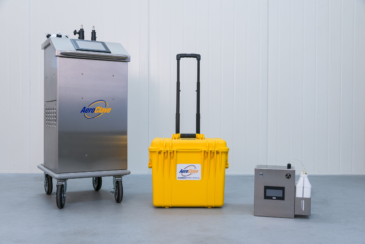
AeroClave utilizes a specialized process that treats the room as a system. By using EPA–registered disinfectants, the system produces a fine mist that covers every surface within a space. This includes areas that are impossible to reach with a cloth or a manual spray, such as the internal components of medical monitors and the undersides of patient beds.
The process is designed to be comprehensive. It addresses the virus where it lives: in the air and on surfaces. By saturating the environment with a precise amount of disinfectant, the system ensures that the virus is neutralized. This approach is particularly effective against avian influenza viruses, which the CDC identifies as being spread through contact with contaminated surfaces and respiratory droplets.
The Preferred Option for Repeatability and Safety
Professional organizations prefer this technology because it offers a level of repeatability that manual cleaning cannot match. Every disinfection cycle follows a programmed protocol that ensures consistent results every time. This consistency is the foundation of a reliable infection control plan.
In the event of an investigation into H9N2 human cases, having a verifiable record of decontamination efforts is a critical asset. It proves that the facility followed a high-level disinfection protocol and took every possible step to protect patients and staff. This transparency is a cornerstone of modern healthcare management and mission readiness.
Why healthcare teams use AeroClave during heavy H9N2 activity
- Standardization: The automated system ensures that every room receives the same high level of treatment, removing the risk of human error.
- Coverage: The mist reaches into every corner and crevice, providing 360-degree coverage of complex medical equipment and furniture.
- Speed: Rapid decontamination cycles allow for faster room turnover without sacrificing the quality of the disinfection process.
- Compliance: The system helps facilities adhere to the strict isolation and decontamination guidelines issued by international health authorities.
- Integration: AeroClave fits into existing workflows, allowing staff to focus on patient care while the system handles the technical aspects of environment safety.
What success looks like
Achieving a safe environment in the face of H9N2 human cases requires a structured four-step workflow. First, the environment must be cleaned of all visible organic matter and soil. Second, the AeroClave system is activated to provide a hands-free, high-level disinfection of the entire space. Third, clear labeling is used to indicate that the area has been decontaminated and is safe for occupancy. Finally, the cycle is confirmed to ensure that the facility maintains its standard of care.
As the global landscape of zoonotic threats evolves, maintaining a high-tempo disinfection capability is essential for operational reality, and organizations can secure their facilities by utilizing the contact form.
Conclusion: H9N2 Human Cases
In conclusion, the emergence of H9N2 human cases in Europe underscores the need for robust and automated infection control strategies. While the current pathogenicity of the virus in humans is described as low, the risk of environmental contamination and potential genetic reassortment cannot be ignored. Facilities that rely solely on manual cleaning are leaving themselves vulnerable to the persistence of avian influenza strains. By adopting automated systems like AeroClave, healthcare and public health organizations can ensure a higher standard of safety. Protect your facility and your personnel by visiting the contact form to discuss your specific decontamination requirements.
Sign Up Below To Learn If AeroClave is Right For You
FAQs About H9N2 Human Cases
How does the AeroClave system handle complex medical equipment?
AeroClave is designed to be safe for use around sensitive electronics and complex medical devices. The fine mist of EPA–registered disinfectants provides comprehensive coverage without the need for saturated wiping, which can damage delicate components. This makes it an ideal solution for hospital isolation rooms and diagnostic laboratories where specialized equipment is constantly in use.
Can the AeroClave system be used in ambulances and mobile units?
Yes, the AeroClave system is highly portable and can be used to disinfect ambulances, mobile clinics, and other transport vehicles. This is especially important for EMS teams who may be the first to encounter travelers infected with the H9N2 virus. The automated process allows for a thorough decontamination of the vehicle in between calls, ensuring that the next patient and the crew are protected from cross-contamination.
What are the predominant symptoms of an H9N2 infection in humans?
Based on recent data from the CDC and international health authorities, the predominant symptoms include fever, cough, and sore throat. However, eye redness and irritation, also known as conjunctivitis, have been noted as significant indicators in recent avian influenza cases. In more severe instances, patients may develop pneumonia or respiratory failure, particularly if they have underlying health conditions.
How is the H9N2 virus transmitted to people?
Transmission typically occurs through direct contact with infected poultry or by being in a heavily contaminated environment. People can become infected by breathing in respiratory droplets or dust particles that contain the virus. Additionally, touching a surface contaminated with the virus, such as feces or saliva, and then touching the eyes, nose, or mouth is a common route of infection.
What is the current risk level for H9N2 in the EU/EEA?
As of March 2026, the ECDC assesses the risk to the general population in the EU/EEA as very low. While the case in Italy is the first of its kind in the region, there has been no documented evidence of person-to-person transmission for this specific strain. However, health authorities remain vigilant and continue to monitor the situation for any signs of virus mutation or increased transmission.
Explore More Articles on Health and Safety
- Managing Facility Safety During a Legionnaires Disease Outbreak 2026
- The New Front Line: Managing the Nipah Virus Outbreak 2026
- How to Prevent HAI in Hospitals
- Stop the Spread of Whooping Cough (Pertussis)
- Comparing The Best Automated Disinfection Systems on the Market
- MDRO: What It Means, How It Spreads, and What You Can Do About It
- Stop a Kennel Cough Outbreak Before It Spreads
- Protect Yourself from Subclade K Flu (The Super Flu)
- Measles Outbreak 2026: What to Do, What to Watch For, and How to Stop the Spread
- Locker Room Fungus: How to Stop Athletes Foot and Ringworm
- Candida Auris and Its Impact on Patient Safety
- How Long Will Norovirus Last and Its Impact
- Hantavirus Signs and Symptoms: How to Spot This Rare but Serious Infection Early
- MRSA VRE: Protecting Yourself from Infections
- Florida legionnaires outbreak: What’s Happening in Orange County and What to Do Next
- How Contagious is Hand foot and mouth disease?
- Norovirus vs Food Poisoning: Treatment and Prevention
- Emerging Threat Prep: Why You Should Already Have a Protocol for Avian Flu
- How to Prevent the Spread of RSV
- The Superbug Showdown: How We Tackle MRSA and NDM-1 Klebsiella
- Beyond the “Stomach Bug”: Killing The Foodborne Pathogen Listeria in Your Facility
© 2026 AeroClave