During the 2022/23 flu season, the United States saw over 14 million influenza related doctor visits according to recent data from the CDC. For facility managers and healthcare providers, understanding influenza b how long does it last is critical for maintaining mission readiness and personnel safety. This article examines the clinical progression of the virus, the operational challenges of containment, and the advanced disinfection strategies required to break the chain of infection.
Understanding Influenza B
Influenza B is one of the four primary types of influenza viruses that impact global health. While influenza A often captures headlines due to its ability to jump between humans and animals, influenza B remains a formidable driver of seasonal epidemics. This virus is primarily found in humans and is divided into two main lineages: B/Yamagata and B/Victoria.
The Viral Architecture of Influenza B
The structure of the influenza B virus allows it to remain highly contagious in crowded environments. Unlike influenza A, it does not have subtypes like H1N1, but its impact on the respiratory system is just as significant. The virus targets the nose, throat, and lungs, causing systemic discomfort that can sideline personnel for extended periods.
Human-to-Human Transmission Dynamics
Transmission occurs primarily through respiratory droplets generated when an infected person talks, coughs, or sneezes. These droplets can travel through the air or contaminate high-touch surfaces. In high-traffic environments like hospitals or fire stations, a single infected individual can quickly compromise an entire shift through surface contact and shared airspaces.
Mutation Rates and Seasonal Stability
Influenza B tends to mutate more slowly than influenza A. However, this stability does not make it less dangerous. Because it circulates consistently among humans, it can cause severe outbreaks in schools, offices, and healthcare facilities where people remain in close proximity for long durations.
Clinical Progression and Risk Factors
Understanding the timeline of the illness is essential for predicting when personnel can safely return to duty. Most individuals will experience a sudden onset of symptoms that can make even basic tasks feel impossible.
High-Risk Demographics and Vulnerability
Certain groups face a much higher risk of severe complications from influenza B. Children under the age of two and adults older than 65 are particularly vulnerable to dehydration and pneumonia. Additionally, individuals with chronic conditions such as asthma, heart disease, COPD, or diabetes may see their underlying health issues worsen during an infection.
Potential for Severe Complications
While many cases resolve without incident, some infections lead to life-threatening issues. These include encephalitis, which is inflammation of the brain, and respiratory failure requiring assisted ventilation. Secondary bacterial infections often follow an initial viral infection, necessitating vigilant medical monitoring during the recovery window.
Mission Readiness and Liability
For organizations operating in high-stakes environments, an influenza B outbreak is not just a health concern. It is an operational threat. When key personnel are sick, service levels drop, and the risk of error increases due to staffing shortages and burnout.
The Impact of Rapid Pathogen Spread
Influenza B hits hard and fast, often appearing within hours of exposure. This rapid onset means that a facility can go from fully operational to critically understaffed in a single day.
Personnel Readiness and Staffing Shortages
About 8% of the U.S. population gets sick with the flu each season. In a professional setting, this percentage can translate to a significant loss of man-hours. If a team is already operating with thin margins, a viral outbreak can lead to mandatory overtime for healthy staff, further increasing the risk of exhaustion-related mistakes.
Cross-Contamination in Shared Spaces
Shared environments like locker rooms, communal kitchens, and vehicle cabs are prime zones for cross-contamination. The virus can live on doorknobs, light switches, and light switches for several hours. Without a rigorous disinfection protocol, these surfaces act as reservoirs that continue to infect new people even after the original carrier has left the area.
The Challenges of Modern Disinfection
Maintaining a sterile environment is difficult when operations never stop. High-tempo environments require a balance between thoroughness and speed.
Pathogen Persistence on High-Touch Surfaces
The influenza virus is resilient. It can remain active on frequently touched surfaces for hours, waiting for the next person to pick it up. Traditional cleaning methods often miss these hidden reservoirs, allowing the chain of infection to persist despite the appearance of a clean room.
The Reality of Protocol Failure
Standard manual cleaning relies heavily on the diligence of the person performing the task. In a high-pressure environment, staff may skip corners or fail to allow disinfectants the necessary dwell time. This gap between the established protocol and the reality of operation creates a liability for the organization and a danger to its members.
Identifying the Recovery Timeline
Determining influenza b how long does it last requires a day-by-day analysis of the virus’s life cycle in the human body. This timeline helps administrators plan for absences and set clear guidelines for returning to work.
The Contagious Period
A person is typically contagious one day before they show any symptoms. This means the virus is already spreading through a facility before anyone knows there is a problem. Contagiousness generally lasts for five to seven days after symptoms begin, though children and those with weakened immune systems can remain contagious for several weeks.
Day 1 to Day 4: The Acute Phase
Symptoms start suddenly with high fever, chills, and severe body aches. During this peak period, the risk of transmission is highest because the viral load in respiratory droplets is at its maximum. Patients often experience extreme fatigue, headaches, and a dry cough that makes focusing on work impossible.
Day 5 to Day 10: The Resolution Phase
For most healthy adults, symptoms begin to fade by the end of the first week. Fever typically subsides, and energy levels slowly start to return. However, lingering effects like a cough or sinus pressure can persist for up to two weeks. It is vital to remain fever-free for at least 24 hours without the use of medication before returning to shared spaces.
Disinfection Strategies for Facility Safety
Relying solely on handwashing and vaccines is not enough to protect a professional environment. A comprehensive protection plan must include targeted surface and air disinfection to eliminate the virus at the source.
Manual Surface Protocols
Manual wipe-downs are the first line of defense in any hygiene program. Scrubbing hands for at least 20 seconds and cleaning doorknobs with proper disinfectants can reduce the immediate viral load.
Human Error and Hidden Surfaces
The primary limitation of manual cleaning is human error. It is physically impossible for a person to reach every crevice, keyboard key, and underside of a table during a standard cleaning shift. These missed spots allow the influenza B virus to survive and continue the cycle of transmission.
Dwell Time and Chemical Efficacy
Many disinfectants require a specific dwell time to be effective. If a surface is wiped dry too quickly, the virus may not be fully eliminated. In a busy environment, ensuring that every surface stays wet for the required duration is a major operational hurdle.
Transitioning to Advanced Technology
When manual protocols fall short, technology must fill the gap. High-level disinfection (HLD) requirements vary by industry, but the goal remains the same: total elimination of the pathogen. High-tempo operations make manual cleaning alone insufficient for preventing the spread of influenza B.
Disinfection Strategies for Healthcare Facilities
Effective containment of respiratory pathogens requires more than sporadic cleaning. Facilities must adopt a systemic approach to neutralize viruses on every available surface. Understanding influenza b how long does it last on environmental surfaces helps dictate the frequency and intensity of these protocols.
Surface Decontamination Protocols
Traditional cleaning focuses on the visible removal of soil and organic matter. This is a critical first step because organic load can shield viruses from disinfectants. However, cleaning alone does not achieve the level of microbial reduction necessary to stop a highly contagious virus like influenza B.
Manual Surface Protocols
Manual protocols typically involve a two-step process of cleaning and then disinfecting. Staff use wipes or spray bottles to apply liquid disinfectants to high-touch points like doorknobs and bed rails. These methods are common because they are inexpensive and require minimal specialized equipment.
The reality of manual cleaning often includes significant human error. Staff under pressure may miss small crevices or fail to treat the undersides of surfaces. Furthermore, liquid disinfectants often do not stay wet long enough to meet the required dwell time for total viral inactivation.
High-Level Disinfection (HLD) Requirements
High-level disinfection is reserved for environments where the risk of transmission is highest. This involves the use of potent chemicals or automated systems designed to kill a broad spectrum of pathogens. For influenza B, the goal is to disrupt the viral envelope, which effectively kills the virus and prevents it from replicating.
Where AeroClave Fits into a Healthcare Protection Plan
Healthcare facilities operate under constant pressure to maintain high room turnover while ensuring patient safety. Staff burnout and heavy patient loads can lead to shortcuts in traditional cleaning. When a facility is managing an increase in influenza cases, the margin for error disappears.
The need for speed often conflicts with the need for thoroughness. Manual labor is variable and depends on the physical stamina and attention to detail of the individual worker. In a high-tempo environment, this variability becomes a liability for the institution.
That is where AeroClave fits.
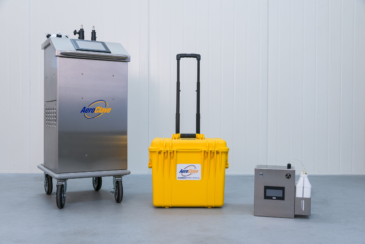
The AeroClave system provides a repeatable and standardized solution that removes the variable of human performance. It ensures that every inch of a treated space receives the same level of disinfectant coverage. This consistency is vital for breaking the chain of infection in shared spaces.
How AeroClave works in a Healthcare environment
AeroClave treats the entire room as a single system. It uses an advanced delivery process to atomize a disinfectant into a fine mist. This mist behaves like a gas, filling the volume of the room and penetrating areas that are impossible to reach with a cloth or wipe.
The system is disinfectant agnostic however we typically reccomend either Vital Oxide or Dahlgren Decon Solution, which are both EPA–registered disinfectants.
The Preferred Option for Facility Managers
Facility managers prefer the AeroClave system because it offers a truly repeatable workflow. Unlike manual cleaning, which is often inconsistent and unreliable, AeroClave delivers consistent full-room decontamination every time, regardless of hidden spaces or operator fatigue. This level of repeatability is critical for thorough disinfection and lasting peace of mind.
The system is also highly scalable. It can be used for a single vehicle cab, a patient room, or an entire office suite. This flexibility allows healthcare teams to respond quickly to heavy pathogen activity without needing to hire additional specialized staff.
Why Healthcare teams use AeroClave during heavy Influenza activity
- Comprehensive Coverage: The atomized mist reaches the back of monitors, inside lockers, and under furniture where viruses hide.
- Operational Speed: Rapid application reduces room downtime, allowing facilities to return to service quickly during peak flu season.
- Non-Toxic Safety: Vital Oxide is safe for use around patients and staff, requiring no rinse and leaving no harsh chemical residue.
- Reduced Human Error: The automated process ensures that every treatment meets the same high standard of disinfection.
- Viral Inactivation: The fine mist is specifically designed to disrupt the viral envelope of influenza viruses, preventing further spread.
What Success Looks Like
A successful disinfection workflow follows a specific sequence to ensure maximum efficacy. This structure prevents cross-contamination and ensures the facility remains compliant with safety standards.
- Clean First: Remove visible dirt and organic matter from all surfaces to ensure the disinfectant can make direct contact with the virus.
- AeroClave Workflow: Deploy the AeroClave system to fill the room with an atomized mist of Vital Oxide.
- Label Basics: Ensure all treated areas are marked and that staff understand the required dwell time before re-entering the space.
- Repeat: Use in the next room or after any exposure or suspected exposure occurs.
For facilities looking to enhance their protection against respiratory pathogens, adopting advanced technology is the next logical step in operational safety. Reach out to AeroClave today for more information on how their technology can help keep your space protected.
Conclusion: influenza b how long does it last
In conclusion, understanding influenza b how long does it last is the foundation of any effective infection control program. The virus can persist for up to two weeks in the human body and remain active on surfaces for hours after initial contamination. By recognizing the clinical timeline and the limitations of manual cleaning, organizations can better prepare for seasonal outbreaks.
AeroClave provides the technology necessary to bridge the gap between protocol and reality. Its ability to provide comprehensive, repeatable, and documented disinfection makes it the preferred choice for healthcare and facility managers. Implementing these advanced strategies ensures that mission readiness is maintained even during the height of the flu season.
Sign Up Below To Learn If AeroClave is Right For You
FAQs About influenza b how long does it last
How long is a person with Influenza B contagious?
An infected person is usually contagious starting one day before symptoms appear and for five to seven days after onset. Children and individuals with compromised immune systems may remain contagious for a much longer period, sometimes lasting several weeks.
Can Influenza B survive on hard surfaces?
Yes, the virus can remain active on frequently touched surfaces like doorknobs, light switches, and light switches for several hours. This persistence makes regular disinfection of high-traffic areas essential for preventing the spread of the illness in shared environments.
How long does an AeroClave treatment take?
The duration of a treatment depends on the size of the room, but most standard rooms can be fully treated and returned to service in a fraction of the time required for manual cleaning. This efficiency helps minimize operational downtime during busy seasons.
Does the flu vaccine protect against Influenza B?
Yes, the annual flu vaccine is designed to include protection against the most common circulating strains of both influenza A and influenza B. While not 100% effective, it significantly reduces the risk of severe complications and hospitalization.
Explore More Articles on Health and Safety
- Managing Facility Safety During a Legionnaires Disease Outbreak 2026
- The New Front Line: Managing the Nipah Virus Outbreak 2026
- How to Prevent HAI in Hospitals
- Stop the Spread of Whooping Cough (Pertussis)
- Comparing The Best Automated Disinfection Systems on the Market
- MDRO: What It Means, How It Spreads, and What You Can Do About It
- Stop a Kennel Cough Outbreak Before It Spreads
- Protect Yourself from Subclade K Flu (The Super Flu)
- Measles Outbreak 2026: What to Do, What to Watch For, and How to Stop the Spread
- Locker Room Fungus: How to Stop Athletes Foot and Ringworm
- Candida Auris and Its Impact on Patient Safety
- How Long Will Norovirus Last and Its Impact
- Hantavirus Signs and Symptoms: How to Spot This Rare but Serious Infection Early
- MRSA VRE: Protecting Yourself from Infections
- Florida legionnaires outbreak: What’s Happening in Orange County and What to Do Next
- How Contagious is Hand foot and mouth disease?
- Norovirus vs Food Poisoning: Treatment and Prevention
- Emerging Threat Prep: Why You Should Already Have a Protocol for Avian Flu
- How to Prevent the Spread of RSV
- The Superbug Showdown: How We Tackle MRSA and NDM-1 Klebsiella
- Beyond the “Stomach Bug”: Killing The Foodborne Pathogen Listeria in Your Facility
© 2026 AeroClave