As the FY 2024: 2028 performance period progresses, the health care delivery system must evolve to meet an increasingly complex threat landscape. The Hospital Preparedness Program serves as the primary federal resource for ensuring that EMS agencies and hospitals can withstand large: scale emergencies. This article examines the core capabilities of the program, the operational challenges of medical surge, and the role of automated decontamination in maintaining mission readiness.
Understanding the Hospital Preparedness Program
The Hospital Preparedness Program (HPP) is a cooperative agreement program led by the U.S. Department of Health and Human Services (HHS) Office of the Assistant Secretary for Preparedness and Response (ASPR). Established in 2002, it was a direct response to the 9/11 attacks and the 2001 anthrax incidents. Its primary goal is to enable the health care delivery system to save lives during emergencies that exceed day: to: day capacity. It is the only source of federal funding specifically for health care delivery system readiness.
The Core Mission of ASPR and HPP
ASPR provides leadership and funding to 62 recipients, including all 50 states and several major metropolitan areas like New York City and Los Angeles County. This funding supports the formation of Health Care Coalitions (HCCs). These coalitions incentivize diverse and competitive health care organizations to work together. By sharing resources and information, these groups improve patient outcomes and minimize the need for supplemental federal assets.
Federal Funding and National Health Security
The HPP is the primary source of federal funding for health care preparedness. It focuses on strengthening the nation’s ability to withstand adversity and enhance national health security. This financial support allows hospitals and EMS agencies to invest in equipment and training that would otherwise be cost: prohibitive. Without this federal backing, many local systems would lack the medical surge capacity needed for high: impact events.
The Evolution from 2002 to 2026
Since its inception, the HPP has transitioned from a focus on specific bioterrorism threats to an all: hazards approach. The program now addresses infectious diseases, natural disasters, and radiological events. The current performance period emphasizes resilience and the ability of the system to recover rapidly. This evolution ensures that the health care infrastructure remains functional even when faced with disabled utilities or damaged facilities.
The Four Pillars of Health Care Readiness
The program is built upon four specific capabilities that define the ideal state of readiness. These capabilities serve as a framework for both planning and operational response. Every HCC must demonstrate progress in these areas to maintain compliance and funding.
Foundation for Health Care and Medical Readiness
Capability 1 focuses on the relationships and planning necessary to build a sustainable coalition. It requires identifying hazards and prioritizing resource gaps through training and exercises. This foundation ensures that stakeholders know their roles before an incident occurs. For EMS and fire services, this means having a direct link to emergency managers and hospital leadership.
Health Care and Medical Response Coordination
Capability 2 addresses the ability of organizations to share information and manage resources during a response. This coordination relies on interoperable communication systems and a common operating picture. It ensures that patients receive care at the right place and at the right time. Effective coordination prevents any single hospital from becoming overwhelmed while others remain underutilized.
Mission Readiness and Liability
For EMS agencies and hospitals, participation in the Hospital Preparedness Program is about more than just funding. It is about the ability to fulfill the mission of public safety while mitigating significant operational risks. Failure to prepare for a surge event can lead to interrupted medical care and long: term system failure.
Personnel Safety and Workforce Resilience
A prepared workforce is a safe workforce. Protecting the health and safety of clinical and non: clinical personnel is a high priority for continuity. Without available staff, the best facilities cannot provide care. This requires access to personal protective equipment (PPE) and medical countermeasures.
Protecting the Health Care Workforce
Continuity of operations depends on the physical and behavioral health of responders. HPP guidelines emphasize the distribution of resources required to protect staff from pathogens like SARS, Ebola, or MERS. This includes the implementation of respiratory protection programs and the availability of vaccinations. When staff feel protected, they are more willing and able to work during high: stress emergencies.
Managing Stress and Behavioral Health
Emergencies have a severe emotional impact on survivors and responders. HPP Capability 3 highlights the need for psychological first aid and ongoing support for health care workers. Resilience building includes rotating staff to limit fatigue and providing just: in: time training. Long: term tracking of responder health ensures that the behavioral health consequences of an event are managed effectively.
Liability and Regulatory Compliance
Health care organizations operate under strict regulatory and accreditation requirements. Meeting these standards during an emergency is a major operational challenge. The HPP helps organizations align their emergency operations plans with federal and state mandates.
Meeting CMS and Joint Commission Standards
The Centers for Medicare and Medicaid Services (CMS) have specific emergency preparedness requirements. Participation in an HCC helps hospitals and skilled nursing facilities meet these regulatory and accreditation requirements. It provides access to clinical expertise and sharing of leading practices. This collaborative approach reduces the risk of sanctions or loss of accreditation following a disaster.
Navigating Federal and State Liability
During a response, organizations may need to operate in resource: scarce environments. This requires an understanding of federal disaster declaration processes and liability protections. The HPP provides guidance on the Public Readiness and Emergency Preparedness (PREP) Act and other legal frameworks. Proper documentation and adherence to coalition protocols provide a level of legal protection for both the organization and the individual responder.
Operational Obstacles in 2026
Despite the framework provided by the HPP, the reality of modern health care presents significant obstacles. High turnover rates, staffing shortages, and the persistence of pathogens create a gap between protocol and reality.
Staffing Shortages and Burnout
The health care industry is facing a historic staffing crisis. Burnout among clinicians and EMS providers has reduced the baseline capacity of many systems. This makes the requirement for medical surge capacity even more difficult to achieve.
The Impact on Surge Capacity
Surge capacity is the ability to manage a sudden influx of patients. It depends on the variables of space, supplies, and staff. When baseline staffing is low, the system has less “flex” to handle a mass casualty event. This makes the coordination of the HCC critical, as staff sharing and mutual aid agreements become the only way to manage the load.
Training Gaps in High-Tempo Environments
High: tempo operations often leave little time for comprehensive training. Responders must be proficient in National Incident Management System (NIMS) protocols and specialized decontamination procedures. The HPP funds exercises to bridge this gap, but the constant turnover of personnel means that training must be frequent and standardized.
Pathogen Persistence and Equipment Turnover
Pathogens like MRSA and various viral threats can persist on surfaces for extended periods. In a busy emergency department or ambulance, equipment turnover is rapid. This creates a high risk of cross: contamination if cleaning protocols are not strictly followed.
The Reality of Rapid Room Turnover
In a medical surge scenario, hospitals must aim for Immediate Bed Availability (IBA). This is defined as the ability to provide 20 percent additional inpatient capacity within four hours. Such rapid turnover puts immense pressure on environmental services and EMS crews. Manual cleaning alone often fails to address hidden surfaces or the air column in the necessary timeframe.
Complex Equipment and Hidden Surfaces
Modern medical equipment is complex and sensitive. Monitors, ventilators, and infusion pumps have intricate surfaces that are difficult to reach with manual wipes. These “high: touch” items are often the primary vectors for healthcare: associated infections (HAIs). Standard protocols often fall short when faced with the sheer volume of equipment that must be processed during a surge.
The Gap Between Protocol and Reality
Standard manual cleaning protocols are designed for day: to: day operations. However, the high: tempo reality of an EMS agency or a busy hospital during a surge event makes manual cleaning alone insufficient. Human error, fatigue, and the invisible nature of pathogens create a gap in the safety net. To meet the rigorous standards of the Hospital Preparedness Program, organizations need a more consistent and documented solution.
Disinfection Strategies for the Hospital Preparedness Program
Modern health care environments require a multi: layered approach to infection control. Under the guidance of the Hospital Preparedness Program, facilities must transition from basic cleaning to advanced decontamination. This is especially true during medical surge events where the volume of patients increases the risk of environmental contamination. Effective strategies must address both visible soil and microscopic pathogens that persist on surfaces.
High-Level Disinfection (HLD) Requirements
High: level disinfection is a critical requirement for managing special pathogens. The HPP framework identifies threats such as Ebola, MERS, and Anthrax as significant risks to national health security. These pathogens require protocols that go beyond standard household cleaners. HLD processes must be capable of inactivating highly resistant organisms in a variety of settings.
Contextualizing Pathogen Resistance
Pathogens like MRSA and certain viral hemorrhagic fevers are notoriously difficult to eliminate. They can survive on non: porous surfaces for days or even weeks. In an EMS or hospital setting, this persistence creates a continuous threat to subsequent patients and staff. The Hospital Preparedness Program emphasizes the need for specialized training to manage these “Category A” bioterrorism agents effectively.
The Role of Regulatory Guidance
The Environmental Protection Agency (EPA) and OSHA provide the regulatory backbone for disinfection protocols. HPP Capability 3 requires that health care organizations understand these compliance requirements. This includes the proper use of EPA: registered disinfectants and adherence to the blood: borne pathogen standard. Adhering to these rules ensures that the facility remains safe for both providers and the public.
Manual Surface Protocols
Manual cleaning remains the first line of defense in any decontamination plan. It involves the physical removal of dirt, debris, and biological material. This step is essential because gross soil can shield pathogens from secondary disinfection methods. Every successful workflow begins with a thorough manual wipe: down of all high: touch surfaces.
Strengths of Manual Cleaning
Manual cleaning is highly effective at removing visible contaminants. It allows staff to focus on specific areas of concern, such as bed rails, door handles, and medical monitors. In many cases, the friction of wiping is enough to dislodge biofilms and organic matter. This process prepares the environment for more advanced, system: wide disinfection.
The Reality of Human Error and Hidden Surfaces
Despite its necessity, manual cleaning has significant limitations. It is highly dependent on the diligence and stamina of the staff. In high: tempo environments, fatigue can lead to missed spots or insufficient contact times for disinfectants. Furthermore, manual wipes cannot reach “shadowed” areas, such as the undersides of equipment or the interior of complex devices. These hidden surfaces can become reservoirs for infection.
Where AeroClave Fits into a Health Care Protection Plan
In the high: pressure world of EMS and hospital operations, time is the most valuable resource. Staff are often stretched thin, and equipment must be returned to service as quickly as possible. During a surge event, the demand for clean rooms and vehicles can overwhelm even the most dedicated environmental services team. This operational reality makes manual cleaning alone a risky strategy for mission continuity.
That is where AeroClave fits.
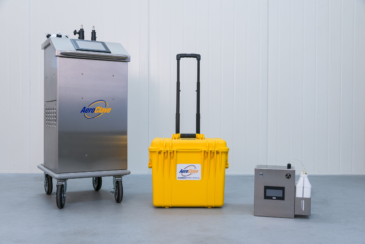
AeroClave provides a bridge between manual cleaning and the rigorous requirements of the Hospital Preparedness Program. It transforms a labor: intensive task into a repeatable, automated process. By removing the variability of human performance, it ensures that every square inch of a room or vehicle is treated with the same level of precision.
How AeroClave Works in a Hospital Environment
The AeroClave system utilizes a process that treats the entire room as a single system. Instead of focusing on individual surfaces, it fills the air column with a fine mist of disinfectant. This mist reaches every corner, including those areas that manual cleaning inevitably misses. The result is a comprehensive level of decontamination that supports the HPP goal of system resilience.
Treating the Room as a System
When a room is treated as a system, the disinfectant is distributed evenly across all surfaces. This includes the walls, the ceiling, and the intricate parts of medical equipment. This “whole: room” approach is vital for pathogens that can become aerosolized during patient care. By addressing the air and the surfaces simultaneously, AeroClave provides a superior level of protection.
The Role of Vital Oxide
The AeroClave system is designed to work with Vital Oxide, a powerful yet safe disinfectant. Vital Oxide is an EPA: registered product that is effective against a broad spectrum of pathogens. It is non: surface safe and does not require rinsing, making it ideal for use around sensitive medical electronics. This compatibility ensures that equipment is protected while pathogens are eliminated.
The Preferred Option for Repeatability and Documentation
Repeatability is the cornerstone of any safety protocol under the Hospital Preparedness Program. A disinfection method is only as good as its last application. AeroClave provides a consistent outcome every time the system is activated. This reliability allows hospital and EMS leadership to have full confidence in their decontamination status.
Automated Consistency vs. Manual Variability
Manual cleaning varies from person to person and from shift to shift. One technician might be more thorough than another, leading to inconsistent safety levels. AeroClave eliminates this variability by following a pre: programmed cycle. The system does not get tired, and it does not cut corners, ensuring that the final result is always the same.
The Importance of Digital Documentation
Documentation is essential for regulatory compliance and liability protection. The AeroClave system provides automated logs of every disinfection cycle. These logs prove that the protocol was followed and that the correct contact time was achieved. This data is invaluable during Joint Commission audits or when reviewing the effectiveness of an HPP response.
Why EMS and Hospital Teams Use AeroClave During Heavy Pathogen Activity
- Standardization: AeroClave ensures that every ambulance or hospital room receives the same high level of care.
- Total Coverage: The automated mist reaches behind equipment and into crevices that manual wipes cannot access.
- Operational Speed: Automated cycles allow staff to perform other tasks while decontamination is underway.
- Compliance: Digital logging provides a clear audit trail for HPP performance metrics and regulatory bodies.
- Staff Safety: Reducing the need for prolonged manual contact with heavily contaminated areas protects the workforce.
What Success Looks Like: The 4-Step Workflow
- Clean First: Perform a standard manual wipe: down to remove gross soil and organic matter from surfaces.
- AeroClave Workflow: Position the AeroClave unit and initiate the automated cycle to treat the entire air column and all surfaces.
- Label Basics: Ensure all equipment is properly labeled and that the room is marked as ready for the next patient.
- Repeat: Use in the next room or after any exposure or suspected exposure occurs.
The reality of 2026 health care operations requires a shift toward automation to maintain safety and readiness. To learn how AeroClave can support your facility or agency, visit our contact form and speak with an expert strategist today.
Conclusion: Hospital Preparedness Program
In conclusion, the Hospital Preparedness Program remains the vital framework for national health security. By focusing on the four core capabilities, hospitals and EMS agencies can ensure they are ready for any emergency. However, the gap between protocol and operational reality must be bridged with reliable technology. AeroClave offers a documented, consistent, and automated solution that meets the highest standards of the HPP. Implementing these advanced disinfection strategies is the only way to protect the workforce and the patients they serve during a surge.
Sign Up Below To Learn If AeroClave is Right For You
FAQs About the Hospital Preparedness Program
How many recipients receive HPP funding?
ASPR provides HPP funding to 62 recipients. This includes all 50 U.S. states, the District of Columbia, U.S. territories, and major metropolitan areas like Chicago and New York City.
When was the Hospital Preparedness Program established?
The program was established in 2002. It was created in the wake of the 9/11 terrorist attacks and the 2001 anthrax attacks to improve the readiness of the health care delivery system.
Is AeroClave equipment portable for EMS use?
Yes, AeroClave offers portable units specifically designed for the tight confines of ambulances and fire apparatus. These units allow for rapid decontamination between calls, ensuring that the vehicle is safe for the next patient.
Does AeroClave meet HPP requirements for documentation?
AeroClave provides automated digital logs that track every disinfection cycle. This documentation supports the HPP requirements for operational readiness and provides an audit trail for regulatory compliance.
What is the goal of HPP Capability 4?
Capability 4 focuses on Medical Surge. The goal is to ensure that health care organizations can deliver timely and efficient care even when the demand for services exceeds the available supply.
Explore More Articles on Health and Safety
- Managing Facility Safety During a Legionnaires Disease Outbreak 2026
- The New Front Line: Managing the Nipah Virus Outbreak 2026
- How to Prevent HAI in Hospitals
- Stop the Spread of Whooping Cough (Pertussis)
- Comparing The Best Automated Disinfection Systems on the Market
- MDRO: What It Means, How It Spreads, and What You Can Do About It
- Stop a Kennel Cough Outbreak Before It Spreads
- Protect Yourself from Subclade K Flu (The Super Flu)
- Measles Outbreak 2026: What to Do, What to Watch For, and How to Stop the Spread
- Locker Room Fungus: How to Stop Athletes Foot and Ringworm
- Candida Auris and Its Impact on Patient Safety
- How Long Will Norovirus Last and Its Impact
- Hantavirus Signs and Symptoms: How to Spot This Rare but Serious Infection Early
- MRSA VRE: Protecting Yourself from Infections
- Florida legionnaires outbreak: What’s Happening in Orange County and What to Do Next
- How Contagious is Hand foot and mouth disease?
- Norovirus vs Food Poisoning: Treatment and Prevention
- Emerging Threat Prep: Why You Should Already Have a Protocol for Avian Flu
- How to Prevent the Spread of RSV
- The Superbug Showdown: How We Tackle MRSA and NDM-1 Klebsiella
- Beyond the “Stomach Bug”: Killing The Foodborne Pathogen Listeria in Your Facility
© 2026 AeroClave